
Trump Says King's UK Visit Could Repair Relations

President Trump tells BBC that the upcoming royal visit could 'absolutely' help mend US-UK relations, discusses ties with British PM in exclusive interview.
In an exclusive phone conversation with the BBC's North America editor, President Trump expressed optimism about an upcoming visit from the British monarch, suggesting that the royal engagement could play a significant role in strengthening diplomatic ties between the United States and the United Kingdom. The president's comments came during a wide-ranging discussion that touched upon multiple aspects of the bilateral relationship and his ongoing interactions with the British Prime Minister.
When asked specifically about the potential impact of the royal visit, Trump indicated his strong belief that such a high-profile engagement could be transformative for US-UK relations. His use of the phrase "absolutely" underscored the confidence he placed in the diplomatic value of the upcoming visit. The president emphasized that such visits carry symbolic weight and demonstrate the strength of the historic partnership between the two nations, both of which share deep cultural, economic, and security bonds.
The UK-US relations have been a central focus of diplomatic discussions in recent months, with both nations seeking to reinforce their commitment to cooperation on a range of issues including trade, security, and intelligence sharing. Trump's comments suggest a desire to elevate the importance of these discussions through high-level engagement and ceremonial events that underscore the partnership's significance on the world stage.
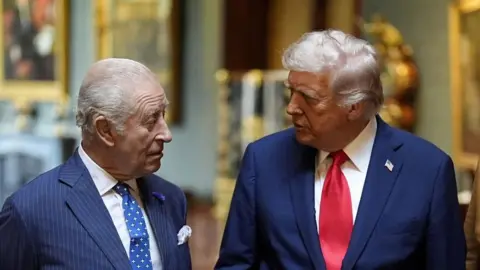
During the interview, the president also addressed his relationship with the sitting British Prime Minister, offering insights into the nature of their ongoing communications and the state of bilateral negotiations. Trump indicated that direct engagement at the highest levels of government remains a priority for his administration, particularly given the complexity of issues ranging from post-Brexit trade arrangements to joint military operations and intelligence coordination.
The timing of these remarks is particularly significant given the diplomatic protocol traditionally associated with royal visits to the United States. Such visits are carefully orchestrated affairs that typically involve state dinners, formal ceremonies, and extensive media coverage, all of which serve to reinforce public perception of the strength of relations between nations. Trump's proactive comments about the visit suggest that his administration is viewing the event as an opportunity to reshape narratives around US-UK ties.
The transatlantic partnership has undergone various shifts in recent years, influenced by changing political dynamics in both countries, evolving security threats, and shifting global economic conditions. Both the United States and the United Kingdom have articulated their commitment to strengthening these bonds, recognizing that their historical alliance remains strategically important in an increasingly complex international environment.

Trump's optimism about the potential outcomes of the visit reflects a broader diplomatic strategy aimed at reinforcing personal relationships between world leaders and heads of state. Presidential administrations have long understood that official state visits serve purposes beyond ceremonial functions—they provide opportunities to discuss substantive issues, negotiate agreements, and demonstrate public commitment to alliances that are fundamental to national security and economic interests.
The bilateral trade negotiations between the US and UK have been a particularly contentious area, with both nations seeking favorable terms while managing the complexities of post-Brexit economic arrangements. Trump's administration has previously indicated its interest in pursuing comprehensive trade deals with Britain, and such high-level diplomatic engagement provides forums for advancing these discussions in more structured settings.
Intelligence sharing and security cooperation represent another critical dimension of the US-UK relationship. Both nations are members of the "Five Eyes" intelligence alliance, which includes Australia, Canada, and New Zealand, and both face similar security challenges in an era of persistent terrorism threats, cyber warfare, and great power competition. Trump's recognition of the importance of strengthening these ties underscores the administration's focus on security matters.
The president's remarks during the BBC interview also reflect a broader pattern of Trump's approach to international relations, which emphasizes personal diplomacy and direct communication between leaders. This style contrasts with more traditional diplomatic protocols that rely heavily on career diplomats and established channels of communication. Trump has consistently advocated for what he terms "direct" relationships with world leaders, believing that personal connections can facilitate more efficient problem-solving and negotiation.
The upcoming royal visit is expected to include a range of formal and informal activities designed to strengthen the cultural and diplomatic bonds between the two nations. Such visits traditionally feature state banquets, ceremonial events, and opportunities for substantive discussions on matters of mutual concern. The presidential diplomacy approach embraced by Trump suggests his administration will seek to maximize these opportunities.
Looking ahead, observers of international relations will be watching carefully to see whether the optimism expressed by Trump regarding the royal visit translates into concrete diplomatic achievements. Success in strengthening US-UK relations could have ripple effects throughout the Western alliance, potentially shaping how other nations perceive the strength and viability of longstanding partnerships that have been pillars of the post-World War II international order.
The BBC interview represents an important moment in ongoing US foreign policy discussions, particularly regarding how the Trump administration prioritizes relationships with longstanding allies. The president's willingness to engage directly with major media outlets to discuss these issues demonstrates the importance his administration places on shaping public perception of international relations. Such transparency, when it occurs, provides valuable insight into the administration's strategic thinking and priorities.
In conclusion, Trump's comments to the BBC regarding the potential impact of the royal visit on US-UK relations reflect a strategic understanding of the importance of high-level diplomatic engagement and ceremonial events in international relations. Whether through formal state visits, direct communication between leaders, or other mechanisms of diplomatic engagement, both the United States and the United Kingdom appear committed to reinforcing a partnership that has proven resilient across multiple generations and through numerous geopolitical challenges. The coming weeks will provide opportunities to observe how these diplomatic efforts develop and what concrete outcomes they may produce for both nations.
Source: BBC News


