
Trump Tariff Refunds Are Now Processing

US government is actively processing tariff refunds for businesses. Learn how to claim your share of the $166 billion in refunded tariff fees.
Following a landmark Supreme Court decision that invalidated Trump's tariffs, the federal government has begun the process of returning billions of dollars to American businesses. What many small importers initially feared would become a years-long bureaucratic nightmare is now becoming reality, as the U.S. government actively processes refunds for companies that paid tariff fees under the controversial policy.
The scale of this financial recovery effort is substantial. Approximately 330,000 importers across the United States paid over $166 billion in tariff fees that were originally imposed under the International Emergency Economic Powers Act (IEEPA). This landmark Supreme Court ruling has opened the door for these businesses to reclaim their money, though the process requires careful attention to procedural requirements and submission deadlines.
Business owners should understand that while the refund process is moving forward, it does require navigation through government paperwork and administrative procedures. However, the good news is that these refunds are not getting lost in endless red tape as many had predicted. The government has established clear processes and timelines for businesses to submit their claims and receive their refunds.
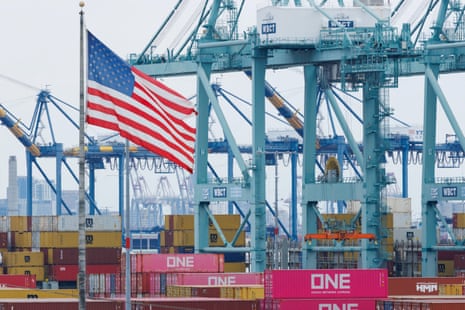
The IEEPA tariff policy created significant financial burdens for American importers, particularly small and medium-sized businesses that lacked the resources to absorb the additional costs. These tariffs affected virtually every sector of the economy, from manufacturing to retail, adding unexpected expenses to companies already managing tight profit margins. The Supreme Court's decision to strike down these tariffs was celebrated by the business community as a major victory for economic stability and predictability.
Understanding the refund eligibility criteria is crucial for businesses seeking to recover their tariff payments. The government has established specific guidelines regarding which imports qualify for refunds and what documentation is required to support claims. Companies that paid tariffs on goods imported under the IEEPA authority should begin gathering their customs records, invoices, and payment receipts now to prepare for submission.
The refund timeline, while faster than initially expected, still requires patience and diligence from business owners. The government is processing claims in phases, with priority given to businesses that submit complete applications with all required documentation. This staged approach allows federal agencies to verify claims systematically while ensuring that legitimate businesses receive their refunds promptly.
Many industry associations have begun providing guidance to their members on how to navigate the tariff refund application process. These organizations are offering resources, templates, and expert advice to help businesses understand their eligibility and prepare comprehensive refund claims. The level of support from industry groups reflects the widespread impact of the tariffs and the importance of this recovery opportunity for American businesses.
For companies that paid substantial tariff amounts, this refund represents a significant financial recovery that can be reinvested in business operations, employee benefits, or research and development. Some businesses are already planning how to allocate these recovered funds to strengthen their financial positions and support growth initiatives. The refunded capital could prove transformative for smaller importers that were particularly hard hit by the tariff burden.
The Supreme Court's decision fundamentally changed the regulatory landscape for U.S. import tariffs and international trade policy. By striking down Trump's tariff authority under the IEEPA, the court reasserted constitutional limits on executive power and established important precedent for future trade disputes. This decision has already prompted discussions about the proper mechanisms for implementing tariff policies and the checks and balances that should govern such economically significant decisions.
Businesses should not delay in preparing their refund applications, as early submission can accelerate the review and approval process. The federal government has indicated that it will continue processing claims throughout the fiscal year, but submitting applications promptly ensures that businesses don't miss important deadlines or fall behind in the processing queue. Companies that organized their records proactively will find the application process significantly less burdensome.
The broader implications of these tariff refunds extend beyond individual businesses to the overall health of the U.S. economy. The return of $166 billion to the business community will stimulate economic activity, support job creation, and improve business confidence in government decision-making. This injection of capital into the private sector comes at a time when businesses are carefully evaluating their growth prospects and investment strategies.
Industry experts are emphasizing that businesses should work with customs brokers, accountants, or trade attorneys who specialize in tariff matters to ensure their claims are properly documented and submitted. These professionals can help identify all qualifying imports, calculate accurate refund amounts, and present compelling documentation to government reviewers. While this professional guidance represents an additional cost, it often results in faster approvals and larger recovered amounts.
The transparency and relative speed of this tariff refund program demonstrates that government agencies are committed to efficiently returning funds to the business community. The establishment of clear procedures, regular status updates, and accessible application processes reflects an understanding that delays in refund processing create ongoing hardship for businesses. This efficiency stands in stark contrast to many government reimbursement programs that often take years to process claims.
As businesses move forward with submitting their refund claims, they should keep detailed records of all submissions and communications with government agencies. This documentation will be valuable if questions arise about specific claims or if follow-up information is needed to expedite processing. Additionally, businesses should monitor government websites and industry association communications for updates on the program's progress and any changes to procedures or deadlines.
The opportunity to recover tariff payments represents a critical financial recovery window for affected businesses. Companies that take advantage of this refund program will strengthen their balance sheets and improve their competitive positions. By acting promptly and thoroughly documenting their claims, business owners can ensure they receive the full refund amounts they're entitled to under the Supreme Court's decision and federal refund guidelines.
Source: The Guardian


