
Trump Threatens Iran With Destruction Over Strait of Hormuz

Trump warns Iran will be 'blown off the face of the earth' if it attacks US vessels. The US launches operation to free trapped ships in the Gulf amid escalating tensions.
As tensions in the Middle East reach a critical juncture, President Trump has made a stark and unequivocal warning to Iran, declaring that the nation will be "blown off the face of the earth" if it launches attacks against American vessels attempting to navigate through one of the world's most vital shipping corridors. This aggressive rhetoric marks a significant escalation in the already volatile relationship between the United States and Iran, threatening to push the region to the precipice of a larger military conflict.
In response to mounting challenges in the Persian Gulf region, the United States military initiated a comprehensive operation on Monday designed to address an unprecedented humanitarian and logistical crisis. Hundreds of commercial vessels, carrying essential cargo and supplies while employing thousands of crew members from around the globe, have become stranded in the Gulf waters. This situation represents a critical test of American naval power and diplomatic resolve in one of the world's most strategically important waterways.
The Strait of Hormuz, a narrow passage of water connecting the Persian Gulf to the Gulf of Oman, serves as a critical chokepoint for global energy markets and international commerce. Approximately one-third of all seaborne traded oil passes through this strategic waterway each day, making any disruption to shipping lanes a matter of profound economic and geopolitical significance. The current crisis threatens to disrupt global supply chains and could have far-reaching consequences for economies worldwide.
The blocked shipping route has created an unprecedented backlog of vessels waiting to transit through the Strait, with crews aboard facing uncertain conditions and dwindling supplies. The situation has evolved into both a humanitarian concern for the seafarers trapped aboard these ships and a critical US national security issue. Military planners have been working around the clock to develop and execute strategies to reestablish safe passage through these contested waters.
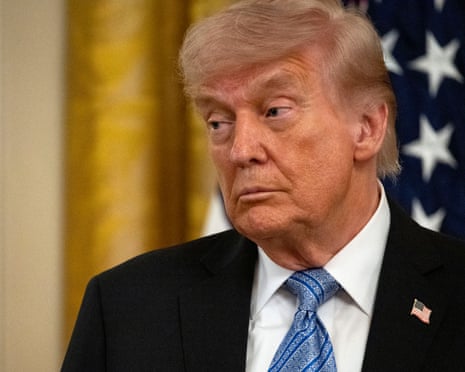
Trump's military strategy appears designed to signal unwavering American commitment to maintaining freedom of navigation and protecting commercial interests in the region. The explicit threat against Iran serves multiple purposes: it demonstrates resolve to allies in the Gulf, sends a deterrent message to adversaries, and establishes clear red lines regarding further Iranian interference with international shipping. However, such inflammatory rhetoric also carries significant risks of miscalculation and unintended escalation.
The underlying dispute reflects broader tensions between Washington and Tehran that have accumulated over years of complex geopolitical maneuvering. Iran's regional influence has expanded in recent years through various proxy forces and military capabilities, while the United States has maintained a substantial military presence throughout the Gulf region. The current crisis over shipping routes represents merely the most visible manifestation of these deeper strategic rivalries.
The American operational response involves deploying naval assets, coordinating with regional partners, and establishing secure corridors for merchant vessels. US Navy operations in the area include escort missions, surveillance activities, and the positioning of vessels to protect commercial shipping. These military actions underscore Washington's determination to prevent any single nation from holding global commerce hostage through control of critical maritime passages.
International stakeholders have expressed deep concern about the escalating rhetoric and military posturing in the region. European nations, Asian economies, and major trading partners have all emphasized the need for diplomatic solutions to restore stability and ensure unimpeded access to crucial shipping lanes. The global economy's dependence on these routes means that any sustained disruption could trigger widespread economic consequences.
The humanitarian dimension of this crisis cannot be overlooked, as thousands of seafarers aboard stranded vessels face challenging conditions while awaiting resolution. Many crew members are separated from their families and operating under heightened stress due to the security situation. International maritime organizations have called for safe passage guarantees and humanitarian corridors to allow crew rotation and supply deliveries.
Analysts and regional experts have warned that Middle East military escalation could spiral beyond current parameters if communication channels between the United States and Iran deteriorate further. History demonstrates that miscalculations and unintended incidents can rapidly transform regional conflicts into larger confrontations. The current situation demands careful management and clear lines of communication between all parties to prevent catastrophic outcomes.
The broader context of Iran-US relations includes previous periods of tension, sanctions regimes, nuclear negotiations, and shifts in diplomatic approaches. The current administration's approach reflects a more confrontational stance compared to previous administrations' attempts at negotiated agreements. This fundamental difference in approach has profound implications for the direction of regional stability and international relations.
Military analysts have assessed the operational capabilities on both sides and noted that while American forces possess superior conventional military power, any large-scale conflict would create unpredictable outcomes with global implications. The potential for cascading effects—including oil price spikes, currency fluctuations, and broader regional destabilization—looms large if the situation deteriorates significantly.
The response from international partners and allies has been mixed, with some nations strongly supporting American efforts to maintain freedom of navigation, while others urge restraint and pursue diplomatic channels. This divergence reflects different geopolitical priorities and historical relationships with various actors in the region. Building consensus on the best approach forward presents a significant diplomatic challenge.
As the situation continues to develop, the focus remains on whether military presence and explicit threats can achieve de-escalation or whether such approaches will further entrench positions and increase the probability of armed conflict. The coming days and weeks will be critical in determining whether this regional crisis moves toward resolution or further deterioration. Both policymakers and international observers are closely monitoring developments, recognizing that the stakes extend far beyond the immediate region.
Source: The Guardian

