
Trump Threatens Major Troop Cuts from Germany

Trump escalates tensions with Europe by threatening additional US military withdrawals from Germany beyond the announced 5,000 soldiers, raising concerns among allies.
In a dramatic escalation of military policy decisions, Donald Trump has intensified concerns among European allies and members of his own political party by threatening substantial additional withdrawals of US troops from Germany. This announcement comes just days after the administration shocked the international community by disclosing plans to remove 5,000 American soldiers from German soil, a move that triggered immediate diplomatic tension and raised questions about long-standing transatlantic security commitments.
The initial withdrawal announcement last week represented a significant shift in US military strategy in Europe, particularly following comments from German leadership expressing frustration with American foreign policy. The announcement left approximately 30,000 US military personnel currently stationed throughout Germany, according to multiple security analysis sources. However, the Trump administration's subsequent threats to reduce troop presence even further have created substantial concern among NATO partners and defense experts who view the US military presence as critical to European stability and deterrence against potential Russian aggression.
During remarks to reporters on Saturday, Trump made his intentions unmistakably clear regarding future military force reductions. "We are going to cut way down, and we're cutting a lot further than 5,000," the president declared, signaling that the announced withdrawal was merely the opening phase of a more comprehensive restructuring of American military commitments in the region. This statement sent shockwaves through diplomatic circles and prompted immediate responses from both European governments and senior members of Congress who questioned the wisdom and timing of such dramatic defense policy changes.
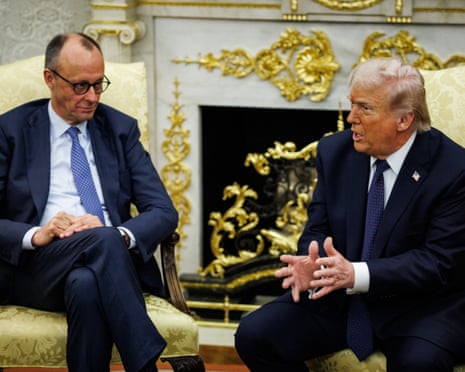
The controversy intensified when German Chancellor Angela Merkel's recent comments suggested that the United States was being disadvantaged by Iran in regional geopolitical affairs, comments that appeared to influence Trump's decision-making regarding troop deployments. These remarks highlighted the growing disconnect between US and European strategic priorities, with different nations emphasizing varying threats and security challenges. The German leader's characterization of American foreign policy struggles appeared to resonate with Trump's broader skepticism about the benefits of maintaining extensive military presence in Europe, leading to what experts describe as an unprecedented challenge to post-World War II defense architecture.
The threat to withdraw additional forces from Germany represents a fundamental recalibration of NATO commitments and raises serious questions about the future of the transatlantic alliance. Congressional Republicans, despite generally supporting Trump's policy initiatives, expressed notable concern about the rapid pace and scope of the proposed troop reductions. Defense analysts warn that such withdrawals could compromise the ability to respond to potential regional crises and could signal weakness to adversaries monitoring American strategic reliability in Europe and beyond.
Military strategists point out that Germany hosts one of the largest American military installations outside the continental United States, serving as a crucial hub for US operations throughout Europe, the Middle East, and Africa. The bases and infrastructure in Germany represent decades of investment in alliance relationships and provide essential support for NATO operations and defense initiatives. Any significant reduction in this footprint could disrupt long-established supply chains, training programs, and coordination mechanisms that underpin broader American military capabilities across multiple regions and strategic theaters.
Senior Republican members of Congress conveyed their apprehension regarding the troop withdrawal strategy, expressing concern that such moves could undermine American credibility with long-standing allies. They emphasized the importance of maintaining strong military presence in Europe as a counterbalance to Russian military activities and territorial ambitions. The senators and representatives who voiced concerns represented a significant segment of the GOP defense establishment, suggesting that Trump's approach had sparked genuine anxiety about alliance cohesion and strategic wisdom among experienced defense policymakers.
European leaders convened emergency diplomatic meetings to discuss the implications of Trump's stated intentions for future military reductions. The potential withdrawal of additional thousands of troops would further strain already complicated relationships between Washington and key European capitals, particularly Germany, which hosts the largest concentration of American forces on the continent. Diplomats expressed concern that such unilateral action, taken without adequate consultation with NATO partners, could damage the institutional trust that has underpinned European security for more than seven decades and represented the foundation of Western defense strategy during the Cold War and beyond.
The announcement also raised questions about the Trump administration's broader strategic vision for American military presence globally. Critics argued that the withdrawal represented short-term thinking that failed to account for long-term geopolitical consequences and the complex security challenges facing Western democracies in an increasingly unstable international environment. The administration's emphasis on reducing foreign military commitments reflected a "America First" philosophy that prioritizes domestic spending and reduces international military involvement, but defense experts questioned whether such policies adequately address emerging security threats and maintain necessary alliance partnerships.
The timing of Trump's threat to withdraw additional forces from Germany proved particularly significant given ongoing negotiations between Washington and European governments regarding defense spending and alliance burden-sharing. Many European nations had recently increased military budgets and defense investments in response to perceived Russian threats, moves that were partially motivated by American pressure for greater allied contributions. The threat of further American military withdrawals complicated these diplomatic efforts and created uncertainty about American commitment to collective defense responsibilities outlined in the NATO charter.
Defense analysts and foreign policy experts offered varied assessments of the long-term implications of reducing the American military footprint in Germany and Europe more broadly. Some argued that Trump's approach reflected legitimate concerns about the costs of maintaining extensive overseas military presence and the need to recalibrate American strategic priorities. Others warned that such withdrawals would significantly weaken deterrence against Russian aggression, undermine NATO cohesion, and signal to adversaries worldwide that American security commitments could be unilaterally reversed based on changing political winds in Washington.
The Germany military withdrawal controversy highlighted deeper tensions within American foreign policy regarding the proper balance between maintaining international alliances and reducing overseas military commitments. As the Trump administration continued developing its defense strategy, European governments prepared for the possibility of substantial reductions in American military presence, a development that would require significant adjustments to continental defense planning and strategic calculations regarding regional security.
Looking forward, the situation remained fluid as diplomatic negotiations continued between Washington and key European capitals. The ultimate scope of any military withdrawals from Germany would likely depend on the outcome of these discussions and Trump's evolving assessment of American strategic interests in Europe. What remained clear was that the president's stated intentions had fundamentally altered the nature of transatlantic security discussions and raised urgent questions about the future trajectory of the alliance that had provided the foundation for European peace and American security for generations.
Source: The Guardian


