
Trump-Xi Beijing Summit Ends Without Trade Deal

Trump and Xi Jinping met in Beijing amid ceremonial fanfare, but failed to reach a comprehensive trade agreement. Talks continue between the two superpowers.
The highly anticipated summit between U.S. President Donald Trump and Chinese President Xi Jinping in Beijing concluded without producing a major breakthrough in trade negotiations, despite weeks of speculation about potential agreements. While both leaders participated in an elaborate series of formal ceremonies and diplomatic protocols, substantive progress on the trade issues that have strained U.S.-China relations remained elusive during their face-to-face discussions.
The meeting represented a significant moment in global diplomacy, bringing together the leaders of the world's two largest economies for direct talks aimed at resolving mounting trade tensions and tariff disputes. However, observers noted that the pageantry surrounding the visit seemed to overshadow any concrete commitments or agreements that might have emerged from the negotiations. The carefully choreographed nature of the proceedings suggested that both sides were focused on maintaining diplomatic decorum rather than rushing toward a comprehensive trade settlement.
Throughout the summit, both Trump and Xi engaged in extensive bilateral discussions covering a range of economic and political issues. The conversations touched on intellectual property rights, technology transfers, and the bilateral trade deficit that has remained a central point of contention between Washington and Beijing. Despite these detailed talks, neither delegation announced any major new trade agreements or significant policy shifts that would fundamentally alter the trade landscape between the two nations.
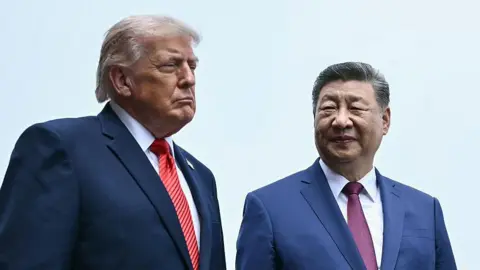
The lack of a binding trade deal at the conclusion of the summit surprised some observers who had anticipated that direct talks between the presidents might yield tangible results. Trade analysts had speculated that both sides might seek to resolve key disagreements, particularly regarding American concerns about unfair trade practices and intellectual property theft. However, the complexity of the issues at stake and the entrenched positions of both governments made rapid progress difficult to achieve.
The ceremonial aspects of the visit included state banquets, cultural performances, and formal state functions that underscored the diplomatic significance of the meeting. These elaborate rituals, while important for maintaining diplomatic relations, consumed considerable time during the summit schedule. Some commentators suggested that the focus on ceremony may have limited the amount of substantive negotiating time available to the delegations tasked with hammering out specific trade provisions.
Both the American and Chinese delegations brought teams of trade experts, economists, and negotiators to the Beijing summit. These officials participated in parallel discussions focused on specific trade issues and potential areas of compromise. Despite their expertise and preparation, the fundamental disagreements between the two nations on key economic matters proved difficult to bridge during the limited timeframe of the summit.
The U.S.-China trade relationship has been marked by escalating tensions over the past several years, with disputes involving tariffs, market access, and technology competition dominating discussions between the two governments. Trump's administration had made addressing what it viewed as unfair trade practices by China a central priority of its economic policy. The Beijing summit represented an opportunity to potentially resolve some of these longstanding disputes through high-level diplomatic engagement.
Industry groups and business leaders on both sides of the Pacific had closely monitored the summit, hoping that a trade agreement might provide clarity and stability for companies operating across the U.S.-China divide. Without a comprehensive deal, uncertainty continues to affect investment decisions, supply chain planning, and commercial relationships between American and Chinese enterprises. The business community's reaction to the inconclusive outcome reflected disappointment that the summit had not produced the economic certainty that many had anticipated.
The failure to reach agreement at the summit does not necessarily signal a complete breakdown in negotiations, according to diplomatic analysts. Rather, ongoing trade talks are expected to continue through official channels and working groups established by both governments. These lower-level discussions will likely focus on specific trade issues and work toward finding areas of mutual agreement that could eventually form the basis for future larger accords.
The summit highlighted the complex nature of modern international trade relations, where resolving disputes requires careful navigation of multiple competing interests. Both the United States and China must balance their own domestic political considerations with the need to maintain stable economic relations. The lack of a breakthrough at the Beijing summit suggests that finding common ground on these issues remains a formidable challenge requiring sustained diplomatic effort.
Looking ahead, both governments have indicated their commitment to continued trade dialogue and negotiation. The Trump and Xi meeting, while not producing immediate results, did establish a framework for future discussions and demonstrated the willingness of both sides to engage in direct talks at the highest level. Whether these ongoing negotiations will eventually yield a comprehensive trade agreement remains to be seen, but the summit at least served to reinforce the importance that both superpowers place on maintaining regular diplomatic communication.
The Beijing summit serves as a reminder that resolving major international trade disputes requires time, patience, and a willingness to make compromises. The elaborate ceremonies and formal protocols observed during the visit reflect the gravity with which both governments view their relationship and their desire to maintain diplomatic channels. Even without a breakthrough trade deal, the summit may ultimately prove valuable for keeping lines of communication open between Washington and Beijing during a period of significant economic and geopolitical tension.
Source: BBC News


