
Trump-Xi Beijing Summit: What Really Got Done?

Trump claims breakthrough at China summit but offers scant details. Analysis of what was actually achieved in historic Beijing meeting.
Donald Trump's landmark visit to Beijing marked a significant moment in US-China relations, representing the first presidential trip to the Chinese capital in nearly a decade. The high-stakes summit generated considerable international attention, with observers and policymakers worldwide eager to understand what concrete outcomes would emerge from the talks between the American president and Chinese leader Xi Jinping. However, as the dust settled on this carefully orchestrated diplomatic engagement, questions remained about the substantive achievements of the meeting.
During a Friday press conference, Trump declared that he and Xi had "settled a lot of different problems that other people wouldn't have been able to solve." The president's characterization suggested major progress on critical issues facing both nations. Yet despite these optimistic claims, Trump conspicuously avoided detailing which specific problems were addressed or what concrete solutions had been implemented. This lack of transparency fueled speculation about whether the summit represented genuine diplomatic breakthroughs or served primarily as a symbolic gesture meant to ease bilateral tensions between Washington and Beijing.
The summit's structure and optics appeared carefully designed to project cooperation and mutual respect. Xi received Trump with full ceremonial honors, and the two leaders engaged in extended private discussions alongside formal bilateral meetings. State media in both countries highlighted the respectful tone of the exchanges, suggesting a thaw in the relationship that had grown increasingly contentious over trade, technology, and geopolitical influence. The carefully choreographed nature of the summit, however, raised questions about whether style had triumphed over substance.

Analysis of the summit outcomes requires examining the broader context of Trump-Xi diplomacy and the complex issues dividing the two superpowers. Trade disputes, which had intensified under previous administrations and continued to simmer despite various negotiations, remained a critical point of contention. Intellectual property concerns, market access barriers, and structural economic imbalances had proven stubbornly resistant to resolution in previous negotiations. Whether Trump's visit had produced any meaningful progress on these longstanding trade irritants remained unclear from the official statements issued.
Technology and strategic competition represented another crucial arena where the two nations clashed. The race for dominance in semiconductors, artificial intelligence, and other cutting-edge fields had become increasingly contentious, with both Washington and Beijing implementing restrictions aimed at limiting the other's technological advancement. The Trump administration had been particularly aggressive in pursuing policies to constrain China's technological capabilities, including export controls and restrictions on Chinese companies' access to advanced American technology. No announcements emerged indicating these tensions had been meaningfully addressed during the summit.
Geopolitical tensions in Asia-Pacific regions also loomed large over the discussions. Issues including Taiwan's status, South China Sea disputes, and competing influence in the region remained potential flashpoints. The summit presentations suggested diplomatic engagement on these matters, but provided scant evidence of substantive compromises or agreements that would fundamentally alter the competitive dynamics in the region. Both nations continued to view regional influence as essential to their respective security and strategic interests.
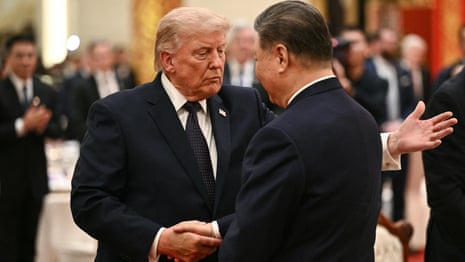
Expert observers noted that the summit's true value might lie not in specific agreements but in what diplomatic circles call "confidence-building measures." Direct communication between the world's two largest economies carries inherent importance, even when specific accords prove elusive. The continuation of dialogue itself, after periods of heightened tension and recrimination, could be viewed as an achievement worth noting. However, this interpretation required accepting a lower threshold for success than the rhetoric surrounding the summit had initially suggested.
The role of strategic communication in shaping perceptions of the summit cannot be overlooked. Both the Trump administration and the Chinese government had incentives to portray the visit positively to their respective domestic audiences and international partners. In Trump's case, demonstrating his capacity to negotiate with China aligned with his broader foreign policy narrative about achieving deals others couldn't. For Xi, projecting confidence and strength while maintaining China's position as a major power served important domestic political purposes.
Questions emerged about specific sectors where progress might have occurred. Energy cooperation, infrastructure development, and scientific collaboration had been mentioned as potential areas of mutual interest. Some observers speculated that discussions on these fronts might have yielded preliminary understandings or agreements to deepen engagement. However, the absence of detailed announcements left room for skepticism about whether substantive commitments had actually materialized or whether discussions remained largely exploratory.
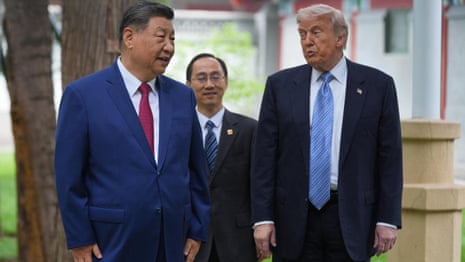
The summit's timing and context added additional layers of complexity to assessing its significance. International developments, including ongoing regional conflicts and shifting global economic conditions, had created pressure on both nations to demonstrate responsible management of their relationship. Whether the summit represented a genuine commitment to reducing geopolitical friction or merely temporary theater for international consumption remained a subject of considerable debate among foreign policy experts.
Moving forward, the real test of the summit's achievements would emerge in subsequent weeks and months. Concrete implementation of any agreements or understandings reached in Beijing would reveal whether Trump's optimistic proclamations reflected genuine breakthroughs or simply reflected diplomatic courtesy. Future negotiations on trade, technology, and security matters would demonstrate whether the summit had fundamentally altered the trajectory of US-China competition or merely provided a brief respite from heightened tensions.
The absence of detailed outcome documents or publicly disclosed agreements distinguished this summit from many previous high-level diplomatic engagements. Typically, major summits conclude with joint communiques outlining agreed-upon principles or specific commitments. The lack of such documentation at this summit raised questions about whether substantive progress had actually been achieved or whether the gathering had been primarily ceremonial. Administration officials suggested that many discussions remained confidential and would unfold through diplomatic channels rather than public announcements.
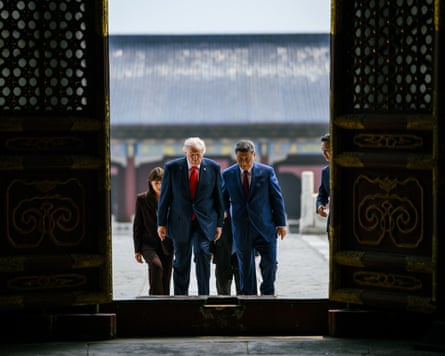
The Trump administration's historical approach to such summits emphasized personal relationships and direct negotiations between leaders, sometimes at the expense of formal institutional mechanisms. This approach had produced mixed results in previous foreign policy engagements, with some initiatives delivering concrete outcomes while others proved ephemeral. Whether this summit represented a successful application of Trump's negotiating philosophy or another instance where personal rapport failed to translate into lasting agreements remained to be determined.
In conclusion, Trump's Beijing summit concluded as diplomatically significant but substantively opaque. While the president claimed substantial achievements in resolving international problems, the lack of detailed disclosures prevented comprehensive assessment of actual accomplishments. The summit demonstrated that high-level engagement between Washington and Beijing remained possible and potentially valuable, but whether it had genuinely altered the competitive and contentious nature of bilateral relations would only become clear through subsequent developments in their multifaceted relationship.
Source: The Guardian


