
Trump-Xi Summit: Iran Peace Deal Talks Stall

Trump and Xi claim alignment on Iran conflict resolution during Beijing summit, but concrete agreement remains out of reach as talks conclude.
During the concluding moments of his high-stakes diplomatic visit to China, US President Donald Trump asserted that Washington and Beijing share remarkably similar views on ending the Iran war, though he conspicuously refrained from disclosing specifics about any potential breakthrough agreement. The carefully choreographed statement came as Trump stood alongside Chinese President Xi Jinping in the serene gardens of Zhongnanhai, the seat of Chinese political power, during what represents a critical moment in US-China relations.
The bilateral summit, which stretched across two intensive days of negotiations, has become a focal point for international observers attempting to gauge the trajectory of global geopolitics and regional stability. Trump's measured comments about Iran suggest that while both superpowers recognize the urgency of addressing the conflict, translating that recognition into concrete diplomatic action remains fraught with challenges. The absence of detailed announcements left analysts questioning whether the leaders had genuinely found common ground or were simply maintaining diplomatic niceties.
China's official position throughout the summit has emphasized the necessity for a comprehensive ceasefire agreement in Iran and the critical reopening of vital seaways that have been disrupted by regional tensions. These demands reflect Beijing's substantial economic interests in Middle Eastern stability, particularly given China's reliance on uninterrupted energy supplies and its ambitious Belt and Road Initiative projects. The nation's emphasis on maritime security underscores how deeply interconnected global trade and regional conflicts have become in the contemporary geopolitical landscape.
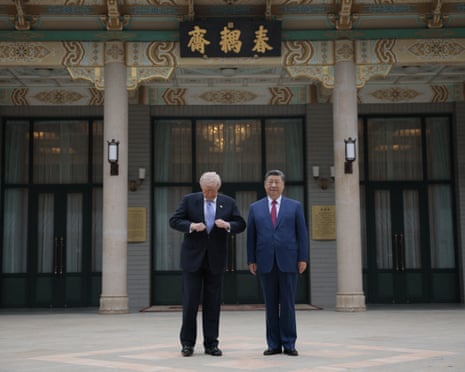
Trump's diplomatic approach during the Beijing visit has been characterized by a particular brand of pragmatism that attempts to bridge significant ideological and strategic differences between the two nations. His willingness to engage directly with Xi on the Iran question represents a notable shift from his earlier administration's more confrontational stance toward Beijing. The current dynamic suggests that both leaders recognize the potential benefits of US-China cooperation on Middle East policy, even as they maintain fundamentally competing interests in numerous other domains.
The Iran conflict resolution discussions emerged as perhaps the most substantive topic during the leaders' formal interactions, overshadowing even trade tensions and technology disputes that typically dominate US-China bilateral agendas. This prioritization reflects the growing international consensus that the destabilization cascading from the Iran situation poses existential threats to global economic stability and peace. The willingness of both nations to address this issue signals recognition that some problems transcend national boundaries and ideological rivalry.
Throughout the summit, Trump repeatedly emphasized what he characterized as unexpectedly aligned perspectives between the US and China on various geopolitical challenges. However, the lack of accompanying details or formal agreements has prompted skepticism among diplomatic observers about whether these stated alignments translate into actionable policies. The tendency toward vague pronouncements has become something of a trademark in Trump's diplomatic style, sometimes generating confusion about actual commitments versus rhetorical positioning.
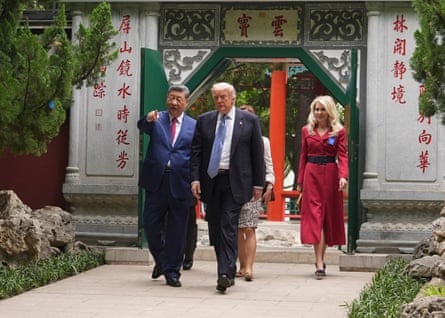
The timing of this summit carries considerable weight, occurring at a juncture when global tensions remain elevated across multiple flashpoints. Trump's assertion that both nations "feel very similar" about the Iran question, while lacking specificity, may indicate that back-channel negotiations have progressed further than public statements suggest. Diplomatic protocol often requires cautious language when significant breakthroughs are being negotiated, as premature announcements risk derailing delicate agreements still being finalized.
China's insistence on the reopening of seaways demonstrates Beijing's acute awareness that maritime chokepoints represent critical vulnerabilities for its economy. The Strait of Hormuz and related waterways carry an estimated one-third of global seaborne trade, making their security paramount for international commerce. China's historical emphasis on securing its maritime routes through diplomatic agreements and strategic partnerships reflects lessons learned from centuries of engagement with global trade networks.
The Trump-Xi bilateral discussions on Iran must also be understood within the broader context of how both nations approach Middle Eastern geopolitics. Trump's administration has maintained a distinctly pro-Israel stance, while China has sought to position itself as a neutral broker capable of engaging with all regional parties. These fundamentally different orientations create inherent tensions in coordinating policy, making any genuine accord on Iran extraordinarily complex to achieve and execute.
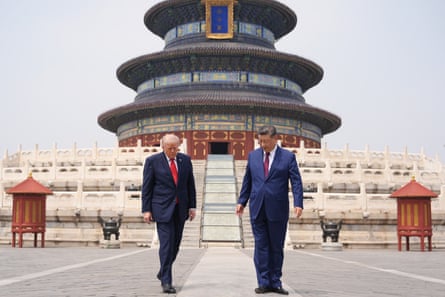
The conclusion of the Beijing summit without announced major breakthroughs on the Iran question may actually be typical of how such high-level diplomacy operates in contemporary geopolitics. Major agreements often emerge through months of subsequent negotiations conducted by lower-level officials and technical specialists, with summits serving primarily as venues for establishing overarching principles and political direction. Trump and Xi's statements about alignment may represent seeds planted for future diplomatic harvest, even if immediate results appear elusive.
Looking ahead, the trajectory of US-China cooperation on regional stability will likely determine whether this summit proves to have been a turning point in bilateral relations. The willingness of both leaders to engage substantively on Middle Eastern issues, rather than simply trading accusations, suggests that pragmatic cooperation may be possible even amid deep strategic competition. This nuanced approach to great power relations reflects evolving realities of interdependent global systems that cannot be easily compartmentalized into zones of pure conflict or cooperation.
As Trump's China visit concludes, observers will scrutinize subsequent developments for evidence of whether the leaders' expressed alignment translates into concrete policy initiatives. The test of diplomatic success often comes not in the rhetoric of summits but in the implementation of agreements that follow, requiring sustained political will from both nations over extended timeframes. The coming months will reveal whether the Trump-Xi discussions about Iran plant seeds for meaningful international cooperation or represent merely another cycle of diplomatic theater.
Source: The Guardian


