
TSMC Powers AI Boom with Massive Wind Energy Deal

TSMC signs 30-year agreement for offshore wind power as Taiwan faces energy demands from surging AI chip production and global energy crisis.
TSMC, the world's leading semiconductor manufacturer, is leveraging renewable energy solutions to address Taiwan's growing power demands as the artificial intelligence revolution continues to drive unprecedented demand for advanced microchips. The company has made a strategic commitment to wind power development, signing a landmark 30-year corporate power purchase agreement that underscores the critical intersection between technological advancement and environmental sustainability in the global chip industry.
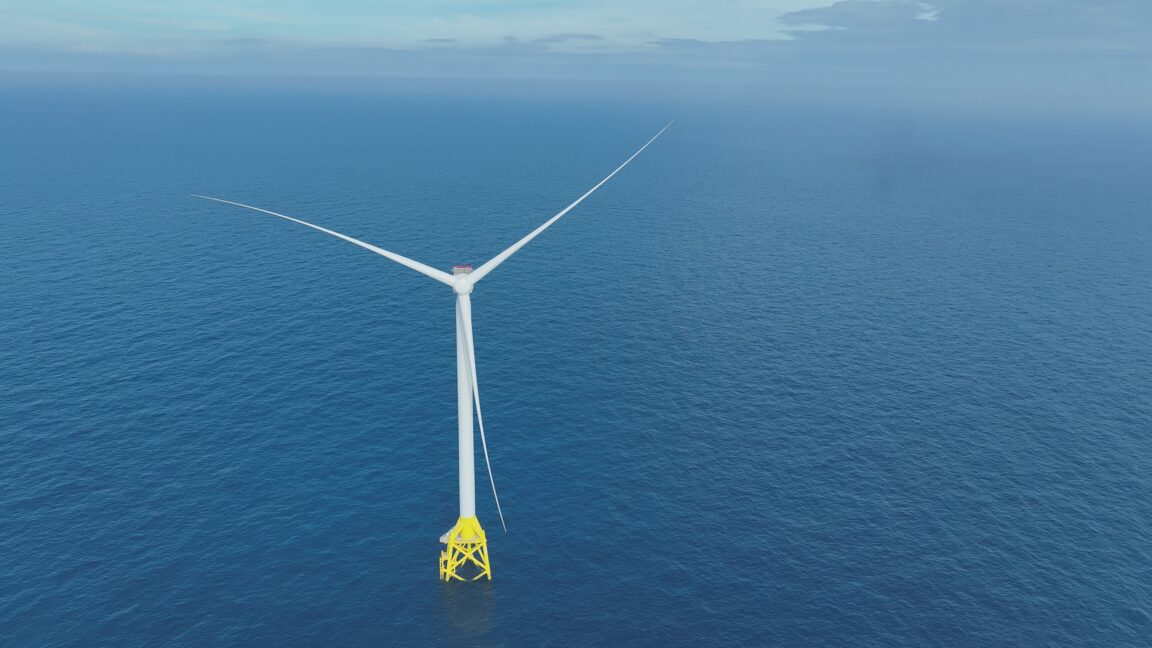
The Taiwanese chipmaker has entered into a comprehensive agreement with Northland Power, a Canada-based global energy producer, to secure the entire output from the Hai Long offshore wind project. This massive renewable energy initiative encompasses more than 1 gigawatt of power capacity distributed across three strategically positioned offshore wind sites located in the Taiwan Strait off the western coast of central Taiwan. The announcement, disclosed on April 30, represents one of the most significant corporate power purchase agreements ever established in the semiconductor industry.
The scale of this renewable energy investment highlights the immense power consumption requirements of modern chip fabrication facilities. AI chip manufacturing has become increasingly energy-intensive, with cutting-edge semiconductor production demanding continuous power supplies to maintain the precise environmental conditions necessary for creating the most advanced processors on the market. TSMC's decision to invest in renewable energy reflects both the company's commitment to sustainability and the practical necessity of securing reliable power sources for its operations.

Once the Hai Long project reaches full completion, it will possess sufficient capacity to generate enough electricity to power the equivalent of more than 1 million Taiwanese households annually. This staggering figure demonstrates the project's scale and potential impact on Taiwan's overall energy landscape. The wind farms began their initial operational phase and commenced supplying renewable electricity to Taiwan's national power grid during 2025, representing a significant milestone in the country's renewable energy transition.
The transition toward full operational status is expected to conclude by 2027, at which point all three offshore wind sites will be producing at maximum capacity. This timeline is crucial for Taiwan, which faces mounting pressure from both energy demand driven by the booming semiconductor sector and environmental concerns about over-reliance on fossil fuels and aging nuclear facilities. The phased approach to bringing the wind farms online allows for proper integration with Taiwan's existing power infrastructure while TSMC and other industrial consumers prepare to transition portions of their operations toward renewable sources.
Taiwan's semiconductor industry, particularly dominated by TSMC's operations, stands as one of the most energy-intensive industrial sectors in the world. The nation's geographical position, limited natural resources, and densely concentrated chip manufacturing hub have created a unique vulnerability regarding energy security. The global energy crisis, exacerbated by geopolitical tensions and supply chain disruptions, has made securing alternative power sources an urgent priority for the government and leading industrial players alike.
The AI revolution has dramatically intensified these energy challenges, as semiconductor production for artificial intelligence applications requires even greater power inputs than traditional chip manufacturing. Data centers processing AI workloads demand constant, reliable electricity, and the chips powering these systems require extraordinary precision during the manufacturing process. TSMC, as the primary supplier of advanced processors for leading AI companies, has found itself at the center of this energy consumption explosion.
Beyond the immediate benefits to TSMC's operations, the Hai Long offshore wind project represents a broader strategic initiative to strengthen Taiwan's renewable energy infrastructure. The project contributes significantly to the nation's ambitious goals for expanding clean energy capacity and reducing dependence on imported fossil fuels and aging nuclear power stations. Government officials and environmental advocates have strongly supported such initiatives as essential components of Taiwan's long-term energy security strategy and climate change mitigation efforts.
The partnership between TSMC and Northland Power exemplifies how leading technology companies increasingly recognize their role in addressing climate change and energy sustainability. Corporate power purchase agreements have emerged as a powerful mechanism for accelerating renewable energy deployment, as major industrial consumers leverage their purchasing power to make large-scale renewable projects economically viable. TSMC's commitment provides Northland Power with the revenue certainty necessary to finance and develop the complex offshore wind infrastructure.
The Hai Long project encompasses sophisticated offshore engineering, advanced turbine technology, and complex grid integration systems designed to withstand Taiwan Strait conditions. Building offshore wind farms in this region presents unique technical challenges due to typhoon season, seismic activity, and complex maritime regulations. Northland Power brings extensive international experience in offshore wind development, having successfully executed similar projects in other challenging marine environments around the world.
For TSMC and Taiwan more broadly, securing reliable renewable energy sources has become strategically essential for maintaining competitive advantage in the global semiconductor industry. As international scrutiny of corporate environmental practices intensifies and ESG (environmental, social, and governance) considerations influence investment decisions, demonstrating commitment to sustainable operations enhances the company's reputation and market position. This agreement signals to global partners, customers, and investors that TSMC takes environmental responsibility seriously while managing the considerable power demands of next-generation chip manufacturing.
The timing of this announcement reflects TSMC's recognition that the AI boom will continue driving unprecedented demand for advanced semiconductors well into the future. The company's investment in securing renewable power sources positions it advantageously for long-term growth while addressing legitimate concerns about the environmental impact of intensive industrial operations. As governments worldwide implement stricter emissions regulations and corporate sustainability requirements, companies that proactively transition to clean energy will enjoy competitive advantages over those dependent on fossil fuels.
Taiwan's government has strongly endorsed such renewable energy initiatives as critical components of national energy policy and economic strategy. The island nation's energy independence remains a persistent concern for policymakers, particularly given Taiwan's strategic importance in the global semiconductor supply chain and the potential vulnerabilities associated with over-reliance on imported energy resources. The Hai Long project contributes meaningfully toward diversifying Taiwan's power generation portfolio and reducing energy security risks.
Looking forward, TSMC's investment in wind power may inspire other major industrial consumers and technology companies to pursue similar renewable energy agreements. As competition intensifies within the semiconductor industry and environmental concerns move to the forefront of business considerations, companies that successfully balance massive power requirements with sustainable practices will emerge as leaders in the transformation toward cleaner industrial operations. The Hai Long offshore wind project demonstrates that large-scale renewable energy solutions can be successfully integrated with energy-intensive industrial operations, creating models that other nations and industries may emulate.
Source: Ars Technica


