
Tuareg Fighters Seize Control of Mali City

Ethnic Tuareg separatist forces confirm Russian withdrawal from Kidal after coordinated attacks. Islamist groups also involved in weekend offensive across northern Mali.
In a significant development in the ongoing regional conflict, ethnic Tuareg fighters have confirmed they have successfully taken control of Kidal, a strategically important city in northern Mali, following an intense weekend of coordinated attacks across the country. The withdrawal of Russian military forces from the contested region marks a notable shift in the geopolitical dynamics of Mali's volatile northern territories, where multiple armed groups continue to vie for territorial supremacy and political influence.
The offensive that led to this dramatic change in control involved not only the Tuareg separatist movement but also various Islamist militant groups that have established a significant presence in the Sahel region. These groups mounted what appeared to be a well-coordinated series of attacks throughout the weekend, targeting Russian positions and other military installations across northern Mali. The scale and coordination of the offensive suggests a level of organization and strategic planning that underscores the complexity of the security situation unfolding in this remote but strategically vital region.
Kidal has long been considered a crucial hub in northern Mali, serving as a center of administrative and military importance. The city of Kidal sits at the intersection of multiple ethnic, political, and religious tensions that have characterized the region for decades. Russian military advisors and security personnel had been present in the area as part of broader security cooperation agreements with Mali's military government, but their presence had increasingly become a flashpoint for international criticism and regional tensions.
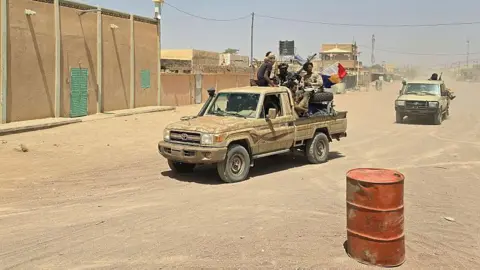
The Tuareg people, a historically nomadic ethnic group spread across the Sahel region of West Africa, have long sought greater autonomy and self-determination in Mali. This weekend's military action represents a significant assertion of their military capabilities and political ambitions in the struggle over northern Mali's future. The Tuareg fighters have maintained their presence in the region despite previous conflicts and international interventions, demonstrating remarkable resilience and organizational capacity.
The involvement of Islamist groups in the offensive raises complex questions about the nature of the alliance that orchestrated these attacks and the potential for differing goals among the various factions involved. While the Tuareg forces are primarily motivated by ethnic nationalism and demands for regional autonomy, many of the Islamist groups operating in Mali are part of larger jihadist networks with transnational ambitions. The coordination between these disparate elements suggests a convergence of interests, at least in the short term, against the Russian-backed military presence.
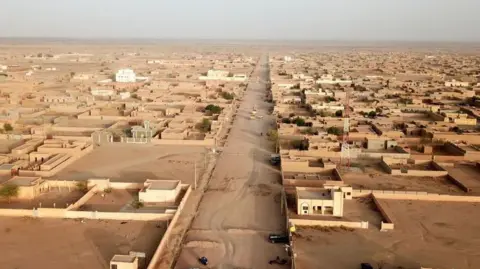
Russian military involvement in Mali had intensified in recent months following the country's military coup and the establishment of a junta government that sought international security partnerships. The deployment of Russian military advisors, training personnel, and equipment was part of an effort to stabilize the country and counter what Russia framed as terrorist threats. However, the Russian presence had become increasingly controversial both internationally and within Mali itself, with many viewing it as a violation of African sovereignty and a troubling geopolitical development in the region.
The weekend's coordinated attacks represent a serious challenge to the stability that the military government in Bamako had been attempting to establish with Russian assistance. The scale of the offensive and the ability of diverse militant groups to coordinate their actions demonstrates the persistent instability in northern Mali despite international intervention efforts. Local residents and international observers have expressed concerns about what this military shift might mean for civilian populations caught in the conflict.

The confirmation of Russian withdrawal from Kidal comes at a time of intense international scrutiny regarding Russia's military operations and diplomatic activities across Africa. Several African nations have hosted Russian military advisors and security personnel, reflecting a broader Russian strategy to expand its geopolitical influence in regions where Western powers have traditionally held sway. The withdrawal from Kidal, whether voluntary or forced, suggests that this Russian strategy faces significant challenges and resistance from local armed movements.
The separatist attacks over the weekend were not limited to Kidal but represented a broader offensive that struck multiple locations across northern Mali. This widespread coordinated action indicates careful planning and preparation by the groups involved and suggests that tensions had been building for some time before the weekend's violence erupted. The ability to mount simultaneous attacks across such a vast geographical area demonstrates significant operational capacity among the militant forces.
International observers and humanitarian organizations have expressed concern about the humanitarian implications of this military shift. Civilians in the affected areas face increased risk from intensified conflict, potential reprisals, and disruption of basic services. The displacement of populations and the breakdown of security can exacerbate existing humanitarian crises, particularly in remote areas where assistance is already difficult to deliver.
Looking forward, the withdrawal of Russian forces and the reassertion of Tuareg control over Kidal raises questions about the trajectory of Mali's political and security situation. The military government in Bamako will need to navigate complex negotiations with various armed groups and international partners as it seeks to restore stability across the country. The involvement of Islamist groups in the weekend's offensive adds another layer of complexity to these dynamics, as it introduces actors with potentially conflicting long-term objectives.
The events in Kidal underscore the enduring fragility of state authority in northern Mali and the continued centrality of armed non-state actors in the region's politics and security landscape. Despite numerous international interventions, from French military operations to UN peacekeeping missions to Russian security partnerships, the fundamental conflicts and grievances that drive violence in the region remain largely unresolved. The Mali security situation continues to resist external solutions that do not address the underlying political and social dynamics that fuel the conflict.
As news of the withdrawal spreads, it sends signals to other armed groups operating in the Sahel about the vulnerability of foreign military presences and the continued viability of armed struggle to achieve political objectives. This may encourage further challenges to state authority and international interventions in the region, potentially leading to additional cycles of violence and instability. The outcome of these developments will significantly shape the future of Mali and the broader Sahel region for years to come.
Source: BBC News


