
TUC Calls for Ban on Uber's Dynamic Pricing Pay Model

Trade union leaders demand ban on dynamic pricing algorithms used by Uber and gig platforms, citing worker exploitation and lack of earnings certainty.
In a significant move that could reshape the future of gig economy employment, leaders of the United Kingdom's largest union body have publicly called for an outright ban on dynamic pricing mechanisms used by major platforms like Uber to determine worker compensation. The Trades Union Congress has released a comprehensive report that exposes what union officials describe as exploitative practices that leave workers vulnerable to unpredictable wage fluctuations and algorithmic manipulation.
The report presents striking findings from interviews with gig economy workers who described their experience in strikingly candid terms. Multiple workers used the word "gambling" when characterizing their daily work, explaining that wages felt more like the unpredictable outcome of chance rather than fair compensation for their time and effort. This powerful language underscores the fundamental disconnect between traditional employment relationships and the modern gig economy model that has proliferated across ride-sharing, delivery, and freelance platforms.
According to the TUC's analysis, dynamic pay algorithms have fundamentally altered how compensation is calculated on these platforms. Rather than basing wages on transparent metrics such as hours worked, skill level, experience, or the difficulty of tasks completed, these systems employ complex algorithmic formulas that operate largely behind closed doors. Workers have virtually no insight into how their earnings are determined from one day to the next, making financial planning and budgeting nearly impossible.
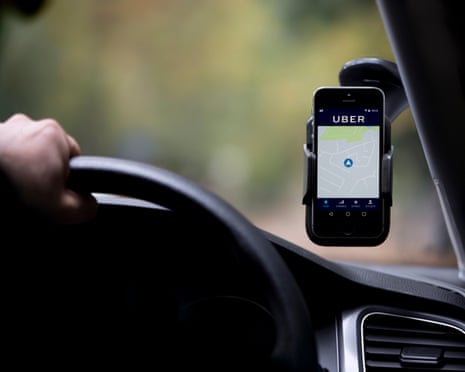
The Trades Union Congress argues that this approach represents a fundamental violation of basic employment principles that have been established over more than a century of labor rights advocacy. The union body contends that algorithmic pay determination creates an inherently unstable and unpredictable work environment that disproportionately affects vulnerable workers who depend on gig work for their primary income. By removing transparency and predictability from wage calculation, platforms like Uber maintain excessive control over worker earnings while avoiding traditional employer responsibilities.
Union leaders have highlighted how wage transparency has become increasingly absent from gig platforms despite being a foundational element of labor law in most developed economies. Workers often cannot access clear information about what factors influenced their pay on any given day, week, or month. This opacity creates an information asymmetry that heavily favors the platforms while leaving workers powerless to challenge unfair compensation decisions or plan their financial futures with any degree of confidence.
The practical implications of this system extend far beyond simple inconvenience. Workers relying on gig economy income face significant challenges in meeting basic financial obligations such as mortgage payments, rent, childcare costs, and healthcare expenses when their weekly earnings fluctuate wildly based on opaque algorithmic decisions. Many workers describe anxiety and stress related to income instability, particularly those without financial safety nets or alternative employment opportunities. The TUC's report documents numerous cases where workers have experienced sudden, unexplained reductions in earnings, leaving them struggling to understand what actions or circumstances triggered these changes.
The TUC report on gig platforms represents part of a broader global conversation about the fairness and sustainability of gig economy business models. As platforms like Uber, Deliveroo, Instacart, and others have grown increasingly profitable, questions have mounted about whether their financial success depends on maintaining unfair labor practices. The dynamic pricing system allows platforms to maximize profits by ensuring workers never have leverage to negotiate wages or organize collectively for better terms.
Beyond the immediate wage concerns, the TUC's recommendations reflect deeper anxieties about the future of work in the digital age. If algorithmic pay determination becomes the norm across industries, workers across the economy could find themselves subject to similar unpredictability and lack of control. The union's call for a ban on these practices in the gig economy represents an effort to establish a principled boundary before the practice becomes even more widespread and entrenched in employment practices.
Experts supporting the TUC's position argue that algorithmic wage systems violate fundamental principles of fair labor practices, including the right to understand how one's compensation is determined and the ability to challenge unjust or erroneous wage calculations. They point out that traditional employers are required to provide detailed wage statements showing how pay was calculated, but gig platforms operate under far fewer regulatory constraints. This regulatory gap has allowed the dynamic pricing model to flourish despite its questionable fairness.
The TUC's proposal to ban dynamic pricing pay models would represent a significant regulatory intervention in the gig economy sector. Such a ban would likely require platforms to adopt more transparent, predictable wage calculation methods that workers can understand and potentially challenge. While platforms argue that algorithmic pricing allows them to optimize labor distribution and respond to real-time demand variations, critics contend that workers should not bear the financial risk of these optimizations.
The timing of the TUC report coincides with growing regulatory scrutiny of gig platforms across multiple jurisdictions. Policymakers in various countries have begun examining whether existing labor laws adequately protect gig workers or whether new regulations are necessary. The TUC's call for a specific ban on dynamic pricing provides lawmakers with a concrete policy proposal to consider as they develop comprehensive gig economy regulations.
Looking forward, the debate over dynamic pricing and gig worker protections will likely intensify as more research documents the impacts on workers' lives and livelihoods. The TUC's report contributes crucial evidence to this conversation, moving beyond abstract economic arguments to demonstrate the real human consequences of algorithmic wage determination. Whether regulators ultimately adopt the TUC's recommended ban remains to be seen, but the report has clearly established that the current system leaves much to be desired from a worker welfare perspective.
The fundamental question raised by this debate extends beyond individual platforms or specific wage calculation methods. It speaks to broader questions about what society expects from employers regarding worker treatment, financial security, and dignity in the workplace. As the gig economy continues to expand, establishing clear principles about fair compensation and worker protection becomes increasingly urgent for policymakers and society as a whole.
Source: The Guardian

