
Tucker Carlson Expresses Deep Regret Over Trump Endorsement

Conservative podcaster Tucker Carlson admits he 'misled' supporters and feels 'tormented' by his backing of Donald Trump amid escalating tensions over Iran policy.
Tucker Carlson, the influential conservative podcaster and political commentator, has made a stunning public confession regarding his vocal support of Donald Trump, declaring himself "tormented" by the decision. In a candid admission that caught many observers off guard, Carlson acknowledged that he had "misled" his audience of millions of followers, marking a significant turning point in his relationship with the sitting U.S. president.
The dramatic reversal came during a particularly revealing episode of The Tucker Carlson Show broadcast on Monday, where the podcaster engaged in a deeply personal conversation with his brother, Buckley Carlson, who previously served as a speechwriter during Trump's administration. This intimate discussion provided a rare window into the internal conflicts facing prominent conservative figures as they grapple with the direction of the Republican Party under Trump's leadership and influence.
During the episode, Carlson reflected on broader transformations within the Republican Party, noting how traditional conservative values have seemingly taken a backseat to Trump's brand of populism and personal political interests. He called for what he described as "a moment to wrestle with our own consciences," suggesting that many within the conservative movement face similar internal struggles about their earlier endorsements and support for the president.

The timing of Carlson's confession is particularly significant given the deepening rift between Trump and Carlson over matters of foreign policy, specifically regarding potential military action against Iran. This growing divide has exposed fundamental disagreements about how America should approach international relations and military interventions, revealing that the relationship between the podcaster and the president had been deteriorating well before this public acknowledgment.
Carlson's statement represents a notable moment in contemporary American political discourse, where influential media figures must reckon with their role in shaping public opinion and supporting political leaders. The podcaster's willingness to publicly admit misleading his audience demonstrates an unusual level of accountability rarely seen among major political commentators and media personalities who wield considerable influence over their audience's political beliefs and voting behavior.
Sources close to the situation indicate that Carlson's shift in perspective stems from observing policy decisions he views as contrary to the principles he had championed during Trump's first term in office. The specific Iran war controversy appears to have served as a catalyst, forcing Carlson to reevaluate his earlier enthusiastic backing of the former and current president, leading to this extraordinary public mea culpa.
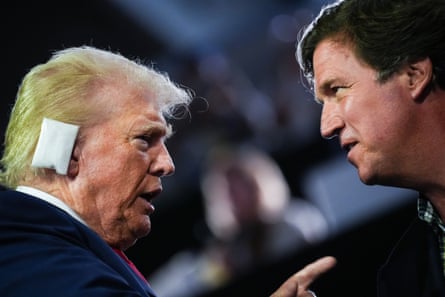
The conversation between the Carlson brothers touched upon the transformation of the Republican Party under Trump's watch, examining how traditional conservative ideology has been overshadowed by Trump's personal agenda and controversial policies. Buckley Carlson, drawing on his experience working within Trump's administration, provided insider perspective on the decision-making processes that have troubled his brother and many other conservative figures.
This public confession has implications far beyond just Tucker Carlson's personal standing within conservative circles. It signals potential fractures within the coalition of supporters who helped propel Trump back to political prominence, raising questions about how sustainable Trump's support base truly is among influential conservative media personalities. Many observers are watching closely to see whether other prominent Trump supporters might follow Carlson's lead in reevaluating their earlier endorsements.
The incident also raises broader questions about the nature of political loyalty, media influence, and the responsibility of public figures to maintain consistency between their stated values and their actions. Carlson's admission that he misled his supporters suggests a reckoning within the conservative movement about how political endorsements are made and communicated to the millions of viewers and listeners who depend on these personalities for information and analysis.
As tensions continue to mount between Carlson and Trump over foreign policy decisions, particularly regarding potential military action in the Middle East, observers expect the podcaster's influence over Trump's base may be further tested. The complicated relationship between these two powerful figures illustrates how quickly political alliances can fracture when fundamental disagreements emerge over core policy issues and the direction the country should take.
The broader implications of Carlson's confession extend to discussions about partisan loyalty versus principled governance. Many political analysts argue that the conservative movement must grapple with fundamental questions about its values and priorities, particularly as Trump continues to reshape the Republican Party in his image. Carlson's torment and public admission may signal the beginning of a more critical examination within conservative media circles regarding the costs and consequences of their earlier political choices.
Looking forward, the relationship between Tucker Carlson and Donald Trump will likely continue to deteriorate, with the podcaster potentially joining other former Trump allies in publicly criticizing decisions and policies coming from the Trump administration. This development could reshape the political landscape heading into the next election cycle, as influential media figures reconsider their positions and the extent to which they will continue supporting Trump's political agenda and leadership style.
Source: The Guardian


