
Tucson Defies ICE: City Takes Bold Stand Against Federal Agency

Tucson city council unanimously votes to restrict ICE operations on city property, requiring judicial warrants. State Republicans prepare counteroffensive.
In a dramatic show of municipal resistance to federal immigration enforcement, the city of Tucson, Arizona has taken decisive action to protect its residents from ICE operations conducted without proper judicial oversight. The move comes in the wake of a tragic incident that galvanized local officials into action, demonstrating how events occurring hundreds of miles away can spark significant policy changes at the local level. This unprecedented step represents one of the most aggressive municipal challenges to immigration enforcement tactics in recent years.
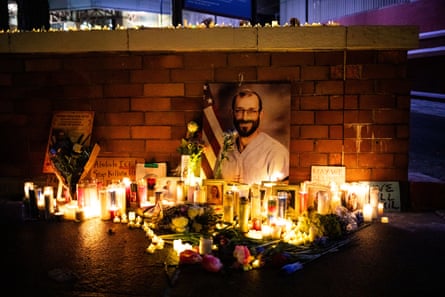
The catalyst for Tucson's bold initiative was the fatal shooting of Renee Good, a mother of three, who was killed by an immigration agent on the streets of Minneapolis in January. The reverberations of this tragedy reached Tucson's city hall, where lawmakers recognized a troubling pattern of aggressive federal enforcement tactics that they felt threatened their constituents' safety and civil liberties. The emotional weight of Good's death combined with growing concerns about immigration enforcement practices created an urgent momentum for legislative action.
Just two weeks following Good's death, the Tucson city council convened and voted unanimously to initiate a groundbreaking process designed to severely restrict Immigration and Customs Enforcement agents and homeland security officials from utilizing city property as staging grounds for enforcement activities. Under the new framework, federal agents would be required to present a warrant signed by a judge before gaining access to municipal facilities for immigration operations. This requirement represents a significant departure from previous practices where federal agents often operated with considerable latitude on local properties.

The unanimous vote demonstrates remarkable consensus among Tucson's elected officials regarding the need for stronger protections for city residents. Mayor Regina Romero, who championed the initiative, articulated the city's position with forceful clarity when addressing critics. "You cannot compromise with crazy," Romero stated, emphasizing that the city must take whatever measures are necessary to protect vulnerable populations from overzealous enforcement actions. Her comments reflected the deep conviction among city leaders that this policy change was both morally necessary and legally justified.
The Tucson ordinance addresses a critical gap in current immigration enforcement regulations that critics argue leaves communities vulnerable to aggressive federal operations. By requiring judicial warrants, the city aims to ensure that enforcement actions meet the constitutional standards applied to other law enforcement activities. This requirement creates an additional layer of legal scrutiny that proponents argue will reduce the likelihood of abusive enforcement practices and protect innocent residents from being caught up in dragnet operations.
Legal experts have noted that cities possess legitimate authority to restrict federal agency access to municipal property and to establish rules governing how federal agents conduct operations on city-controlled facilities. The Tucson ordinance operates within well-established principles of municipal sovereignty, asserting the city's right to determine how its resources are used and to protect the welfare of its residents. This legal foundation has emboldened similar municipal governments nationwide to explore comparable restrictions on federal enforcement agencies.
However, the city's progressive stance on ICE immigration policy has not gone unchallenged. State-level Republicans, who control Arizona's legislature, have signaled their intention to mount a vigorous counteroffensive against what they view as an obstruction of federal authority. Conservative lawmakers argue that cities should not be permitted to interfere with legitimate federal enforcement activities, and they are preparing legislative measures designed to undermine or eliminate Tucson's new protections.
The emerging confrontation between Tucson and state Republican leadership reflects deeper ideological divides over immigration enforcement and federalism. While the city council emphasizes humanitarian concerns and constitutional protections for all residents regardless of immigration status, state-level Republicans prioritize cooperation with federal immigration authorities and view municipal restrictions as an impediment to national security interests. This fundamental disagreement has set the stage for what promises to be a contentious political battle.
Arizona state legislators have begun crafting legislation that would preempt local ordinances restricting federal immigration enforcement. These bills would establish state-level requirements that cities cooperate with federal immigration authorities and would potentially impose penalties on municipalities that attempt to regulate federal agency activities within their jurisdictions. The legislative strategy reflects the Republican majority's determination to override what they perceive as obstructionist local policies.

City officials in Tucson are bracing for the coming legislative battle, recognizing that state-level Republicans command significant political power and resources. Mayor Romero and her allies have begun organizing grassroots support for their position, reaching out to immigrant advocacy organizations, civil rights groups, and community leaders to build a coalition capable of resisting state-level pressure. The mayor has made clear that Tucson will not back down from defending what city leaders view as fundamental protections for vulnerable residents.
The broader context for this conflict includes a national debate over sanctuary policies and the appropriate relationship between local and federal authorities. In recent years, numerous American cities have adopted sanctuary city policies designed to limit cooperation with federal immigration enforcement. These policies reflect a growing recognition among municipal leaders that aggressive immigration enforcement can harm community safety by discouraging residents from reporting crimes and cooperating with local police. Tucson's ordinance represents an evolution of this approach, focusing specifically on restricting federal access to city property.
Immigration advocates have praised Tucson's decisive action as a model for other cities seeking to protect their residents. Organizations working with immigrant communities have noted that restrictions on federal enforcement activities can reduce the chilling effect that aggressive immigration enforcement has on community trust and cooperation with law enforcement. By raising the legal bar for federal operations on city property, Tucson is attempting to create space for immigrant residents to live and work without constant fear of immigration enforcement actions.
The tragedy of Renee Good's death continues to resonate throughout the country, prompting communities to examine their own policies regarding immigration enforcement. Tucson's response demonstrates how tragic events can catalyze significant policy changes, as elected officials recognize their responsibility to prevent similar incidents in their own communities. The city's actions reflect a growing conviction among progressive municipal leaders that they must take affirmative steps to protect residents from what they view as excessive or abusive federal enforcement practices.
As this dispute unfolds, the outcome could have significant implications for other cities considering similar restrictions on federal immigration enforcement. A decisive victory for either Tucson or the state Republican legislature could set a precedent that influences how other communities navigate these contentious issues. The confrontation between Arizona's state government and its largest progressive city promises to be a high-stakes battle over federalism, constitutional rights, and the appropriate scope of immigration enforcement in American communities.


