
Two Britons Show Recovery After Hantavirus Ship Evacuation

Two British passengers evacuated from a hantavirus-affected cruise ship are improving in hospitals. A 69-year-old receives care in Johannesburg while expedition guide Martin Anstee, 56, is being treated in the Netherlands.
Two British passengers who were urgently evacuated from a hantavirus-hit cruise ship are showing signs of improvement according to reports from international health officials overseeing their cases. The medical evacuations, which took place following a serious outbreak aboard the vessel, have resulted in both patients receiving specialized care in separate medical facilities across different continents.
A 69-year-old British passenger was medically evacuated on 27 April and transported to South Africa, where he is currently receiving treatment at a private health facility located in Sandton, Johannesburg. The patient was transferred to the facility following protocols established for managing hantavirus cases in international medical emergencies. His condition, while serious, has stabilized enough that medical professionals report he is showing positive progress in his recovery journey.
In addition to the elderly male patient, expedition guide Martin Anstee, aged 56, was also evacuated from the affected vessel and is now receiving specialized medical care in the Netherlands. The guide's evacuation was coordinated as part of the broader response to the outbreak situation, with health authorities prioritizing transport to facilities equipped to handle complex viral infections of this nature.
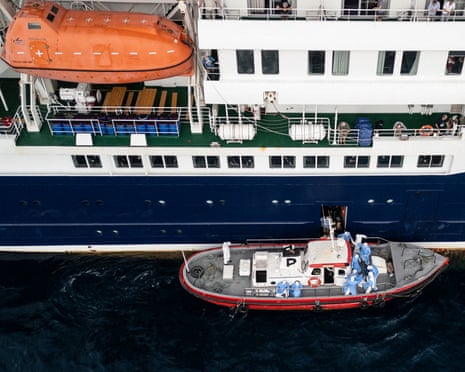
The hantavirus outbreak aboard the cruise ship has become a significant public health concern, prompting coordinated international responses from multiple health organizations and governments. The virus, transmitted primarily through contact with infected rodent droppings, urine, or saliva, can develop into severe respiratory complications if left untreated. Health officials have emphasized the importance of rapid medical intervention and specialized care in managing confirmed cases.
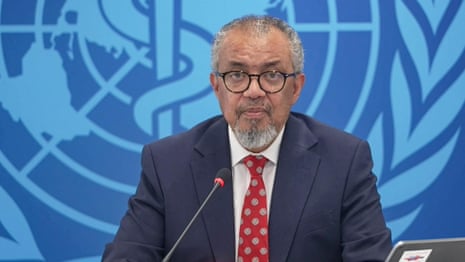
Global health authorities have been monitoring the situation closely, with representatives from various international health organizations providing updates on the evacuated patients' conditions. The coordination between South African and Dutch medical facilities demonstrates the international nature of modern medical emergencies, where patients may receive care across borders depending on the availability of specialized treatment centers and resources.
The evacuation procedures implemented during this crisis followed established protocols for managing infectious disease outbreaks at sea. Medical teams aboard vessels involved in such incidents are trained to identify symptomatic individuals, implement isolation procedures, and coordinate with coastal health authorities to arrange appropriate emergency transport and hospitalization.

Hantavirus infections can manifest with symptoms including fever, muscle aches, headaches, and potentially life-threatening respiratory complications. The disease has a variable incubation period, typically ranging from one to eight weeks after exposure, which makes early detection and medical intervention crucial for patient outcomes. Both evacuated patients have been receiving continuous monitoring and specialized medical care appropriate for managing confirmed viral infections.
The crew and remaining passengers aboard the affected cruise ship have undergone health screenings and quarantine procedures as part of the outbreak containment strategy. Public health officials from multiple jurisdictions have coordinated testing protocols and contact tracing efforts to prevent further spread of the virus. The situation has prompted renewed attention to biosecurity measures implemented across the cruise ship industry.
Medical facilities in both Johannesburg and the Netherlands are equipped with specialized departments capable of managing complex viral infections and providing intensive care when necessary. The 69-year-old patient currently receiving care in Johannesburg's Sandton facility has access to advanced medical technology and trained infectious disease specialists. Similarly, the Netherlands facility treating Martin Anstee represents one of Europe's leading centers for managing viral outbreaks and providing critical care support.
The recovery progress of both evacuated patients offers some reassurance regarding the effectiveness of rapid medical intervention in hantavirus cases. Health experts have highlighted the importance of immediate hospitalization upon symptom onset, as early treatment can significantly improve patient outcomes. The cases of the two British individuals demonstrate the critical role that international medical cooperation plays in managing serious infectious disease emergencies.
Beyond the immediate cases, the outbreak has prompted broader discussions within the maritime and public health communities regarding infectious disease prevention and response strategies. Cruise ship operators, health authorities, and international organizations are reviewing existing protocols to ensure comprehensive protection for passengers and crew members traveling on vessels worldwide.
Family members and loved ones of the two evacuated British passengers have been provided with regular updates regarding their conditions by medical staff and official health representatives. The emotional and physical toll of serious illness followed by international medical evacuation underscores the challenges faced by travelers who encounter medical emergencies while abroad. Support systems and coordination between international medical facilities have proven essential in managing these complex situations effectively.

The hantavirus outbreak on cruise ships represents a rare but serious public health event that demonstrates the unpredictable nature of infectious disease risks in modern travel environments. Despite rigorous sanitation and safety protocols, viruses can occasionally find pathways to infect individuals in confined spaces such as cruise ships. This particular outbreak has served as a reminder of the importance of maintaining vigilance and preparedness for emerging health threats.
Moving forward, health authorities and maritime industry representatives continue to collaborate on developing more comprehensive screening methods, improved ventilation systems, and enhanced sanitation protocols. These measures aim to reduce the risk of future outbreaks while ensuring that should incidents occur, response mechanisms can be activated rapidly and effectively. The improving conditions of the two British evacuees offer hope and demonstrate that with appropriate medical intervention, recovery from serious viral infections remains possible.

