
Two Female Sudanese Asylum Seekers Die Crossing Channel

A 16-year-old and woman in her twenties from Sudan died attempting to cross the English Channel early Sunday near Boulogne.
A tragic maritime incident has claimed the lives of two female Sudanese asylum seekers attempting to cross the English Channel in the early morning hours of Sunday. The bodies of a 16-year-old girl and a woman believed to be in her twenties were discovered in a small boat near the coast of Boulogne, marking another devastating chapter in the ongoing crisis affecting vulnerable migrants seeking safety in Europe.
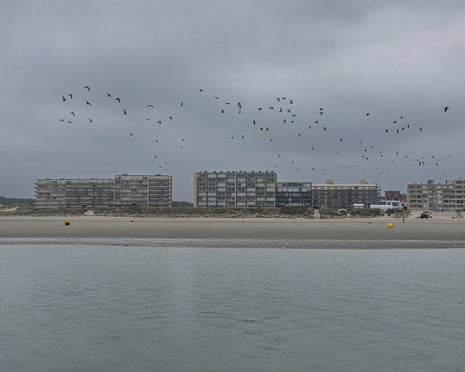
According to local authorities, the vessel carrying the two women ran aground on the beach at Neufchâtel-Hardelot, a coastal community in northern France. Christophe Marx, secretary general of the Pas-de-Calais Prefecture, confirmed the incident and the recovery of the bodies from the boat. The exact circumstances surrounding their deaths remain under investigation by French authorities who continue to examine the vessel and gather evidence about what transpired during the crossing attempt.
This tragic event underscores the increasingly dangerous conditions that asylum seekers face when attempting to reach the United Kingdom across one of the world's busiest shipping channels. The English Channel, despite its relatively narrow width of approximately 21 miles at its narrowest point, presents formidable challenges including unpredictable weather conditions, strong currents, and heavy maritime traffic that pose severe risks to those traveling in small, overcrowded boats.
The age of the teenager involved in this incident raises particular concerns about the vulnerability of minors within refugee populations. Child asylum seekers face heightened risks during migration journeys, including exploitation, trafficking, and dangerous maritime crossings. International organizations working with refugees have repeatedly warned about the disproportionate danger faced by unaccompanied minors and young people attempting to reach safety through irregular migration routes.
Sudan, the origin country of these two individuals, has been experiencing severe instability and humanitarian challenges that have prompted thousands to flee seeking international protection. The ongoing conflict and economic collapse in Sudan have displaced millions internally and forced many others to undertake perilous journeys across borders and seas in search of stability and security. Sudanese nationals represent a significant proportion of those attempting dangerous Channel crossings, reflecting the desperation many feel regarding conditions in their homeland.
The Channel crossing crisis has become increasingly problematic in recent years, with hundreds of individuals attempting the journey each month despite well-documented dangers. Multiple nations, including France and the United Kingdom, have grappled with how to address the phenomenon while managing humanitarian concerns and border security considerations. The frequency of incidents involving loss of life has intensified international scrutiny regarding the adequacy of current approaches to migration management.
French maritime authorities have invested considerable resources in monitoring and managing migration activities along the northern coast. Despite these efforts, the determination of individuals fleeing dangerous situations often results in continued attempts to reach British shores. The tragic loss of life periodically punctuates public awareness of the human cost associated with irregular migration routes and the circumstances that compel people to take such extraordinary risks.
This incident comes amid broader discussions about asylum policies, humanitarian obligations, and international responsibility for protecting vulnerable populations. Different nations hold varying perspectives on how to address asylum seeker protection while managing border control and domestic concerns. The death of a teenager in these circumstances inevitably prompts difficult conversations about whether existing policies adequately address the root causes of forced migration and the mechanisms available for safe, legal asylum processing.
The investigation into the specific causes of death will likely provide additional details about conditions aboard the vessel, including whether adequate safety measures were present, whether the boat was overloaded, and what role environmental factors may have played. Such investigations are essential for understanding patterns and informing future prevention strategies. Authorities will also seek to identify the individuals involved and notify their families, a process that can be complicated when documented identity information is limited.
Organizations dedicated to migrant rights and humanitarian assistance have consistently emphasized that addressing the Channel crossing deaths requires coordinated international efforts addressing both the push factors driving migration and the conditions that make journeys so hazardous. These include improving asylum processing timelines, addressing root causes of displacement, and establishing safe and legal migration pathways that reduce reliance on dangerous irregular routes. The loss of life, particularly involving young people, intensifies calls for such comprehensive approaches.
The incident highlights the ongoing vulnerability of women and girls within migration populations, who face particular risks including gender-based violence, exploitation, and inadequate access to safety information and resources. Female asylum seekers may lack awareness of specific dangers or may face additional obstacles in accessing protective services compared to other populations. Ensuring gender-sensitive approaches to migration management and protection services remains an important consideration for policymakers and humanitarian organizations.
Source: The Guardian


