
Two Men Charged in London Antisemitic TikTok Video Case

Adam Bedoui and Abdelkader Amir Bousloub face religiously aggravated harassment charges following alleged hate crime incident on Clapton Common.
Two men have been formally charged with religiously aggravated harassment following a serious hate crime investigation in north London. Adam Bedoui, 20, and Abdelkader Amir Bousloub, 21, are accused of travelling to the area with the deliberate intention to film offensive content targeting members of the Jewish community, according to authorities investigating the incident.
The Metropolitan Police responded to emergency calls reporting a hate crime at Clapton Common in Hackney on Thursday evening at approximately 9pm. Officers confirmed that a group of men were allegedly engaging in harassment directed at Jewish community members in the area. The swift police response led to the arrest of five individuals at the scene, though only two men have proceeded to formal charges at this stage.
The incident highlights the growing concern about antisemitic harassment being documented and distributed through social media platforms. TikTok videos featuring hate speech and religious discrimination have become an increasingly troubling phenomenon, with several high-profile cases emerging across the United Kingdom in recent months. The alleged deliberate filming and potential sharing of such content represents an escalation in how hate crimes are being perpetrated and amplified in the digital age.
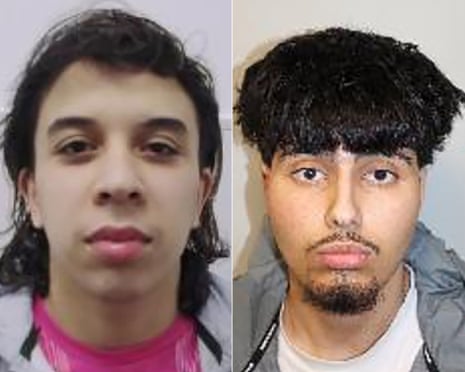
The charges against Bedoui and Bousloub carry significant legal weight, as religiously aggravated harassment is a serious criminal offense under UK law. This classification means the prosecution will argue that the harassment was specifically motivated by prejudice against the religious identity of the victims. Such charges demonstrate authorities' commitment to tackling hate crimes with appropriate severity and sending a clear message that targeting individuals based on their religion will not be tolerated.
Community leaders and organizations representing the Jewish community in London have expressed their deep concern about the rise in antisemitic incidents. These charges represent an important step in the justice system's response to such conduct. The investigation demonstrates that law enforcement agencies are taking these matters seriously and actively pursuing those responsible for perpetrating and documenting hate crimes on social media platforms.
The incident on Clapton Common has raised broader questions about the role of social media companies in preventing the spread of hate content. Many commentators argue that platforms like TikTok need to implement stronger safeguards to prevent users from uploading and sharing videos that promote religious discrimination and antisemitic rhetoric. The ease with which such content can be created and distributed has created new challenges for law enforcement agencies attempting to combat hate crimes.
While five men were initially arrested following the Thursday evening incident, the investigative process has resulted in charges being brought against two individuals at this time. This suggests that ongoing police work may lead to additional developments in the case. The Crown Prosecution Service will need to present evidence demonstrating that the accused individuals' actions met the legal threshold for religiously aggravated harassment charges.
The case is likely to proceed through the court system in the coming months, with preliminary hearings expected to establish the facts of the incident and the strength of the evidence gathered by investigators. The charges themselves carry the potential for significant penalties if the accused are convicted, reinforcing the serious nature of these allegations. Legal experts note that cases involving filmed hate crimes often involve additional complexity due to digital evidence requirements and questions surrounding intent and consent from victims.
This incident reflects a broader pattern of antisemitic harassment documented by various civil rights organizations and community groups across London and the wider United Kingdom. The Anti-Defamation League and similar organizations have reported troubling increases in antisemitic incidents over recent years, with social media platforms serving as vectors for the amplification and normalization of hate speech. Young perpetrators utilizing platforms like TikTok have become a particular concern for community safety advocates.
The intervention of the Metropolitan Police in this case represents the justice system's evolving response to hate crimes in the digital era. As social media harassment continues to challenge traditional law enforcement approaches, police departments across the UK have developed specialized units dedicated to investigating online hate crimes and prosecuting offenders. The charges brought in this case underscore the commitment of these specialized teams to hold perpetrators accountable.
The victims of the harassment on Clapton Common, who are members of the Jewish community, will likely have the opportunity to provide impact statements during any court proceedings. Their testimony regarding the psychological and emotional effects of being targeted by organized harassment will form an important part of the case. Support services are typically made available to victims of hate crimes as they navigate the legal process and its aftermath.
As this case progresses through the judicial system, it will undoubtedly contribute to the ongoing national conversation about combating antisemitism and other forms of religious discrimination in contemporary Britain. The charges serve as a reminder that deliberate harassment motivated by religious hatred carries serious legal consequences, and that law enforcement agencies remain committed to investigating and prosecuting such offenses vigorously and thoroughly.
Source: The Guardian


