
Two UK Residents Quarantine After Hantavirus Ship Exposure

UK health officials confirm two British nationals are self-isolating following exposure to hantavirus outbreak on cruise ship MV Hondius. Latest updates.
Two British nationals who traveled aboard the MV Hondius cruise ship during a hantavirus outbreak have returned to the United Kingdom and are currently observing self-isolation protocols, according to announcements from the UK Health Security Agency. The pair disembarked from the vessel at St Helena in late April, before the deadly hantavirus outbreak was officially identified and declared among other passengers and crew members onboard the troubled vessel.
According to officials from the UK Health Security Agency (UKSA), neither of the two British individuals is currently displaying any symptoms associated with hantavirus infection. This asymptomatic status is considered encouraging news, though health authorities have maintained vigilance given the serious nature of the virus and its potential for rapid progression in infected individuals. The agency has implemented comprehensive monitoring protocols to track the health status of both individuals throughout their isolation period.
The MV Hondius, an expedition cruise ship operated by Hurtigruten, became the center of international health concerns when multiple cases of hantavirus were confirmed among passengers and crew members during a voyage. The outbreak represents a significant public health incident, given that hantavirus infections can lead to serious complications and, in severe cases, prove fatal without prompt medical intervention. The ship's crew worked closely with health authorities in various jurisdictions to identify affected individuals and implement containment measures.
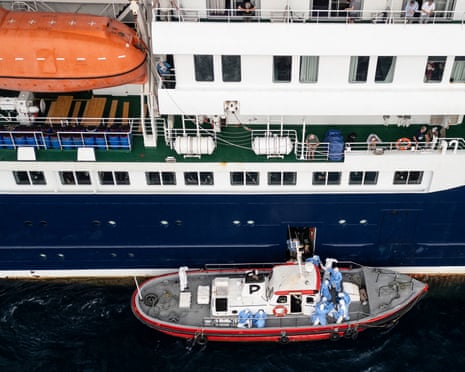
Hantavirus is transmitted primarily through contact with infected rodent droppings, urine, or saliva, though human-to-human transmission of certain hantavirus strains has been documented in specific circumstances. The virus causes a condition known as hantavirus pulmonary syndrome (HPS), which can result in respiratory distress, organ failure, and potentially life-threatening complications. Initial symptoms typically include fever, muscle aches, fatigue, and headache, potentially progressing to severe respiratory symptoms within days if left untreated.
The timing of the two British travelers' departure proves significant in this outbreak narrative. By leaving the vessel at St Helena before the outbreak was formally detected, these individuals avoided the peak period of transmission and potential direct exposure to confirmed cases. However, as a precautionary measure, health officials determined that self-isolation was warranted given their presence onboard during the incubation period of the virus.
The UK Health Security Agency has established a systematic approach to managing potential hantavirus exposure cases entering British territory. This framework includes initial health screenings, symptom monitoring, and quarantine protocols designed to prevent any potential transmission to the broader UK population. The agency's proactive stance reflects international best practices for managing infectious disease risks associated with international travel and cruise ship operations.

Cruise ship outbreaks have become increasingly scrutinized following the COVID-19 pandemic, which exposed vulnerabilities in maritime health protocols and ventilation systems. Ships operating in close quarters create ideal conditions for rapid disease transmission, making comprehensive health monitoring and swift outbreak response critical for passenger safety. The hantavirus outbreak on MV Hondius adds to growing concerns about disease management in maritime settings, particularly for expedition vessels that operate in remote locations with limited medical facilities.
Hurtigruten, the cruise line operating the affected vessel, has cooperated fully with international health authorities and regulatory agencies in responding to the outbreak. The company has implemented enhanced cleaning protocols, improved ventilation systems, and mandatory health declarations for all passengers and crew members. These measures represent the cruise industry's evolving response to biosecurity challenges identified during recent years of pandemic-related disruptions.
The isolation period for the two British nationals will follow established health authority guidelines designed to prevent potential transmission while allowing for adequate monitoring. If either individual develops symptoms consistent with hantavirus infection, they will have immediate access to specialized medical care and diagnostic testing. The UK Health Security Agency maintains open communication channels with both individuals and their healthcare providers throughout the isolation period.
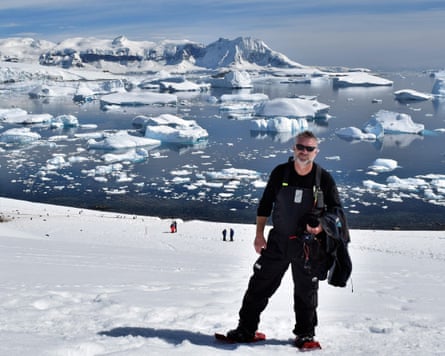
International coordination has proven essential in managing this public health incident effectively. Health authorities in the United Kingdom, St Helena, and other nations where the cruise ship operated have shared epidemiological data and coordinated their responses. This collaborative approach ensures that no cases slip through monitoring systems and that all individuals potentially exposed receive appropriate guidance and medical attention.
The broader implications of this incident extend beyond the immediate cases of exposure. Cruise ship operators, maritime regulators, and public health agencies must continue refining protocols for detecting, reporting, and managing infectious disease outbreaks in maritime environments. The MV Hondius outbreak serves as a reminder that disease surveillance and rapid response capabilities remain critical components of global health security infrastructure.
As more information emerges regarding the extent of the hantavirus outbreak and the number of affected individuals, health authorities will continue to provide updates to the public. Both the UK Health Security Agency and international partners remain committed to transparency in communicating potential health risks and protective measures available to travelers. For individuals with potential exposure concerns, guidance remains readily available through official health authority channels and medical providers.
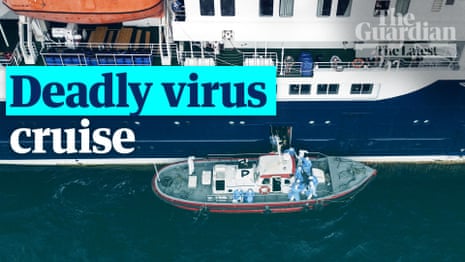
The situation involving the two self-isolating British nationals exemplifies how modern public health systems respond to emerging infectious disease threats in the era of global travel. While the absence of symptoms in these individuals is reassuring, continued monitoring ensures that any delayed symptom onset would be promptly identified and addressed. This case reinforces the importance of maintaining vigilance and following health authority recommendations for individuals with potential disease exposure, particularly when international travel is involved.
Source: The Guardian

