
UAE Nuclear Plant Strike Raises Wartime Safety Red Flags

Drone attack on Barakah reactor marks first time operating nuclear plant forced to rely on backup power during conflict. Safety concerns resurface.
A significant security incident unfolded in the United Arab Emirates this week when a drone strike targeted infrastructure near the Barakah nuclear facility, cutting off critical external power supplies to one of the Middle East's most important nuclear installations. The attack represents an unprecedented scenario in modern nuclear operations—marking the first documented instance where military action has forced a fully operational nuclear power plant to switch entirely to backup generator systems for an extended period. This development has sent shockwaves through international nuclear safety communities and geopolitical analysts alike, reigniting long-standing debates about the vulnerability of nuclear facilities during armed conflict.
Reactor No. 3 at the Barakah nuclear complex, located in the northwestern region of the UAE, experienced a complete loss of off-site power on Sunday following the coordinated attack. The reactor, which had been operating at full capacity, was forced to transition to its emergency diesel generators to maintain critical cooling systems and prevent a catastrophic meltdown scenario. This unexpected power loss persisted for approximately 24 hours, creating an extended window during which the facility operated in emergency mode—a situation that nuclear engineers had designed for but never anticipated would occur under actual combat conditions. The successful activation of backup power systems prevented what could have been a devastating nuclear incident, but the incident itself raises troubling questions about the adequacy of current safety protocols in conflict zones.
The Barakah nuclear power station, also known as the Peaceful Atom facility, represents a cornerstone of the UAE's energy diversification strategy and regional economic development. The plant comprises four advanced pressurized water reactors, designed to meet the highest international safety standards and supervised by the International Atomic Energy Agency (IAEA). Before this week's incident, the facility had maintained an exemplary operational record, with experts consistently citing it as one of the most secure nuclear installations in the world. However, the strike has exposed a critical vulnerability that international nuclear regulations have historically struggled to address: the protection of nuclear plants against military attacks during periods of regional conflict and escalating tensions.

The immediate context for this attack involves escalating tensions across the Middle East, where multiple military actors have engaged in tit-for-tat strikes across international boundaries. The drone that successfully penetrated the airspace near Barakah appears to have originated from a regional actor seeking to demonstrate capability and resolve amid the broader geopolitical crisis. Intelligence analysts suggest the strike may have been intended as a symbolic demonstration of power projection rather than an attempt to cause direct nuclear damage. Nevertheless, the fact that attackers possessed sufficient sophistication to locate critical infrastructure nodes and deploy precision-guided weaponry suggests a troubling level of nuclear security knowledge among potential adversaries in the region.
From a technical standpoint, the emergency response at Barakah unfolded precisely as designers had specified. When external power sources failed, multiple layers of automated safety systems activated in sequence, isolating the reactor core from external influences and initiating controlled shutdown protocols. The diesel generators, regularly tested and maintained according to international standards, engaged without significant delay and maintained adequate cooling power throughout the 24-hour period. Crucially, radiation levels remained within safe parameters throughout the incident, and no contamination was detected in surrounding areas. However, technical success in this instance does not necessarily translate to assurance for future scenarios, particularly if subsequent attacks target backup power supplies or coordination systems.
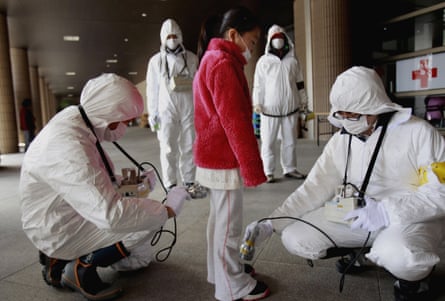
International nuclear safety organizations have begun issuing formal responses to the incident, with the IAEA conducting preliminary assessments and calling for enhanced wartime nuclear safety protocols across the region. The agency's leadership emphasized that while current safety systems functioned as intended, the underlying vulnerability remains unresolved. Nuclear experts have highlighted that existing international frameworks, including the Convention on Nuclear Safety, were developed during peacetime assumptions and have never comprehensively addressed scenarios involving sustained military conflict in proximity to nuclear facilities. This regulatory gap has suddenly transformed from a theoretical concern into an urgent practical problem.
The broader implications of the Barakah incident extend far beyond the UAE. The Middle East and surrounding regions host numerous nuclear facilities, including research reactors, fuel processing plants, and power generation stations in countries including Iran, Israel, and other regional players. If military actors have demonstrated the capability and willingness to target nuclear-related infrastructure, it raises questions about the security of this entire ecosystem. Some analysts worry that the Barakah attack could signal a new phase in regional conflict—one where nuclear facilities become explicit military targets rather than protected infrastructure. This possibility has prompted emergency consultations between regional governments and international nuclear authorities.
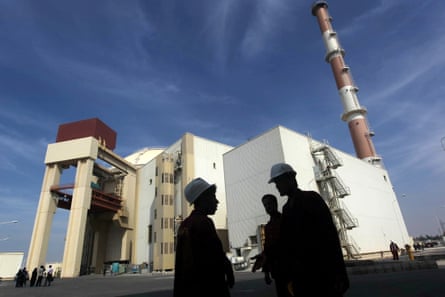
The operational challenges faced by Barakah during the power outage extended beyond mere generator activation. The facility's control systems, communications networks, and environmental monitoring equipment all rely on continuous electrical power to function optimally. During the 24-hour period, operators faced significant constraints in their ability to transmit real-time data to regulatory authorities and international monitoring agencies. This information blackout, though brief, demonstrated how nuclear plant attacks could compromise transparency and international oversight—two cornerstones of modern nuclear governance. Had the incident persisted longer, or had backup systems failed at critical junctures, this communication gap could have created dangerous ambiguity about the facility's actual status.
Looking forward, nuclear engineers and security specialists face urgent questions about how to harden nuclear facilities against drone attacks and other modern military threats. Current designs, developed during previous conflict eras, assume certain patterns of attack and certain constraints on attacker capabilities. Contemporary technology, including swarms of autonomous drones, electromagnetic pulse weapons, and precision-guided munitions, introduces vectors that traditional nuclear security frameworks never fully anticipated. The Barakah incident has triggered calls for comprehensive re-evaluation of nuclear security standards, with particular focus on protecting backup power systems, communication networks, and cooling infrastructure against multi-vector attacks.
Regional governments are grappling with a difficult calculus as they consider future nuclear expansion plans. The UAE, despite this week's incident, has expressed continued commitment to nuclear energy as a cornerstone of its long-term sustainability strategy. However, the demonstrated vulnerability of even advanced facilities may give pause to other regional actors considering nuclear development. Some energy policy experts suggest that the incident could slow nuclear proliferation in the Middle East, as governments and investors reassess the geopolitical risks associated with nuclear infrastructure in volatile regions. Conversely, other analysts argue that energy security concerns may ultimately outweigh safety worries, particularly for nations facing severe electricity demands and limited alternative power sources.
The international community's response to the Barakah incident will likely shape nuclear security policy for decades to come. If the IAEA and UN bodies can develop robust frameworks for protecting nuclear facilities during conflict, it may set a precedent for safeguarding other critical infrastructure. Conversely, if the incident is treated as an isolated event without systemic policy responses, future attacks on nuclear facilities may become increasingly common. The stakes could not be higher—a significant nuclear incident in a densely populated region could create humanitarian catastrophe on an unprecedented scale, with radiological contamination affecting millions of people across international boundaries. For this reason, the Barakah strike, though it resulted in no immediate harm, represents a clarion call for urgent international action and comprehensive reassessment of how humanity protects its most dangerous technological systems during times of conflict.
Source: The Guardian


