
Uber Now Lets You Book Hotels Directly In-App

Uber expands beyond rides with new hotel booking feature. Book accommodations seamlessly through the Uber app alongside your transportation needs.
Uber continues its aggressive expansion beyond ride-sharing services by introducing a comprehensive hotel booking feature directly within its mobile application. This strategic move represents a significant shift in the company's business model, as it seeks to position itself as a one-stop platform for all travel-related needs, from ground transportation to lodging arrangements. The new functionality allows users to search, compare, and reserve hotel accommodations without leaving the familiar interface of their Uber app, streamlining the entire travel planning process.
The integration of hospitality services into Uber's ecosystem marks yet another step in the company's diversification strategy. Rather than limiting itself to ride-sharing and food delivery through Uber Eats, the company is now tapping into the lucrative travel and hospitality industry. This approach mirrors trends seen in other tech giants that have developed into comprehensive lifestyle platforms, where users can handle multiple aspects of their daily lives through a single application.
By combining travel booking capabilities with existing services, Uber aims to create a seamless experience for users planning trips. When preparing for a vacation or business trip, travelers can now book their ride to the airport, arrange ground transportation at their destination, and secure hotel accommodations all within one app. This integration eliminates the need to juggle multiple platforms and creates valuable opportunities for cross-selling and upselling within the ecosystem.
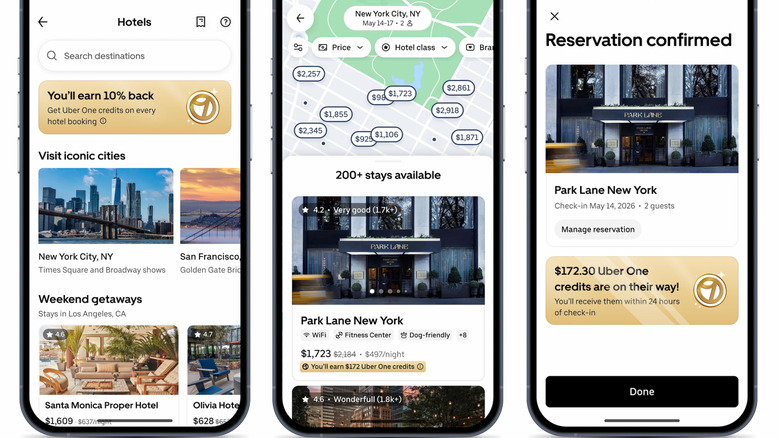
The hotel booking feature in Uber's app provides users with access to a wide selection of properties ranging from budget-friendly options to luxury accommodations. The platform displays detailed information about each property, including high-quality images, guest reviews, amenities, pricing details, and real-time availability. Users can filter search results by various criteria such as price range, star rating, distance from a specific location, or special amenities to find properties that best match their needs and preferences.
Industry analysts suggest that this expansion represents Uber's recognition of the importance of creating an integrated travel platform that captures more of users' spending during their journeys. Travel represents a significant portion of consumer spending, and by controlling multiple aspects of the travel experience, Uber can increase its share of customers' travel budgets. This approach also generates valuable data about user preferences and travel patterns that can inform future service offerings and marketing strategies.
The timing of this rollout aligns with broader industry trends toward consolidation and platform integration. Major travel companies and tech firms have long recognized that bundling services creates stickiness and increases customer lifetime value. By enabling users to book hotels through Uber, the company joins competitors like Google, which has integrated hotel booking into its search results and Maps application, demonstrating the viability of this business model.
For hotels and accommodation providers, partnership with Uber's booking platform offers significant advantages in terms of visibility and access to a massive user base. Uber's app reaches millions of daily active users across numerous countries, providing participating hotels with substantial marketing exposure. This distribution channel enables smaller and mid-sized hotels to compete more effectively with large chains by gaining prominence on a major travel platform.
The feature rollout demonstrates Uber's commitment to becoming more than just a transportation company. Over the past several years, the company has invested heavily in developing adjacent services that complement its core ride-sharing business. These ventures extend into food delivery, grocery shopping, rental cars, and now accommodation services, creating a comprehensive digital ecosystem for consumer needs.
Users can access the hotel booking service directly from the main Uber app interface, where a new dedicated section provides easy navigation to accommodation options. The booking process has been streamlined to mirror the simplicity and efficiency that users expect from Uber's core services. After selecting a hotel and entering required information, users can complete their reservation using their existing Uber payment methods, adding convenience to the transaction.
The integration of hotel booking raises interesting questions about how Uber will differentiate itself in the highly competitive online travel agency market. Established players like Booking.com, Expedia, and Airbnb have spent years building sophisticated search algorithms, customer review systems, and partnerships with properties worldwide. Uber's entry into this space leverages its existing customer relationships and payment infrastructure rather than competing on accommodation inventory alone.
Looking forward, industry observers anticipate that Uber may continue expanding its travel and lifestyle offerings based on customer demand and market opportunities. Potential additions could include travel insurance options, activity booking, restaurant reservations, or other services that complement core travel needs. The company's ability to execute on these expansions while maintaining service quality will be crucial to its success in becoming a dominant player in the broader travel ecosystem.
This strategic expansion reflects how technology companies are reshaping consumer behavior by creating integrated platforms that simplify decision-making and transaction processes. Rather than visiting separate apps and websites for different travel needs, users increasingly expect to find comprehensive solutions within a single interface. Uber's hotel booking feature acknowledges this shift in consumer preferences and positions the company to capture additional revenue streams from its loyal user base while enhancing the overall value proposition of its platform.
Source: Engadget


