
UK Aims to Protect 6 Threatened Bird Species by Limiting Hunting

New proposals aim to restrict hunting of woodcocks, pintail ducks, and other declining British wild birds to aid population recovery efforts.
In a move to safeguard the future of several threatened British wild bird species, new proposals have been introduced to restrict hunting and shooting of select species. The list of protected birds includes the iconic woodcock, as well as the distinctive pochard, pintail, and goldeneye ducks, all of which have seen sharp declines in their populations in recent years.
The proposed restrictions aim to halt the worrying trend of declining numbers for these rare and beautiful bird species. Hunters will be banned from targeting these protected birds under the new regulations, which wildlife advocates hope will provide a much-needed boost to their struggling populations.
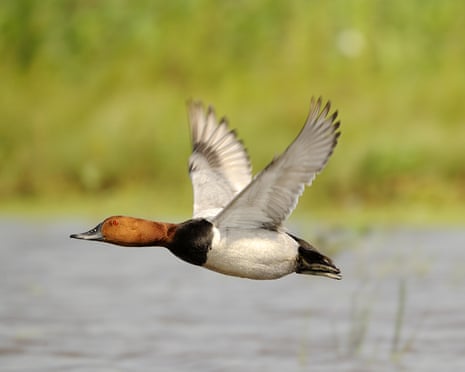
The woodcock, known for its striking plumage and unique flight patterns, is one of the species that will benefit from the increased protections. This elusive bird has faced significant challenges, with its numbers dropping precipitously in recent times.
Similarly, the pochard, pintail, and goldeneye ducks have all seen their populations decline, making them high priorities for conservation efforts. These waterfowl species are beloved for their striking appearances and important roles in wetland ecosystems.
By limiting hunting and shooting of these threatened species, wildlife authorities hope to give them a better chance at recovery and population growth. The new proposals reflect an increasing recognition of the need to protect vulnerable wildlife in the face of various environmental challenges.
Conservationists have welcomed the move, stating that it is a crucial step in safeguarding the long-term future of these iconic British wild birds. As the proposals are implemented, researchers and birdwatchers will closely monitor the impact on the targeted species, hoping to see their numbers begin to rebound in the coming years.
The restrictions on hunting and shooting represent a significant shift in the approach to wildlife management in the UK, prioritizing the preservation of threatened species over recreational activities. This decision underscores the growing recognition of the importance of biodiversity and the need to take decisive action to protect vulnerable populations.
Source: The Guardian


