
UK and US Datacentres Consume 6% of Electricity

Research reveals datacentres use 6% of UK and US electricity, with AI driving 15% global energy surge in two years, sparking community backlash.
Datacentres consuming electricity at unprecedented rates have become a critical infrastructure concern across the developed world. According to recent industry research, these massive facilities are now responsible for approximately 6% of the total electricity supply in both the United Kingdom and United States, representing a significant and growing portion of national energy grids. This substantial consumption has sparked considerable debate about the sustainability of current technological expansion and the environmental implications of powering artificial intelligence systems globally.
The International Data Center Association (IDCA) has released alarming findings regarding the energy demands of modern datacentres. The organization reports that global energy consumption driven by AI and related technologies has surged 15% worldwide over the past two years alone. This dramatic increase underscores the accelerating power requirements needed to support cutting-edge AI applications, cloud computing services, and the vast digital infrastructure that modern society depends upon daily.
With annual global investment in datacentres approaching $1 trillion—equivalent to approximately £740 billion—the sector now accounts for nearly 1% of the entire global economy. This staggering figure demonstrates the scale and significance of datacentre infrastructure in contemporary global markets. The investment surge reflects both the critical importance of these facilities and the competitive landscape driving companies to expand their computational capacity rapidly.
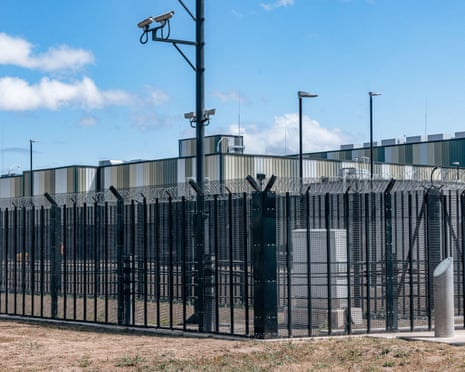
AI-driven energy demand has emerged as a primary factor behind this escalating trend. As artificial intelligence applications become increasingly sophisticated and widespread—from large language models to real-time data processing—the computational power required to maintain these systems continues to escalate dramatically. Major technology companies are racing to expand their datacentre capacity to support their AI initiatives, leading to intensified competition for land, power resources, and cooling infrastructure.
The environmental and infrastructural challenges posed by rising datacentre electricity consumption have not gone unnoticed by communities and environmental advocates. Local populations in areas hosting large datacentre operations are beginning to voice concerns about the strain these facilities place on regional power grids and water resources. The construction of new datacentres, particularly those designed for AI workloads, often requires significant infrastructure development and can impact local utility systems.
Community resistance is emerging as a notable consequence of the rapid datacentre expansion. Residents in regions targeted for new facility construction are increasingly organizing to raise awareness about potential negative impacts, including grid reliability concerns, water usage for cooling systems, and environmental consequences. This grassroots opposition represents a potential societal backlash against unchecked technological expansion without adequate consideration of local environmental and infrastructure constraints.
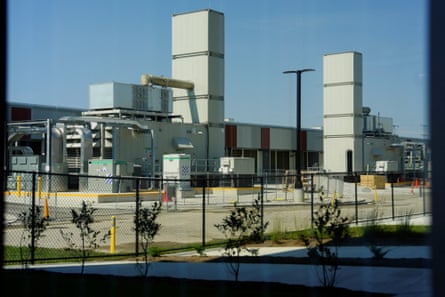
The UK and US electricity infrastructure faces particular pressure from datacentre growth. Both nations are experiencing rapid expansion of AI-related computing facilities, with tech giants establishing major operational hubs to serve their global operations. The 6% electricity consumption figure represents a substantial share of national power resources, raising questions about grid stability and the capacity of existing infrastructure to support continued growth in this sector.
Energy efficiency improvements are becoming increasingly important as datacentres attempt to address sustainability concerns. Many operators are investing in advanced cooling technologies, renewable energy sources, and more efficient hardware to reduce per-unit power consumption. However, experts note that efficiency gains are often outpaced by the rapid growth in overall computational demand, creating a challenging dynamic for the industry.
The warning issued by the IDCA and industry bodies represents an important acknowledgment that current trajectories may be unsustainable without significant intervention. Policymakers, technology companies, and infrastructure planners are beginning to grapple with the reality that datacentre expansion cannot continue indefinitely without careful consideration of energy supply limitations and environmental impacts. Strategic planning and investment in renewable energy infrastructure will likely become essential requirements for future datacentre development.
The convergence of AI technology expansion and energy consumption concerns creates a complex policy challenge for governments worldwide. Balancing the societal benefits of artificial intelligence innovation with the environmental and infrastructural costs requires thoughtful dialogue among stakeholders. Several nations are now developing comprehensive datacentre policies that address both industrial growth and sustainability objectives simultaneously.
Looking forward, the trajectory of datacentre energy usage will likely remain a critical issue in technology policy debates. The 15% global growth rate over two years, if sustained, would result in increasingly severe pressure on electricity grids and environmental systems. Industry observers suggest that without proactive measures, community resistance could escalate, potentially impeding future expansion plans and forcing companies to seek alternative locations for new facilities.
The relationship between technological progress and environmental sustainability has become impossible to ignore in the context of datacentre development. As societies become more dependent on AI and cloud-based services, the underlying infrastructure supporting these technologies must be carefully managed and upgraded. The coming years will likely see intensified efforts to develop more sustainable approaches to datacentre operations, including distributed computing models and greater investment in clean energy resources dedicated specifically to powering these facilities.
Source: The Guardian


