
UK Banks Unite to Build Domestic Payment System

British banking chiefs plan alternative to Visa and Mastercard amid concerns over US control of payment networks under Trump administration.
In an unprecedented move that signals growing concerns about financial sovereignty, senior executives from Britain's leading banks are preparing to convene their inaugural meeting to discuss the creation of a domestic payment system. This strategic initiative represents a significant shift in the UK's approach to payment infrastructure independence, driven by mounting anxieties over potential disruptions from US-controlled networks.
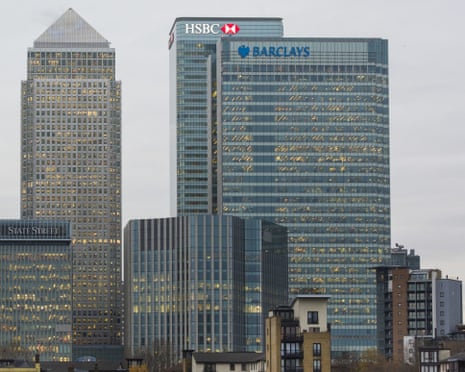
The landmark gathering, scheduled for this Thursday, will be orchestrated by Vim Maru, Barclays' UK chief executive, who has emerged as a key figure in spearheading this national financial initiative. The meeting brings together an influential consortium of City financiers and banking leaders who are committed to establishing the foundational framework for a UK payment system that could serve as a viable alternative to the dominant American networks.
This groundbreaking development comes at a time when concerns about Donald Trump's potential influence over critical financial infrastructure have reached new heights among British financial institutions. The former president's history of using economic leverage as a diplomatic tool has prompted serious discussions about the vulnerabilities inherent in relying heavily on US-owned payment processing systems for the UK's economic operations.
The proposed domestic payment network would represent a fundamental restructuring of how financial transactions are processed within the United Kingdom. Currently, the vast majority of card payments and electronic transactions flow through systems controlled by Visa and Mastercard, both American corporations that could theoretically be subject to US government directives or sanctions that might not align with British interests.
Industry experts suggest that this initiative reflects broader global trends toward financial decoupling and the desire for greater economic autonomy. The European Union has similarly explored alternatives to US-dominated financial systems, particularly in the wake of various international sanctions regimes that have highlighted the extent of American influence over global financial flows.
The timing of this meeting is particularly significant, occurring during a period of heightened geopolitical tensions and uncertainty about future US-UK relations. Banking leaders have privately expressed concerns that a future Trump administration might be more willing to use financial infrastructure as a tool of foreign policy, potentially disrupting the smooth operation of the UK's payment systems.
The consortium of City funders backing this initiative represents some of the most powerful financial institutions in Britain. Their willingness to invest in developing an alternative payment system underscores the seriousness with which they view the potential risks of continued dependence on American-controlled networks. The financial commitment required for such an undertaking is substantial, involving not only the initial development costs but also the ongoing operational expenses of maintaining a competitive payment processing system.
Technical challenges associated with creating a new payment network are considerable, requiring sophisticated infrastructure, robust security measures, and widespread merchant adoption. The new system would need to compete with established networks that have decades of experience and extensive global reach. However, supporters argue that focusing initially on domestic transactions could provide a more manageable starting point for the venture.
The strategic implications of this initiative extend beyond immediate concerns about US political interference. A successful domestic payment system could enhance the UK's position as a global financial center while reducing transaction costs for British businesses and consumers. It could also provide greater data sovereignty, ensuring that sensitive financial information remains within UK jurisdiction.
Regulatory considerations will play a crucial role in the development of any new payment system. The Bank of England and the Financial Conduct Authority will need to provide clear guidance on compliance requirements and operational standards. The regulatory framework will need to balance innovation with consumer protection and systemic stability.
Market analysts suggest that the success of such an initiative will largely depend on achieving critical mass adoption among both merchants and consumers. Historical attempts to challenge established payment networks have often struggled with the chicken-and-egg problem of needing widespread acceptance to attract users while requiring a large user base to encourage merchant participation.
The competitive landscape for payment processing has evolved significantly in recent years, with the emergence of fintech companies and digital payment solutions creating new opportunities for alternative networks. This changing environment may provide a more favorable context for launching a new payment system than would have existed in previous decades.
International precedents exist for successful domestic payment systems, with countries like China developing their own networks that have achieved significant market penetration. However, the UK market presents unique challenges, given its mature financial ecosystem and established consumer habits around existing payment methods.
The potential impact on Visa and Mastercard operations in the UK represents a significant consideration for both companies. These networks have invested heavily in their British operations and maintain substantial market shares that they will likely seek to defend against new competition. Their response to this initiative could shape the competitive dynamics of the emerging payment landscape.
Consumer benefits from increased competition in payment processing could include lower transaction fees, improved service quality, and enhanced privacy protections. However, the transition period during which multiple systems operate simultaneously could create temporary complexity for both merchants and consumers.
The broader implications of this initiative extend to questions of economic sovereignty and the balance between global integration and national autonomy. As digital payments become increasingly central to economic activity, control over payment infrastructure becomes a matter of strategic importance for national governments.
Security considerations will be paramount in developing any new payment system, particularly given the sophisticated cyber threats facing financial infrastructure. The system will need to incorporate state-of-the-art security measures while maintaining the speed and reliability that users expect from modern payment networks.
The timeline for implementing such a comprehensive payment system remains unclear, with industry experts suggesting that full deployment could take several years. The complexity of building the necessary infrastructure, obtaining regulatory approvals, and achieving market adoption requires substantial planning and coordination among multiple stakeholders.
This Thursday's meeting represents just the beginning of what promises to be a lengthy and complex process. The outcomes of these discussions will likely shape the future of payment processing in the United Kingdom and could influence similar initiatives in other countries seeking greater independence from US-controlled financial systems.
Source: The Guardian


