
UK Blocks Far-Right Activists Ahead of Tommy Robinson Rally

Eleven foreign far-right activists banned from UK as PM Starmer condemns Tommy Robinson. Archbishop of Canterbury calls for hope amid security concerns.
In a significant security measure ahead of a major rally expected to draw substantial crowds, the United Kingdom has prevented eleven far-right activists from entering the country. The decision comes as Prime Minister Keir Starmer intensified his criticism of Tommy Robinson, accusing the controversial figure of systematically "peddling hatred and division" across British communities. The barring of international extremists underscores growing government concern about the influence and reach of Robinson's movement within the UK.
The timing of these deportations and entry bans coincides with preparations for a significant Tommy Robinson rally scheduled for Saturday, marking the second major gathering of his supporters in as many years. The scale of public interest in Robinson's events became evident during the previous demonstration, which attracted more than 100,000 attendees and generated widespread debate about free speech, extremism, and public order in modern Britain. Authorities have been working to prevent a repeat of similar numbers while maintaining the balance between allowing lawful protest and preventing potential disorder.
Beyond political figures, religious leaders have joined the conversation, with the Archbishop of Canterbury making an impassioned plea for citizens to "choose hope" rather than embrace divisive ideologies. This intervention represents a notable moment of moral leadership from the Church of England's highest-ranking figure, reflecting deep concern within faith communities about the societal impact of extremist movements. Multiple faith leaders have coordinated statements ahead of Saturday's event, emphasizing values of unity, compassion, and respect for human dignity across different communities.
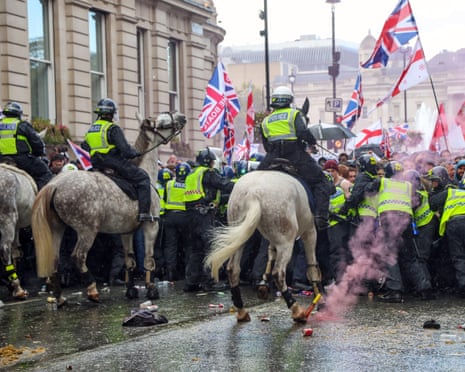
The government ban on foreign activists represents a hardening of Britain's stance on international extremist networks attempting to gain influence within the country. Immigration officials utilized national security provisions to refuse entry to individuals deemed to pose a threat to public order or national security. Each of the eleven blocked individuals had demonstrated involvement with far-right organizations and ideologies across their respective countries, and their planned participation in the rally was viewed as potentially inflammatory.
Tommy Robinson, whose real name is Stephen Yaxley-Lennon, has maintained a prominent presence in British far-right politics despite multiple legal challenges and convictions. His ability to mobilize supporters continues to draw attention from security services, political leaders, and civil society organizations concerned about the normalization of extremist rhetoric. The upcoming rally represents both a test of public sentiment and a demonstration of his continued organizational capacity, even as mainstream political and religious institutions distance themselves from his message.
The rally security measures implemented by Metropolitan Police and other authorities will be among the most extensive in recent years, with extensive planning undertaken to prevent clashes between supporters and counter-protesters. Traffic diversions, controlled cordons, and additional officer deployment are expected across central London during the Saturday event. Intelligence services have been monitoring communications among activist networks to anticipate potential flashpoints or violent incidents that could emerge during the gathering.
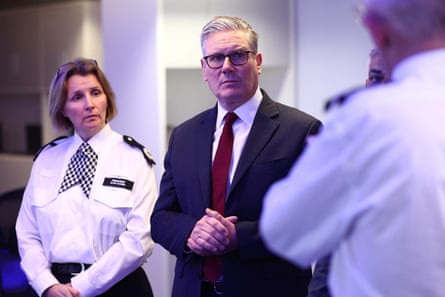
Prime Minister Starmer's direct condemnation of Robinson carries significant weight, positioning the government firmly against the activist's ideology and methods. The PM's language—specifically characterizing Robinson's influence as one of "hatred and division"—reflects official determination to delegitimize extremist narratives within public discourse. This rhetorical positioning complements practical security measures, creating a multi-layered approach to addressing the challenges posed by organized far-right activity.
The Archbishop of Canterbury's call to "choose hope" speaks to a broader concern within British institutions about social cohesion and the appeal of divisive ideologies during periods of economic and social uncertainty. Religious leaders recognize that extremist movements often gain traction by offering simple answers to complex problems and scapegoating vulnerable populations. By emphasizing hope and inclusive values, faith communities are attempting to provide alternative narratives that address legitimate grievances while rejecting discriminatory solutions.
Historical context reveals that large-scale far-right demonstrations in Britain have occasionally escalated into public order issues, with counter-protesters sometimes engaging in confrontations with rally participants. The 100,000-plus attendance at the previous Tommy Robinson event exceeded many official estimates and demonstrated the substantial base of support that exists for his political message. Authorities have clearly learned lessons from that demonstration and are implementing enhanced measures to prevent disorder while respecting lawful protest rights.
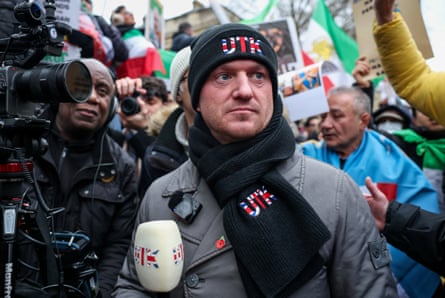
The international dimension of this security operation highlights how far-right extremism has become increasingly transnational, with networks operating across multiple countries and sharing strategies, rhetoric, and personnel. The blocking of foreign activists prevents the injection of international expertise and potentially radical elements that could escalate tensions. This approach reflects growing recognition among European democracies that coordinated responses to extremist movements are necessary in an interconnected world.
Civil liberties organizations and free speech advocates have raised questions about the scope of entry bans and whether they might set precedents affecting other categories of protest or political activism. However, government officials argue that the specific threat posed by individuals with documented extremist affiliations justifies the security measures. This tension between security imperatives and civil liberties protections represents an ongoing challenge for liberal democracies managing political extremism.
The broader political landscape suggests that Tommy Robinson continues to represent a significant phenomenon within British populism, with supporters drawn from various demographics frustrated with establishment parties and institutions. Understanding the motivations and grievances of his followers has become increasingly important for policymakers, researchers, and community leaders attempting to address underlying causes of extremist appeal. Simply restricting rallies or banning activists, while necessary from a security perspective, does not resolve the underlying social factors that fuel support for such movements.

The coordination between government agencies, law enforcement, and religious institutions in responding to Saturday's rally demonstrates institutional capacity to manage significant political challenges. However, the continued need for such coordinated security responses also reflects persistent tensions within British society regarding immigration, identity, and social change. These tensions are unlikely to disappear regardless of individual rally outcomes, suggesting that longer-term strategies addressing root causes of extremist recruitment remain essential.
As Britain approaches the Saturday rally, the combination of activist entry bans, enhanced policing, and moral leadership from religious figures represents a comprehensive institutional response to far-right activism. The outcome of the event and any incidents that may occur will likely influence future government and police approaches to managing similar demonstrations. Ultimately, addressing the appeal of extremist movements requires sustained engagement with communities, transparent dialogue about legitimate grievances, and compelling alternative narratives that emphasize shared values and mutual respect.
Source: The Guardian


