
UK Borrowing Costs Surge to 28-Year Peak

Long-term UK government bond yields reach highest levels since 1998, threatening fiscal plans amid economic uncertainty and rising energy costs.
The United Kingdom's long-term borrowing costs have reached their highest levels in nearly three decades, signaling growing investor concerns about the nation's economic trajectory and fiscal sustainability. The sharp increase in government bond yields represents a significant development that will have far-reaching implications for the Treasury's budgetary planning and economic policy framework.
The yield on 30-year UK government bonds, commonly referred to as gilts, climbed to 5.76% during midday trading on Tuesday, marking a substantial increase of 0.11 percentage points. This level surpasses the 27-year high that was previously recorded during the turbulent market conditions of last autumn, indicating a notable deterioration in market sentiment regarding long-term UK sovereign debt. The movement reflects a broader reassessment of risk in the gilt market and raises important questions about the sustainability of government financing costs.
Several interconnected factors have contributed to this significant rise in gilt yields and borrowing costs. Rising energy and fuel prices have emerged as a primary driver, intensifying inflationary pressures across the broader economy and raising questions about the Bank of England's inflation-fighting strategy. Simultaneously, concerns about political stability and the government's ability to manage its fiscal position have weighed heavily on investor sentiment. These concerns have created a perfect storm of negative sentiment in financial markets, prompting investors to demand higher yields as compensation for the perceived increase in risk.

The implications of these elevated borrowing costs are particularly significant for Chancellor of the Exchequer Rachel Reeves and her fiscal strategy. Higher yields directly translate into increased borrowing costs for the UK government, which will progressively erode the fiscal headroom that policymakers have carefully calculated into their medium-term spending plans. This squeeze on available funds could force difficult choices regarding public spending priorities, tax policy, or deficit reduction targets that have already been established in recent budget announcements.
The 30-year gilt market is especially important because it directly influences the long-term financing requirements of the government and sets expectations for sustained economic conditions over the coming decades. When yields on these bonds spike dramatically, it suggests that financial markets believe either inflation will remain persistently elevated or that government finances are becoming increasingly unsustainable. Either scenario poses challenges for the Treasury's carefully constructed fiscal framework, which assumes certain baseline conditions for growth, inflation, and interest rates.
This development also carries broader implications for the entire UK financial system and the real economy. Higher long-term interest rates typically feed through to increased mortgage rates, business borrowing costs, and pension fund valuations. Consumers facing higher mortgage payments and businesses grappling with increased borrowing costs may reduce spending and investment, potentially weighing on economic growth prospects. The interconnected nature of modern financial markets means that adverse movements in gilt yields can rapidly propagate throughout the economy, affecting household finances and corporate investment decisions.
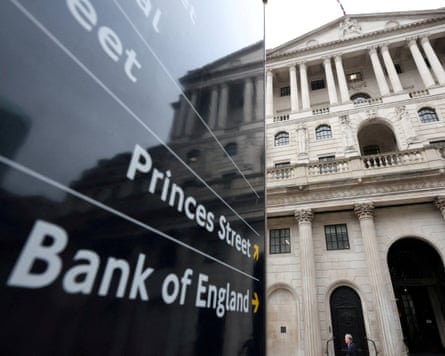
Energy and fuel price volatility has played a particularly important role in driving recent gilt yield movements. The persistent elevation of energy costs, whether due to geopolitical tensions, supply chain disruptions, or structural shifts in global energy markets, continues to fuel inflationary pressures that threaten the Bank of England's price stability mandate. Central banks around the world have emphasized their commitment to maintaining price stability, but investors appear skeptical about the ability of existing policy tools to adequately contain inflation over the medium term.
Political stability concerns have also weighed substantially on market sentiment regarding UK sovereign debt. Questions about the government's ability to deliver on its policy commitments, maintain social cohesion, and manage potential economic shocks have prompted investors to reassess their exposure to UK assets. This reassessment manifests in higher yields demanded for long-term government borrowing, effectively a vote of no-confidence in the government's economic management from financial markets.
The comparison to the previous peak reached in autumn of the previous year is instructive, as it suggests that current conditions may be viewed as even more challenging by investors than those turbulent months were. The fact that yields have exceeded that level indicates a meaningful deterioration in the outlook, whether real or perceived. This pattern suggests that the underlying concerns driving higher yields are not temporary or cyclical, but rather structural in nature, warranting sustained policy attention.
The trajectory of UK government bond yields will likely remain a critical focus for policymakers, economists, and financial market participants in the coming weeks and months. The level of yields observed on Tuesday suggests that significant work remains to restore investor confidence in the sustainability of UK public finances and the government's commitment to fiscal responsibility. Any further deterioration could necessitate policy adjustments or announcements designed to stabilize market sentiment and prevent a self-reinforcing cycle of higher yields.
Looking forward, the Chancellor and Treasury officials will need to carefully navigate the challenge of maintaining fiscal credibility while managing competing economic demands. The higher borrowing costs evident in gilt markets will directly impact the government's debt servicing costs and reduce the fiscal space available for new initiatives or tax cuts. This constraint will shape the range of policy options available to decision-makers and will likely dominate economic policy discussions in Westminster.
The reach of 28-year highs in UK borrowing costs underscores the importance of maintaining market confidence in government finances and demonstrates how quickly investor sentiment can shift in response to economic headwinds and political uncertainty. The Treasury's response to these market developments, combined with broader economic trends, will be instrumental in determining whether yields stabilize at current elevated levels or continue on an upward trajectory that could further constrain the government's policy options and fiscal flexibility.
Source: The Guardian


