
UK Butterflies Facing Alarming Declines, Long-Term Data Reveals

New analysis of the world's largest insect monitoring scheme shows over half of Britain's native butterfly species are in decline, signaling an ecological crisis.
The results of the world's largest insect monitoring scheme paint a troubling picture for Britain's butterfly populations. According to the latest data collected since 1976, more than half of the 58 native butterfly species in the UK have seen their numbers decline over the past several decades.
The long-term monitoring efforts have recorded over 44 million individual butterfly sightings, providing a comprehensive look at the health of these important pollinator populations. The data reveals that 33 out of the 58 species have declined, while only 25 have seen increases in their numbers.
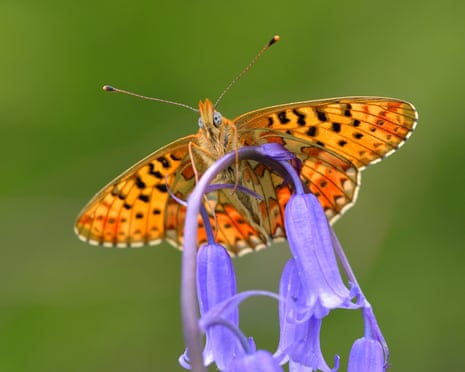
While some species have benefited from the effects of warmer weather, many butterflies that rely on specific plants or habitats have struggled to adapt to the rapidly changing environment. This loss of butterfly diversity is a concerning sign of the broader insect decline impacting ecosystems worldwide.
"Insectageddon" - the term coined to describe the alarming rate of insect population collapse - has not yet occurred, according to the researchers. However, the data clearly shows a significant loss of butterfly biodiversity over the past half-century.
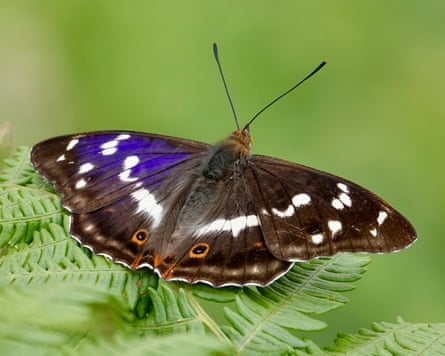
Experts attribute the declines to a variety of factors, including habitat loss, pesticide use, climate change, and other human-driven changes to the environment. Butterflies are considered important indicator species, as their sensitivity to environmental shifts makes them early warning signs of broader ecological issues.
The findings underscore the urgent need for conservation efforts to protect Britain's butterfly populations and the vital role they play in maintaining healthy, functioning ecosystems. Targeted interventions and policy changes will be crucial to reversing these alarming declines and preserving the country's natural biodiversity for future generations.
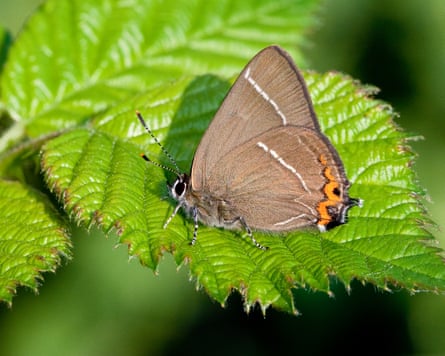
Source: The Guardian


