
UK Eases Russian Oil Sanctions Amid Fuel Crisis

Britain relaxes sanctions on Russian crude oil, permitting imports of jet fuel and diesel refined abroad. Conservative critics slam the move as economically reckless.
The United Kingdom government has taken a controversial step by relaxing its stringent sanctions on Russian crude oil, a decision that permits the importation of jet fuel and diesel that have been refined in third-party nations. This policy shift arrives during a period of heightened economic pressure and escalating fuel costs across the nation, raising significant concerns among political opposition members who have publicly condemned the measure.
A newly implemented trade licence officially came into effect on Wednesday, establishing a framework that allows these refined petroleum product imports to continue indefinitely into the foreseeable future. The government has committed to periodically reviewing this arrangement, though critics argue the extended timeframe represents a capitulation to market pressures rather than a principled approach to international sanctions policy. This licensing arrangement marks a notable departure from the UK's previously uncompromising stance on Russian energy resources.
The timing of this announcement proves particularly significant, coinciding with mounting global concerns regarding the reliability and stability of international fuel supplies. The situation has become increasingly precarious due to the effective blockade of the Strait of Hormuz, a critical chokepoint for global energy distribution, which emerged following the escalation of tensions between the United States and Israel against Iran. This geopolitical crisis has created genuine supply chain vulnerabilities that energy security experts have warned could destabilize markets across Europe and beyond.
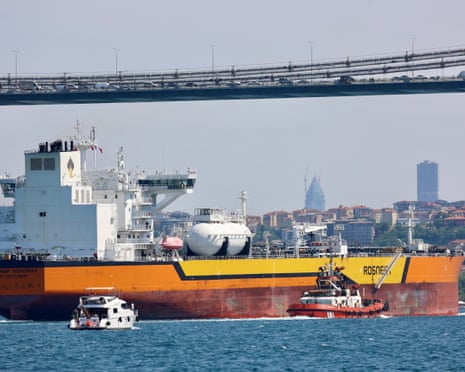
Conservative Party members have been notably vocal in their opposition to this policy reversal, with multiple senior figures denouncing the decision as economically misguided and strategically short-sighted. The criticism centers on the argument that relaxing Russian energy sanctions undermines the collective Western response to geopolitical aggression and sends contradictory messages regarding Britain's commitment to maintaining unified pressure on Moscow. Several prominent Tory voices have characterized the move as "insane," suggesting it represents an abandonment of previously established principles regarding Russia's international behavior.
The underlying rationale for the government's decision appears rooted in practical economic considerations rather than ideological alignment with Russian interests. Officials have pointed to the substantial price increases that British consumers and businesses have faced, particularly in the aviation and transportation sectors where fuel costs represent significant operational expenses. The strain on household budgets and commercial competitiveness has created political pressure to explore alternative sourcing strategies that might alleviate immediate financial burdens.
Industry analysts have offered varying assessments of this policy change and its potential implications. Some energy market observers contend that the refined fuel imports from third countries represent a pragmatic response to genuine supply constraints, particularly given the Hormuz blockade's continued impact on traditional distribution channels. Others argue that this approach merely provides temporary relief while failing to address underlying structural vulnerabilities in the UK's energy security infrastructure and strategic dependence on petroleum-based products.
The geopolitical context surrounding this announcement cannot be overlooked, as the Strait of Hormuz represents one of the world's most strategically vital maritime passages. Through this narrow waterway flows approximately one-third of the world's traded petroleum, making any disruption to traffic through the strait a matter of global economic significance. The de facto blockade resulting from elevated US-Israeli tensions with Iran has already created ripple effects across international energy markets, prompting governments worldwide to reassess their energy sourcing strategies and consider previously unthinkable alternatives.
The decision to permit imports of Russian-origin fuels refined elsewhere raises complex questions about the effectiveness of international sanctions regimes and their enforcement mechanisms. By importing refined products rather than crude oil directly, the UK technically adheres to the letter of existing sanctions while arguably circumventing their intended spirit. This approach mirrors tactics employed by other nations seeking to maintain energy access while nominally respecting international restrictions, effectively creating a gray area in sanctions compliance.
Public reaction to the policy change has been mixed, with different segments of society prioritizing different concerns. Cost-conscious consumers and struggling businesses view the measure as a necessary pragmatism that might help stabilize prices and improve affordability. Meanwhile, those advocating for strict adherence to sanctions and principled foreign policy positions have expressed dismay at what they perceive as a retreat from ethical consistency in international relations.
The government's commitment to periodic review of this trade licence provides a mechanism for reassessment as circumstances evolve. Officials suggest that should supply conditions improve or geopolitical tensions diminish, the policy could be adjusted accordingly. However, critics question whether establishing an indefinite import regime makes reversal politically and economically feasible once industries and supply chains adapt to the new arrangement.
Looking forward, this decision will likely influence broader discussions regarding Britain's energy independence and long-term strategic planning for fuel security. The episode underscores the tension between maintaining principled stances on international affairs and addressing immediate practical pressures facing governments. As global energy markets continue experiencing volatility and uncertainty, policymakers across the developed world face increasingly difficult choices about balancing ethical commitments with economic realities and supply chain resilience.
Source: The Guardian


