
UK Eurovision Struggles: Why Britain Keeps Missing the Mark

Explore why the UK has faced consecutive Eurovision failures and what the BBC must change to compete successfully in 2027.
The United Kingdom's relationship with the Eurovision Song Contest has become increasingly fraught in recent years, marked by a string of disappointing performances and remarkably low scores from international voters. After four consecutive years of underwhelming results that have left British audiences frustrated and questioning their country's approach to the continent's most prestigious song competition, the BBC faces mounting pressure to fundamentally reassess its strategy before the 2027 contest. The iconic phrase "Look Mum, one point," which has become shorthand for Britain's Eurovision embarrassments, encapsulates the frustration felt by viewers who remember a time when the United Kingdom was a genuine contender on the European stage.
The UK's recent Eurovision Song Contest performances have been characterized by a disconnect between domestic expectations and international reception. Over the past four years, British entries have consistently finished near the bottom of the leaderboard, receiving minimal points from juries and televoting audiences alike. This stark contrast to the country's historical standing in the competition reveals a deeper problem: the selection process, song choices, and overall approach have become misaligned with what contemporary Eurovision audiences actually want to hear and see on stage. The BBC's method of choosing representatives and developing their entries requires comprehensive examination and potential overhaul.
Understanding why Eurovision voting has turned against British entries requires examining what makes successful Eurovision performances in the modern era. The competition has evolved significantly over the past decade, with voting blocs, strategic alliances, and social media influence playing increasingly important roles in determining outcomes. Countries that excel at Eurovision typically do so by combining authentic cultural representation with a sophisticated understanding of contemporary music trends, visual spectacle, and emotional connection with audiences. Britain's recent entries have often fallen short in one or more of these critical dimensions, resulting in the mortifying vote counts that have become all too familiar.
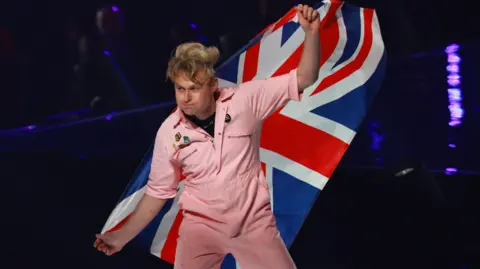
The BBC's selection methodology has come under particular scrutiny following these disappointing results. Unlike some other major Eurovision participants, the British broadcaster has experimented with various approaches to choosing their representative, from internal selection to televised competitions. However, none of these methods have successfully identified entries that resonate with the broader Eurovision electorate. The organization must consider whether it's prioritizing domestic appeal over international competitiveness, or whether the fundamental quality of submissions is simply not meeting the standard required to compete effectively against other nations' carefully curated entries.
One critical factor in recent British Eurovision failures has been the apparent mismatch between what the BBC believes will appeal to European audiences and what those audiences actually respond to. The contest has increasingly favored entries that demonstrate emotional depth, cultural authenticity, and innovative presentation rather than polished pop confections designed primarily for radio airplay. British entries have sometimes felt like songs that were rejected from the domestic charts being repurposed for Eurovision, rather than specially crafted compositions designed to make an impact on the competition's unique platform.
The Eurovision voting system itself presents another challenge that British representatives must navigate. The dual system combining jury scores and public televoting means that entries must appeal to both professional musicians and casual television viewers across dozens of countries with vastly different cultural preferences and musical tastes. British entries have struggled to establish the kind of universal appeal that transcends these differences, instead producing songs that appeal primarily to existing British audiences or that attempt awkwardly to chase European trends without understanding them authentically.

Looking at successful Eurovision campaigns from other nations, certain patterns emerge that illuminate what the BBC should prioritize in future selections. Countries that consistently perform well tend to identify unique national characteristics that can be amplified and celebrated on the Eurovision stage, rather than trying to compete on generic mainstream pop credentials. They invest heavily in production values, visual design, and choreography that create memorable moments that transcend language barriers. They also often work with experienced Eurovision consultants and producers who understand the specific demands of the contest format.
The British music industry possesses tremendous talent and creative capability, making the recent Eurovision failures all the more puzzling and frustrating. The country has produced numerous internationally successful artists and songwriters who have topped charts globally, yet the BBC's Eurovision selections have consistently failed to tap into this reservoir of talent effectively. Whether due to logistical constraints, budget limitations, or simple bad luck in the selection process, the disconnect between Britain's domestic music industry prowess and its Eurovision competitiveness represents a significant challenge that requires strategic intervention.
International perception of British entries has also been influenced by factors beyond the music itself, including production design, staging, choreography, and the overall presentation package. Recent entries have occasionally suffered from production values that appeared dated or uninspired compared to competing nations' elaborate stage shows and visual concepts. In an era where Eurovision has become as much a visual spectacle as a musical competition, the aesthetic and production dimensions cannot be overlooked or treated as secondary considerations.

The BBC's path forward toward the 2027 Eurovision competition must begin with honest reflection about what has gone wrong and what needs to fundamentally change. This assessment should include comprehensive market research into how international audiences perceive British music and culture, analysis of voting patterns from previous contests, and strategic planning about how to position the UK competitively. The organization may need to invest more resources into the Eurovision campaign, engage international production expertise, and establish a more rigorous and inclusive selection process that prioritizes Eurovision-specific considerations alongside domestic commercial viability.
Potential solutions for improving British Eurovision performance could include establishing a dedicated Eurovision selection panel that includes international voting experts and Eurovision historians, commissioning new songs specifically written for the contest by established and emerging songwriters, and conducting extensive testing with international focus groups before final selections are made. The BBC might also benefit from studying the approaches taken by other traditionally successful Eurovision nations and adapting their methodologies to suit the British context. Additionally, greater investment in artist development and coaching specifically tailored to the Eurovision format could help prepare the British representative for the unique challenges of the competition.
The emotional and cultural stakes of Eurovision for British audiences should not be underestimated, as the competition has long served as a source of national pride and international cultural representation. The recent string of disappointing results has affected viewer engagement, with declining television ratings for Eurovision among British audiences reflecting broader frustration with the country's performance. Reversing this trend requires more than tactical adjustments; it demands a comprehensive reassessment of Britain's Eurovision philosophy and a genuine commitment to fielding entries that can compete with the strongest international submissions.

As the BBC contemplates the challenge ahead and begins preliminary planning for 2027, the opportunity exists to transform recent disappointments into valuable learning experiences. The Eurovision Song Contest remains an important cultural platform where musical quality, artistic vision, and national representation converge on a global stage. For Britain to reclaim its position as a serious Eurovision contender, the organization must be willing to challenge its assumptions, invest appropriately in the process, and ultimately select entries that represent the best of what British music and creativity can offer. The stakes are high, but the potential reward of seeing a British entry once again achieve significant Eurovision success would vindicate the effort and investment required to turn this situation around.
Source: BBC News


