
UK Faces Biggest Economic Hit as Iran War Escalates: IMF Warning

Chancellor Rachel Reeves arrives at IMF with limited options to disprove UK's status as G7's biggest economic loser from the Iran conflict.
The Iran war is proving to be a major setback for the global economy, but some countries are bearing the brunt more than others. According to the International Monetary Fund (IMF), the United Kingdom is poised to be the G7 nation hit the hardest by the unfolding conflict in the Middle East.
In its latest forecast, the Washington-based fund warned that the UK's economic growth rate is expected to be 0.5 percentage points lower this year than previously predicted back in January – the largest downgrade among the club of wealthy nations.
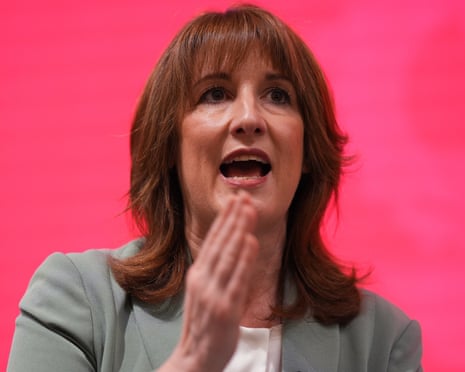
The news puts Chancellor Rachel Reeves in a difficult position as she arrives at the IMF headquarters, with limited leeway to prove the institution's assessment of the UK's economic outlook being wrong. The government is facing the challenge of navigating the fallout from the Iran war, which is expected to have a significant impact on the country's economic performance.
The IMF's grim outlook for the UK economy is largely due to the conflict's effect on oil prices and the broader disruption to global trade and supply chains. As the war continues to escalate, the fund warns that the world could be heading towards a global recession, further exacerbating the UK's economic woes.
Reeves and her team will need to find creative ways to mitigate the economic damage and prove the IMF's forecast wrong. The government's ability to cushion the blow and demonstrate resilience in the face of this global crisis will be crucial in determining the UK's economic trajectory in the coming year.
As the Iran war continues to unfold, the UK's economic fortunes will be closely watched by policymakers and analysts around the world. The chancellor's task of steering the country through this turbulent period is fraught with challenges, but the stakes are high for the UK to avoid becoming the G7's biggest economic loser.
Source: The Guardian


