
UK Glassmaker Closes Over Energy Crisis

Bristol Blue Glass shuts down due to soaring energy costs and tax pressures, raising concerns about UK manufacturing future.
Bristol Blue Glass, a historic glassmaker with deep roots in the southwest of England, has announced its closure, citing unsustainable energy costs and mounting tax burdens as the primary reasons for the difficult decision. The closure represents another significant blow to the UK manufacturing sector, which has faced mounting pressures from rising operational expenses and economic uncertainty in recent years.
The company's decision to cease operations comes at a time when energy prices across Europe have reached historic highs, with manufacturers bearing the brunt of these increases. For energy-intensive industries like glassmaking, where furnaces must operate continuously at extremely high temperatures, the financial impact has become untenable. Bristol Blue Glass joins a growing list of British manufacturers forced to shutter operations or drastically reduce production capacity due to these economic headwinds.
The glassmaking industry in the UK has long been vulnerable to external shocks, but recent developments have created a perfect storm of challenges. Beyond energy costs, the company highlighted how various tax obligations and regulatory requirements have compounded their financial difficulties. These factors have collectively eroded profit margins to the point where continuing operations is no longer viable.

Bristol Blue Glass was recognized for its traditional craftsmanship and high-quality glass products, which had been produced in the region for generations. The brand held a special place in British manufacturing heritage, representing the kind of specialized, skilled production that distinguishes the UK economy. The closure of such an iconic producer raises serious questions about the future viability of traditional manufacturing in Britain.
Industry experts have begun to warn that this closure could be emblematic of a larger trend affecting the UK's manufacturing base. When companies in energy-intensive sectors face substantially higher operating costs than their international competitors, they struggle to maintain profitability and competitiveness on the global stage. This competitive disadvantage threatens not only individual businesses but entire supply chains and the skilled workforce that depends on them.
The decision by Bristol Blue Glass underscores a critical tension in the current UK economic landscape. While policymakers grapple with energy security and fiscal responsibility, manufacturers are finding themselves squeezed between rising operational expenses and diminishing profit margins. The company's closure serves as a cautionary tale about what happens when industrial support mechanisms fail to keep pace with global market conditions.

Energy costs in the United Kingdom have become a defining issue for the manufacturing sector. The situation was exacerbated following geopolitical tensions that disrupted global energy markets, causing wholesale prices to spike dramatically. While energy prices have moderated somewhat from their peaks, they remain significantly elevated compared to pre-crisis levels, presenting a persistent challenge for energy-dependent producers.
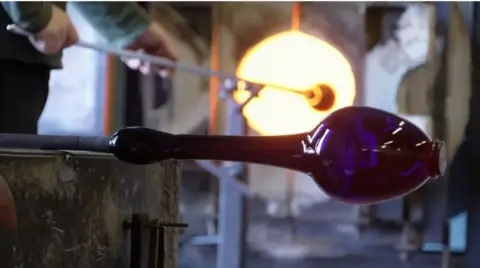
The glassmaking sector is particularly vulnerable to energy price fluctuations because furnaces cannot be easily turned off and restarted. Glass production requires continuous heat at temperatures exceeding 1700 degrees Celsius, meaning that energy consumption is essentially fixed regardless of market conditions. This inflexibility makes energy cost increases directly translate into reduced profitability with limited options for operational adjustments.
Bristol Blue Glass's closure also highlights broader concerns about the competitiveness of UK manufacturing in global markets. Many competing glassmakers in continental Europe and other regions benefit from more favorable energy pricing, government subsidies, or other policy supports that the UK has not extended to its manufacturers. This comparative disadvantage puts British producers in an increasingly difficult position.

The human impact of this closure cannot be understated. The plant's employees face job losses during a period of economic uncertainty, and the local community loses a significant employer. Beyond the immediate workforce, the supply chain of suppliers and service providers that depended on the glassmaker will also feel the effects of this closure.
The broader implications for UK industrial policy are substantial. Policymakers must confront difficult questions about what role government should play in supporting strategic manufacturing sectors. Should the UK implement subsidies or tax breaks for energy-intensive industries to maintain competitiveness? How can manufacturing remain viable when operating costs are structurally higher than in competitor nations? These are not easy questions, but they have become unavoidable.
Industry associations have called for urgent government intervention to address the energy cost burden on manufacturers. They argue that without targeted support measures, more closures are inevitable, and the UK risks losing critical manufacturing capabilities. These concerns have resonated with some policymakers, though translating concern into effective policy action has proven difficult.
The situation at Bristol Blue Glass also raises questions about industrial strategy and long-term planning. The UK has acknowledged the importance of maintaining a robust manufacturing base, yet specific mechanisms to support energy-intensive producers remain underdeveloped. This gap between stated priorities and actual support mechanisms has become increasingly apparent to struggling manufacturers.
Looking forward, the future of UK manufacturing will depend significantly on how effectively policymakers respond to challenges like those faced by Bristol Blue Glass. International comparisons suggest that countries maintaining competitive manufacturing sectors typically offer targeted support to energy-intensive industries. Whether the UK will implement similar measures remains an open question.
The closure of Bristol Blue Glass serves as a stark reminder that manufacturing viability depends on more than product quality or workforce skill. Operating in an environment where energy costs and taxes are structurally uncompetitive creates conditions where even well-established, quality producers cannot survive. As the UK considers its industrial future, the lessons from this closure warrant serious consideration by both government and industry leaders.
Source: BBC News


