
UK Inflation Climbs as Iran Conflict Drives Fuel Costs Higher

Latest UK inflation figures reveal rising prices following Iran tensions. Fuel costs surge, impacting household budgets and cost of living across Britain.
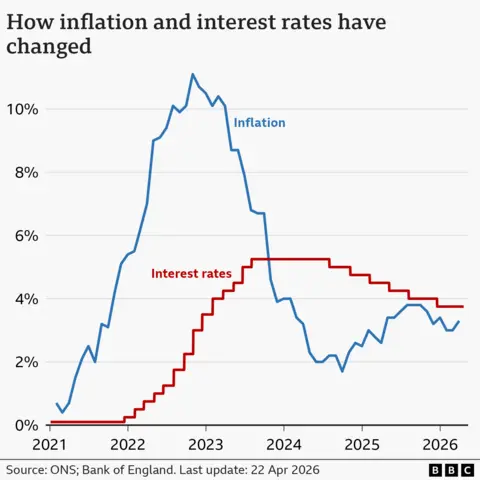
The latest UK inflation figures have revealed a concerning upward trend, with new data providing the first comprehensive assessment of how geopolitical tensions in the Middle East are translating into increased expenses for British households. The rise in inflation rates comes as international oil markets respond to escalating tensions involving Iran, creating ripple effects across the broader UK economy and raising concerns among policymakers and consumers alike.
Economic analysts have been closely monitoring the impact of Middle Eastern geopolitical events on global energy markets, and the newly released statistics confirm that these international developments are directly affecting British consumers at the pump and beyond. The fuel price increases documented in the latest figures represent a tangible consequence of the complex geopolitical situation, with petrol and diesel prices climbing in response to supply concerns and market uncertainty. This marks the first official measurement of how these international tensions have influenced domestic cost of living metrics for UK residents.
The inflation data encompasses multiple sectors beyond fuel prices, though energy costs have emerged as the primary driver of the overall increase. Households across the United Kingdom are experiencing noticeable changes in their weekly shopping bills and energy expenses, reflecting the broader economic consequences of global energy market volatility. The figures highlight how interconnected the British economy is with international oil supplies and how quickly external shocks can manifest in domestic price pressures.

Economists emphasize that the relationship between geopolitical instability and consumer prices demonstrates the vulnerability of developed economies to disruptions in global energy supplies. When tensions escalate in oil-producing regions like the Middle East, the immediate response in international markets is often a spike in crude oil prices, which subsequently filters through to retail fuel prices and eventually impacts the broader inflation landscape. The UK, as a nation that imports a significant portion of its energy requirements, is particularly susceptible to these external shocks.
The timing of these inflation figures is significant for the Bank of England and government policymakers, who must balance the need to control inflation with the understanding that some price pressures originate from factors beyond their direct control. Inflation management becomes considerably more complex when external geopolitical events contribute meaningfully to price increases, as traditional monetary policy tools may have limited effectiveness in addressing internationally-driven supply shocks. Officials are carefully analyzing whether the current inflationary pressures are temporary or represent a more persistent trend.
Consumer behavior experts note that rising fuel and energy prices often have psychological effects beyond their direct impact on household budgets. When consumers perceive that their cost of living is increasing due to factors seemingly outside their control, confidence in the economy can weaken, potentially affecting spending patterns across other sectors. This sentiment-driven aspect of inflation can be as important as the numerical figures themselves in determining overall economic health and consumer well-being.
The energy market volatility that has emerged from recent geopolitical developments has prompted calls from various stakeholders for more robust energy security strategies at the national level. Energy policy experts argue that reducing dependence on imported oil and accelerating investments in renewable energy sources could provide some insulation against future international price shocks. These discussions highlight the longer-term implications of the current inflationary episode for UK energy policy and sustainability goals.
Regional variations in how the inflation figures manifest across different parts of the UK may also warrant attention from policymakers and economists. Areas with longer commutes or greater reliance on car travel may experience the fuel price increases more acutely than urban centers with better public transportation options. Understanding these regional impacts is crucial for developing targeted policy responses that address hardship where it is most concentrated.
The latest inflation data also reflects the complex interplay between global commodity markets and domestic economic conditions. Crude oil prices, which are determined by international supply and demand dynamics, directly influence the retail prices that UK consumers face at the forecourt and in their home energy bills. The recent geopolitical tensions have introduced uncertainty into these markets, causing price volatility that makes economic forecasting and household budgeting more challenging for both businesses and families.

Financial advisors have noted an uptick in consultation requests from households seeking guidance on managing their budgets amid rising living costs. The combination of inflation pressures and economic uncertainty typically prompts consumers to reassess their spending priorities and explore ways to reduce their energy consumption and associated expenses. The psychological impact of rising prices often extends beyond immediate financial pressures to influence overall economic sentiment and consumer confidence measures.
Looking ahead, the trajectory of UK inflation rates will depend significantly on how the international situation develops and whether oil markets stabilize at current elevated levels or experience further volatility. Economists are divided on the likely duration of the inflationary effects, with some predicting temporary impacts that will fade as markets adjust and others warning of more persistent pressures if geopolitical tensions continue to escalate. The Bank of England's policy responses over the coming months will be heavily influenced by how these external factors are expected to evolve.
The broader context of this inflation increase includes the UK's ongoing economic recovery and the delicate balance policymakers must maintain between supporting growth and controlling price pressures. The emergence of externally-driven inflation, as opposed to demand-driven or domestically-sourced price increases, complicates this balancing act considerably. Policy decisions that might be appropriate in different circumstances could prove counterproductive if they inadvertently suppress economic activity while having limited impact on internationally-determined price pressures.
As households and businesses adjust to the new inflationary environment, the data from these latest figures will inform important decisions about wages, pricing strategies, and investment plans across the economy. Employers may face pressure to increase wages to maintain purchasing power for their workforces, which could create secondary inflationary effects if not carefully managed. The interplay between wage increases and price pressures represents another important dimension of how current events will shape the broader UK economy in the months ahead.
Source: BBC News


