
UK Inflation Falls to 2.8% as Energy Bills Drop

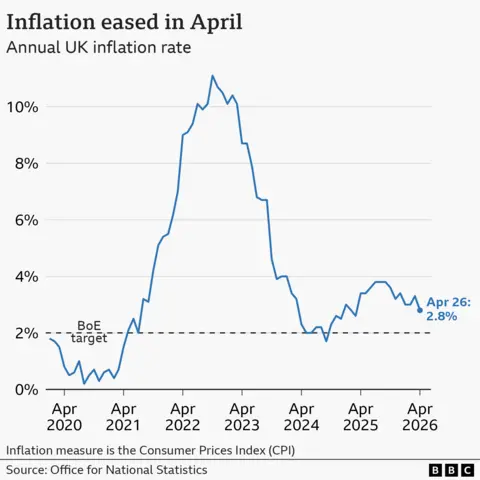
UK inflation rate declines to 2.8% driven by lower gas and electricity costs from government support and reduced wholesale prices amid geopolitical tensions.
The United Kingdom has experienced a significant decline in its inflation rate, which has fallen to 2.8 percent, marking a substantial improvement in the cost of living pressures that have burdened households across the nation. This notable decrease comes as a welcome relief to millions of British consumers who have struggled with elevated expenses over the past several months. The primary driver behind this encouraging economic development is the substantial reduction in energy prices, which have eased considerably from their previous peaks, providing breathing room in household budgets.
The decline in gas and electricity bills represents the most significant factor contributing to the improved inflation figures. These energy costs, which typically constitute a major portion of household expenditures, have become more manageable thanks to a combination of government intervention and changing market conditions. The government's comprehensive energy bill support package has played a crucial role in mitigating the burden on consumers, effectively subsidizing portions of energy costs to prevent further financial hardship. This strategic policy intervention demonstrates the government's commitment to addressing the cost of living crisis that has dominated economic discourse.
Beyond government support measures, wholesale energy prices have experienced a notable reduction from their previous elevated levels. These wholesale market fluctuations directly impact the retail prices consumers pay for their gas and electricity supply, making the recent decline in global energy markets a significant contributor to the improved inflation outlook. The reduction in wholesale prices reflects broader changes in international energy markets and supply dynamics that have created favorable conditions for consumer relief.

The geopolitical landscape has played an unexpected role in influencing these energy market dynamics. Prior to escalating tensions in the Iran region, which had the potential to disrupt global oil supplies and further inflate energy prices, wholesale markets experienced relative stability and gradual price decline. This fortunate timing has prevented what could have been significantly worse energy price pressures that might have further accelerated inflation rates. The absence of a major supply shock in energy markets has allowed other economic factors to stabilize, creating a more favorable environment for consumers seeking relief from elevated living costs.
These developments in the UK inflation landscape come at a critical juncture for the British economy. The reduction to 2.8 percent represents progress toward more sustainable and manageable inflation levels that provide greater economic certainty for businesses and households alike. This improvement in inflation metrics suggests that some of the most acute pressures on consumer finances may be beginning to ease, though challenges certainly remain across various sectors of the economy.
The cost of living remains a central concern for policymakers and citizens throughout the United Kingdom. While the recent improvement in inflation figures provides grounds for cautious optimism, many households continue to experience financial strain from accumulated price increases across various goods and services. The energy sector's contribution to this improvement highlights the interconnected nature of economic pressures, where focused policy interventions in key areas can yield meaningful results for overall inflation management.
The government's energy bill support initiative has been instrumental in achieving this favorable outcome. By implementing direct financial assistance to households and businesses struggling with energy expenses, the policy has provided immediate relief while also contributing to the broader goal of price stability. This intervention represents an example of targeted government spending designed to address specific economic pressures rather than attempting broader economic stimulus measures.
Looking forward, the sustainability of this inflation improvement will depend on several factors, including continued stable or declining wholesale energy prices, the effectiveness of ongoing government support mechanisms, and the absence of additional external economic shocks. The energy markets remain subject to various geopolitical and supply-side risks that could potentially reverse the recent positive trends if circumstances change significantly. Policymakers must remain vigilant in monitoring these developments while considering the long-term implications of their intervention strategies.
The relationship between energy price movements and overall inflation cannot be overstated, as energy costs ripple through the entire economy, affecting transportation, manufacturing, heating, and countless other essential services. When energy prices decline, this positive effect extends beyond direct household energy bills to influence prices across retail, hospitality, and industrial sectors. This multiplier effect explains why the recent energy price decline has had such a pronounced impact on the overall inflation rate, contributing significantly to the improvement from previous months.
International market conditions continue to shape domestic economic outcomes in the United Kingdom, demonstrating the interconnected nature of global economies. The country's energy security and price stability remain partially dependent on international wholesale markets, supply chains, and geopolitical developments that extend far beyond national borders. This reality underscores the importance of diversified energy sources, strategic reserve management, and international cooperation in maintaining price stability.
As the economy continues to adjust to these shifting conditions, the role of government policy in supporting households and businesses remains significant. The energy bill support package represents just one element of broader efforts to manage inflation and protect living standards for British citizens. These interventions have proven effective in the short term, providing measurable relief that translates directly into improved inflation statistics and reduced financial pressure on vulnerable populations.
The path forward for UK economic policy will likely continue to reflect the importance of energy cost management as a priority area. Whether through direct financial support, market interventions, or longer-term structural changes to energy supply and efficiency, policymakers recognize that controlling energy costs remains essential for achieving sustainable inflation management. The recent positive developments provide an opportunity to assess what strategies prove most effective while building resilience into the economic system against future shocks.
Consumer confidence and economic activity often respond positively to improvements in inflation metrics and the perception of declining cost pressures. The recent fall in inflation to 2.8 percent may therefore contribute to broader improvements in consumer sentiment and spending patterns, potentially generating additional positive economic effects. This psychological dimension of economic management, where perception of improving conditions influences actual economic behavior, can amplify the benefits of favorable inflation trends.
The ongoing challenge of balancing various economic objectives—maintaining price stability, supporting growth, managing employment, and protecting vulnerable populations—requires nuanced policymaking that considers multiple factors simultaneously. The success achieved in reducing inflation through energy price relief demonstrates one approach to this complex balancing act, though policymakers must remain alert to potential trade-offs and unintended consequences of their interventions. The coming months will reveal whether these positive developments can be sustained and built upon as economic conditions continue to evolve across the United Kingdom and the broader global economy.
Source: BBC News


