
UK Inflation Surges to 3.3% as Fuel Costs Spike

UK inflation climbs to 3.3% in March amid rising fuel prices linked to Iran tensions, intensifying household financial pressure.
The United Kingdom's inflation rate has climbed to 3.3% in March, marking a concerning upward trend that reflects deepening economic pressures on households already struggling with the ongoing cost of living crisis. This increase from February's 3% reading signals renewed challenges for consumers and policymakers alike, as fuel prices continue their upward trajectory amid geopolitical tensions in the Middle East. The latest figures released by the Office for National Statistics (ONS) confirm what many economists had predicted, though the reality of this inflationary pressure continues to weigh heavily on family budgets across the nation.
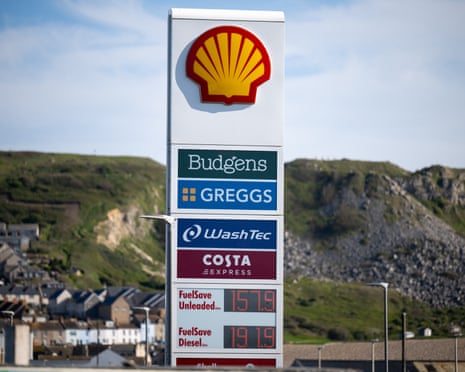
The surge in energy costs has become a primary driver of the inflationary uptick, with petrol and diesel prices at the pump reflecting broader supply chain concerns stemming from the Iran war. Motorists have witnessed considerable increases at fuel stations, translating into higher transportation costs for businesses and individuals alike. This external shock to the energy market has rippled through the entire economy, affecting everything from food delivery services to commuting expenses for millions of British workers.
According to the Office for National Statistics, the consumer prices index (CPI) increased last month precisely as City economists had anticipated, with forecasts proving accurate in predicting the 3.3% rise. The consistency between predicted and actual figures provides little comfort to households, however, as the mounting pressure on personal finances continues unabated. This alignment between expectations and reality underscores how predictable yet persistent the inflationary challenge has become for the UK economy.
The March inflation reading adds another layer of strain to household budgets already stretched thin by previous months of elevated living costs. Families across Britain have faced difficult decisions regarding essential purchases, from heating their homes to putting food on the table. The cumulative effect of persistent inflation continues to erode purchasing power, making each pound or penny stretch less far than it did months or years prior.
Economists and policymakers have expressed concern about the potential economic slowdown that may accompany this inflationary environment. Various warnings have circulated about the broader implications for UK economic growth, with inflation pressure potentially constraining consumer spending that traditionally drives economic expansion. The balance between managing inflation and preventing recession remains delicate, requiring careful consideration of monetary policy decisions in the months ahead.
The geopolitical situation involving Iran has had tangible economic consequences for British consumers, demonstrating how international tensions can directly impact domestic price levels. Fuel price volatility linked to Middle Eastern developments has become an increasingly important factor in inflation calculations and economic forecasting. Energy markets remain sensitive to any developments in the region, with market participants closely monitoring the situation for signs of further disruption to global oil supplies.
The Office for National Statistics continues to track price inflation across various categories of consumer spending, providing crucial data for understanding how the cost of living crisis develops. Monthly readings offer snapshot views of broader economic conditions, allowing policymakers to adjust strategies and responses accordingly. These statistics form the foundation for decisions affecting interest rates, government support programs, and broader fiscal policy considerations.
Consumer confidence has naturally been affected by the persistent inflationary pressures documented in these latest figures. When prices rise faster than wages, real incomes effectively decline, reducing purchasing power and forcing households to make difficult financial decisions. The psychological impact of sustained inflation also matters, as consumer sentiment influences spending patterns and broader economic behavior across the nation.
Looking forward, analysts continue to monitor whether the cost of living pressures will moderate or intensify further. The trajectory of fuel prices, dependent partly on international developments, remains a key variable in inflation forecasts. Additionally, supply chain improvements and other factors could potentially provide some relief to consumers, though near-term pressures appear likely to persist given current conditions.
The March inflation reading of 3.3% serves as a reminder of the complex interconnections between global events and domestic economic conditions. What happens in oil-producing regions halfway around the world eventually manifests in higher prices at British petrol stations and supermarkets. This global economic interconnectedness means that UK consumers remain vulnerable to external shocks beyond the direct control of domestic policymakers.
Government support measures and policy responses remain topics of significant debate as inflation persists at elevated levels. Various assistance programs attempt to help vulnerable households cope with rising costs, though the effectiveness of these interventions in addressing root causes of inflation remains a subject of discussion among economists and policymakers. The challenge of balancing price stability with economic growth continues to occupy center stage in UK economic policy discussions.
Source: The Guardian


