
UK Interest Rates: When Will the Bank of England Cut?

Analysis of potential Bank of England interest rate cuts and their impact on mortgages, loans, and savings for UK consumers in 2024.
The Bank of England interest rates remain a critical factor influencing the financial landscape for millions of UK households, directly impacting everything from mortgage payments to savings account returns. As economic conditions continue to evolve in 2024, speculation grows about when the central bank might implement rate cuts to stimulate economic growth. The current monetary policy stance reflects the Bank's ongoing battle against inflation while attempting to support economic stability across the United Kingdom.
Recent economic indicators suggest that inflationary pressures have begun to ease from their peak levels, creating room for potential policy adjustments. The Consumer Price Index has shown signs of moderation, though core inflation remains stubbornly above the Bank's 2% target. This delicate balance between controlling price growth and supporting economic activity places the Monetary Policy Committee in a challenging position when determining future rate decisions.
UK mortgage rates have experienced significant volatility in recent months, with homeowners and prospective buyers closely monitoring any signals from Threadneedle Street. Variable rate mortgages directly respond to base rate changes, while fixed-rate products reflect market expectations of future policy moves. The housing market has shown resilience despite elevated borrowing costs, though transaction volumes remain below historical averages as affordability constraints continue to impact buyer behavior.
Commercial lending rates have similarly responded to the elevated base rate environment, affecting business investment decisions across various sectors. Small and medium-sized enterprises face higher costs of capital, potentially constraining expansion plans and equipment purchases. The ripple effects extend throughout the economy, influencing employment decisions and overall economic growth prospects as companies navigate the challenging borrowing environment.

Savings account holders have experienced the positive aspect of higher interest rates, with deposit rates improving significantly from the near-zero levels that persisted for over a decade. However, the real returns on savings remain pressured by inflation, creating ongoing challenges for savers seeking to preserve purchasing power. UK savings rates are expected to remain competitive as long as the base rate stays elevated, providing some compensation for the increased cost of living.
Economic forecasters and financial analysts are closely examining employment data, wage growth, and consumer spending patterns to predict the timing of potential rate cuts. The labor market remains relatively tight, with unemployment levels still near historical lows, though job vacancy numbers have begun to decline from their recent peaks. This employment strength provides the Bank of England with flexibility in its policy approach, as robust job markets typically support consumer confidence and spending.
International economic factors also play a crucial role in shaping UK monetary policy decisions. The Federal Reserve's policy stance in the United States, European Central Bank actions, and global commodity prices all influence the domestic economic environment. Currency movements and international trade dynamics add complexity to the Bank's decision-making process, requiring careful consideration of external pressures alongside domestic conditions.
Financial markets have begun pricing in expectations for rate cuts later in 2024, with gilt yields and currency movements reflecting investor sentiment about future policy direction. These market-based indicators suggest growing confidence that inflationary pressures will continue to moderate, potentially creating space for more accommodative monetary policy. However, the Bank of England has consistently emphasized its data-dependent approach, warning against premature policy loosening that could reignite price pressures.
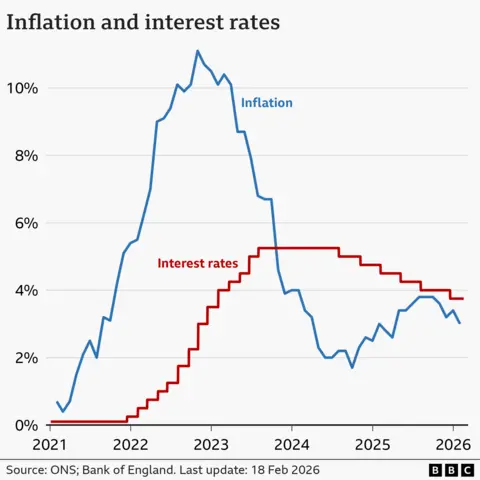
The UK economic outlook remains uncertain, with various factors influencing the trajectory of interest rates in the coming months. Geopolitical tensions, energy price volatility, and global supply chain disruptions continue to pose risks to the inflation outlook. The Bank's communication strategy emphasizes patience and careful assessment of incoming data before making significant policy adjustments that could impact long-term price stability.
Consumer behavior patterns have adapted to the higher rate environment, with households adjusting spending priorities and saving strategies. Credit card usage and personal loan demand have shown sensitivity to borrowing costs, while mortgage application volumes reflect the challenging affordability landscape. These microeconomic adjustments aggregate to influence broader economic trends that factor into the Bank's policy deliberations.
Regional economic variations across the UK add another layer of complexity to monetary policy decisions. Different areas experience varying impacts from rate changes, depending on their economic composition, housing market dynamics, and employment sectors. The one-size-fits-all nature of national monetary policy means the Bank must balance competing regional interests when setting rates for the entire country.
Looking ahead, the timing and magnitude of potential interest rate cuts will depend on sustained evidence of cooling inflation and stable economic growth. The Bank of England's cautious approach reflects lessons learned from previous policy cycles, where premature loosening led to renewed inflationary pressures. Market participants and households alike will continue monitoring economic data releases and policy communications for signals about future rate movements that will shape financial planning decisions across the United Kingdom.

Source: BBC News


