
UK Looks to Curb Oil Demand Amid Middle East Crisis

As the Iran-Middle East conflict impacts global fuel supplies, UK officials consider emergency measures like lowering speed limits to reduce oil consumption.
In the wake of the escalating crisis in the Middle East, the UK government is actively exploring contingency plans to curb the nation's oil demand, according to sources familiar with the matter. The International Energy Agency (IEA) has recommended a range of emergency measures, including working from home and lowering speed limits, as a means of minimizing fuel consumption during this volatile period.
While there is currently no shortage of fuel in the UK, officials from the Department for Transport are working closely with the Department for Energy Security and Net Zero (DESNZ) to analyze potential measures that could be implemented to reduce the country's reliance on oil. This comes as the ongoing conflict in the region continues to disrupt global fuel supplies, putting pressure on governments to find creative solutions to manage demand.
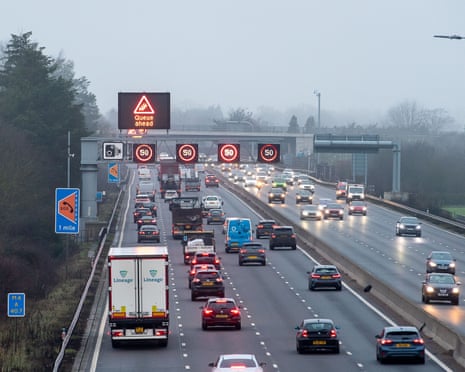
One of the key strategies being considered is the implementation of lower speed limits on UK roads. This approach is aimed at minimizing fuel consumption by encouraging drivers to operate their vehicles at more efficient speeds. The rationale behind this measure is to curtail oil demand without resorting to more severe options, such as rationing or restricting mobility.
In addition to lower speed limits, the government is also exploring other contingency measures that could be deployed if the situation in the Middle East deteriorates further. These include promoting remote work, incentivizing public transportation usage, and implementing targeted fuel efficiency campaigns. The goal is to develop a comprehensive set of strategies that can be implemented quickly and effectively to mitigate the impact of any potential oil supply disruptions.
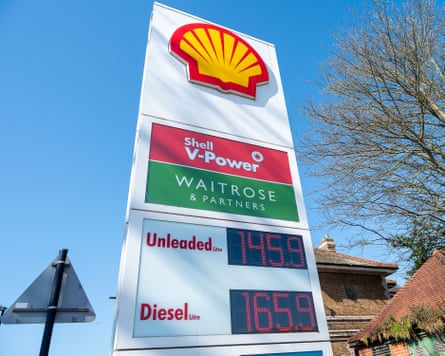
The UK's efforts to prepare for potential oil supply challenges come at a critical juncture, as the Iran-Middle East conflict continues to escalate. Analysts warn that a protracted crisis could have far-reaching consequences for global energy markets, necessitating swift and decisive action from governments worldwide.
As the situation unfolds, the UK government remains vigilant and is committed to exploring all options to ensure the security and stability of the country's energy supply. The implementation of measures like lower speed limits and remote work could prove crucial in weathering any potential disruptions to global oil markets.
Overall, the UK's proactive approach to contingency planning highlights the importance of anticipating and addressing energy security challenges in an increasingly volatile global landscape. As the world navigates the complexities of the Middle East crisis, the UK's efforts to curb oil demand could serve as a model for other nations seeking to safeguard their energy supplies and mitigate the impact of potential supply disruptions.
Source: The Guardian


