
UK Needs Maximum Temperature Rules for Workers

Climate advisers warn UK governments have neglected heat preparedness. New workplace temperature regulations could protect workers from extreme conditions.
The United Kingdom's approach to workplace safety in extreme heat conditions requires urgent governmental intervention, according to leading climate and health advisers. Maximum working temperature rules have become essential as the nation faces increasingly severe heat events that pose significant risks to employee wellbeing and public health. Successive administrations have been criticized for their failure to implement comprehensive heat safety regulations despite mounting evidence of the dangers posed by elevated temperatures in work environments.
The climate watchdog has issued a stark warning that the UK remains woefully unprepared for the extreme heat challenges that climate change will inevitably bring. Unlike many other developed nations, Britain lacks clearly defined workplace temperature limits that would protect workers across various industries from heat-related illnesses and fatalities. This regulatory gap represents a critical vulnerability in the nation's public health infrastructure, leaving millions of employees exposed to potentially dangerous conditions without adequate legal protections or mandatory employer safeguards.
Industry experts emphasize that establishing maximum temperature thresholds for work is not merely a matter of comfort but a fundamental health and safety imperative. Workers in manufacturing plants, construction sites, hospitality venues, and other heated environments face increased risks of heat exhaustion, heat stroke, and other serious medical complications when temperatures reach dangerous levels. The absence of clear legal guidelines means employers have little obligation to implement cooling measures or modify work schedules during periods of extreme heat, leaving vulnerable workers without protection.

Research conducted by occupational health professionals demonstrates that heat stress in the workplace significantly impacts worker productivity, safety, and overall health outcomes. When ambient temperatures rise substantially, accident rates increase, cognitive function diminishes, and the risk of serious medical emergencies escalates dramatically. Countries including Australia, Canada, and several European nations have already implemented specific temperature thresholds and mandatory cooling protocols that serve as models for potential UK legislation.
The climate watchdog's recommendations represent a comprehensive approach to addressing heat vulnerability across multiple sectors of the British economy. These proposals emphasize the need for legislative frameworks that establish clear maximum temperature limits, require adequate ventilation and cooling systems, mandate regular breaks in cool environments, and ensure access to hydration for affected workers. Such regulations would need to be tailored to different industries, as the risks and requirements vary significantly between outdoor construction work and indoor manufacturing or office environments.
Public health organizations have joined the chorus of voices calling for urgent action on this critical issue. Medical professionals highlight the particular vulnerability of certain worker populations, including elderly employees, those with pre-existing health conditions, and workers in physically demanding roles that generate substantial body heat. The cumulative effect of inadequate protection mechanisms in UK heat policy has resulted in preventable heat-related deaths and hospitalizations that could be substantially reduced through proper regulatory frameworks.
The economic implications of failing to address this issue extend beyond individual worker wellbeing to broader economic productivity concerns. Heat-related absences, reduced work capacity, and increased medical interventions impose significant costs on the national health system and individual employers. By implementing preventative measures through maximum temperature regulations, the UK could reduce these economic burdens while simultaneously protecting worker health and safety across the nation.
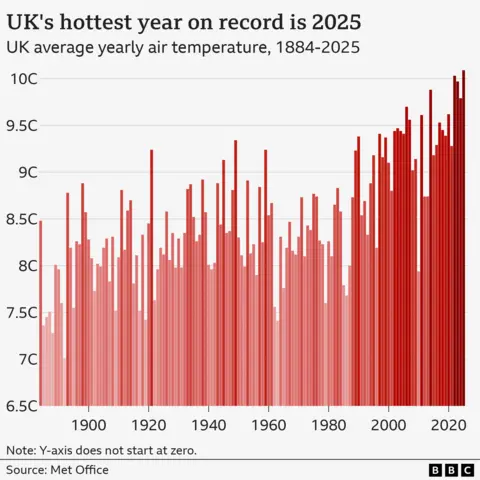
Environmental trends indicate that the frequency and intensity of extreme heat events will continue to increase throughout the coming decades as climate change progresses. Rather than waiting for catastrophic incidents or widespread health crises to force policy action, proactive governmental intervention now could establish the foundation for resilient workplace safety standards. The climate watchdog emphasizes that delay in implementing such measures compounds the risks and makes eventual adaptation more costly and disruptive to businesses and workers alike.
Comparative analysis with international best practices reveals that other nations have successfully implemented workplace heat safety standards without causing economic disruption or imposing unreasonable burdens on employers. These models typically include graduated response protocols, providing employers with clear benchmarks for implementing cooling measures, modifying work schedules, and ensuring worker protection as temperatures rise. Such frameworks balance the need for public health protection with practical business considerations and implementation feasibility.

The failure of successive UK governments to prioritize heat preparation reflects a broader pattern of climate adaptation underinvestment that extends beyond workplace safety. Infrastructure vulnerability, public health preparedness, and emergency response capabilities all require substantial attention and resource allocation to address climate change impacts adequately. The workplace temperature regulations represent just one component of a comprehensive national strategy needed to build climate resilience across all sectors of society.
Trade unions and worker advocacy organizations have emphasized the moral imperative for governmental action on this issue, pointing out that workers should not bear the health risks associated with inadequate regulatory protection. These organizations have called for swift legislative action to establish clear temperature thresholds, mandatory employer compliance mechanisms, and enforcement procedures that hold companies accountable for violations. The convergence of expert opinion, worker advocacy, and public health evidence creates a compelling case for immediate governmental response.
Implementation of heat safety regulations would require careful coordination between governmental agencies, employer organizations, worker representatives, and public health professionals. Stakeholders would need to collaborate in developing practical guidelines that account for industry-specific variations while maintaining consistent baseline protections across all employment sectors. Training programs, technological solutions, and infrastructure investments would all play important roles in successful regulatory implementation.

The recommendations from climate advisers underscore the urgent necessity for the UK to move beyond passive observation of climate impacts toward proactive policy implementation. Maximum working temperature rules represent a clear, actionable step that policymakers can take to protect public health while demonstrating serious commitment to climate adaptation. The evidence overwhelmingly indicates that such regulations are necessary, economically justified, and implementable using proven international models as reference points.
Source: BBC News


