
UK Net Migration Plummets 50% Under Labour

Official ONS figures reveal net migration to UK dropped to 171,000, marking significant decline and fulfilling Labour government's immigration reduction pledges.
The United Kingdom has witnessed a dramatic shift in its migration patterns, with net migration figures experiencing a substantial decline that marks a significant policy victory for the Labour government. According to official data released by the Office for National Statistics on Thursday, net migration to the UK fell by nearly 50% to 171,000 in the previous year, representing the lowest level recorded since 2021. This substantial reduction in migration numbers is expected to strengthen the government's position on what many analysts consider one of the most contentious political issues facing the nation.
The drop in UK migration statistics comes as Keir Starmer's administration has made tackling immigration a central pillar of its policy agenda, particularly in response to growing public concern over demographic changes and resource allocation. The figures demonstrate a marked contrast to the previous year's numbers and reflect the effectiveness of the government's comprehensive approach to managing population movement. This development will likely resonate with voters who have prioritized immigration control as a key electoral concern, especially given the rise of the Reform Party as a competing political force on this specific battleground issue.
The ONS migration data reveals that the difference between arrivals and departures has narrowed considerably, suggesting that either immigration inflows have decreased or emigration has increased—or a combination of both factors. This nuanced shift in population dynamics reflects broader changes in the UK's attractiveness as a destination for international migrants, as well as potential shifts in employment opportunities and economic conditions. The government has positioned itself as responsive to public concerns, implementing various policy measures designed to reduce overall net migration while maintaining economic vitality and meeting genuine labor market needs.
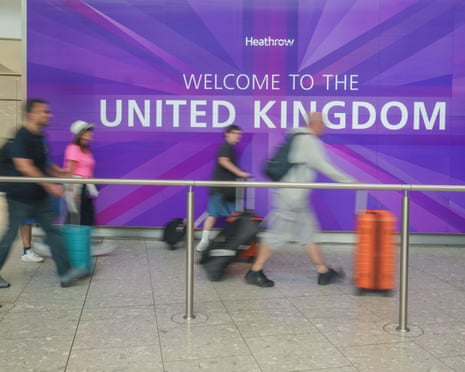
The timing of these statistics is particularly significant given the ongoing political climate in the United Kingdom. The Labour Party has consistently emphasized its commitment to controlling immigration, a pledge that resonates with substantial portions of the electorate who express concerns about rapid demographic change and public service strain. The announcement of these figures provides tangible evidence that the government's policies are producing measurable results, which supporters argue validates the administration's approach to what has become one of the most divisive political topics in contemporary British politics.
Reform, the political party that has gained increasing prominence by focusing heavily on immigration restriction, has similarly capitalized on public anxieties surrounding population movement and cultural change. By demonstrating quantifiable reductions in net migration, the Labour government effectively counters narratives suggesting that established political parties are indifferent to public opinion on this matter. This statistical milestone becomes particularly important as political parties prepare for future electoral contests where immigration policy will undoubtedly feature prominently in campaign messaging.
The broader implications of this migration decline extend beyond mere political advantage. Economists and policy analysts are examining what these figures mean for various sectors of the UK economy that have become increasingly dependent on migrant workers. Industries ranging from healthcare to hospitality to agriculture have expressed concerns about labor shortages if migration controls become too restrictive. The challenge facing the government involves balancing electoral promises to reduce migration with the practical economic realities of maintaining sufficient labor supply across critical sectors.
The fall in net migration numbers can be attributed to multiple policy interventions introduced by the Labour administration since taking office. These measures have included increased visa requirements, stricter employment verification processes, and enhanced border management protocols designed to discourage non-essential migration while facilitating legitimate movement. Each policy component has been carefully calibrated to achieve the dual objectives of reducing overall migration levels while preserving the UK's capacity to attract skilled workers and maintain crucial workforce capacity in vital sectors.
Public sentiment regarding migration has remained a prominent factor in shaping government policy priorities. Opinion polling consistently demonstrates that significant majorities of British citizens express preferences for lower levels of immigration, citing concerns about housing availability, education provision, healthcare resources, and cultural integration. The government's ability to point to concrete numerical reductions strengthens its political position and demonstrates responsiveness to constituent concerns, which serves as an important asset in maintaining electoral support and legitimacy.
The data released by the ONS provides a comprehensive picture of migration trends that extends beyond simple headline figures. The breakdown reveals variations across different regions of the UK, with certain areas experiencing more significant changes in migration patterns than others. London and the South East continue to receive disproportionate shares of migrant populations, while some regions experience relative population stability or decline despite overall UK migration trends showing improvement from the government's perspective.
The sectoral composition of migration has also shifted, with changes in the types of workers entering the United Kingdom reflecting both policy changes and evolving global conditions. The government has implemented points-based migration systems designed to attract higher-skilled workers while discouraging lower-skilled migration, fundamentally altering the demographic profile of new arrivals. This recalibration of migration patterns represents an attempt to maximize economic benefit from population movement while minimizing potential burdens on public services and labor market competition in lower-wage sectors.
International observers have noted the political significance of these migration figures within the broader context of global migration trends and comparative immigration policy. While many developed nations continue to experience substantial population movement driven by conflicts, economic disparities, and climate factors, the UK's ability to reduce net migration stands out as somewhat exceptional. This achievement reflects both the stringency of UK immigration policy and the relative economic headwinds that have reduced the country's attractiveness as a migration destination compared to previous periods.
Looking forward, the government faces the ongoing challenge of maintaining public confidence in its immigration management while navigating legitimate economic needs for immigrant workers. The UK migration statistics will continue to serve as a crucial barometer of policy effectiveness, with future figures scrutinized intensely by political opponents and public alike. The balance between restrictive immigration policies and pragmatic economic management will define a significant portion of the Labour government's record as it moves toward future electoral contests, making these recent figures a meaningful if temporary achievement in addressing one of the nation's most persistently contentious political issues.
The release of these statistics represents a pivotal moment in the government's efforts to establish credibility on the immigration issue that has long divided British political opinion. By demonstrating concrete progress toward its stated goals, the Labour administration enhances its political positioning and provides material evidence supporting its claim to govern effectively on matters of genuine public concern. As debates surrounding migration policy continue to evolve in response to economic, demographic, and social factors, these figures will likely feature prominently in political discourse for months to come.
Source: The Guardian


