
UK Roadworks Crisis: Infrastructure vs Disruption

Britain's roadworks are reaching breaking point. Explore the real economic impact of infrastructure projects and why traffic chaos is set to worsen.
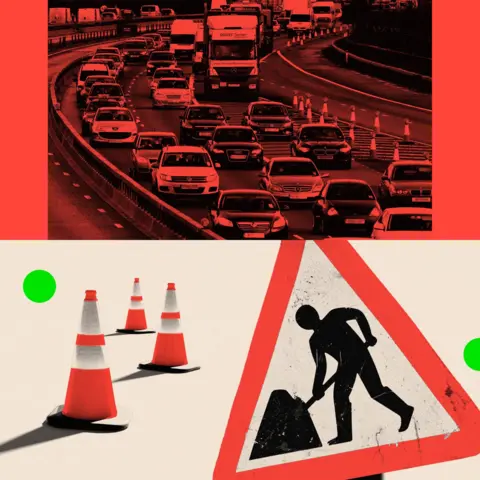
Across Britain, millions of motorists face a daily gauntlet of orange cones, temporary traffic lights, and grinding delays as roadworks multiply at an unprecedented rate. The nation's infrastructure demands urgent attention, but the price of progress is becoming increasingly difficult to bear. As construction crews work tirelessly to modernize aging transport networks, the economic and social costs of prolonged disruption are mounting exponentially. The question facing policymakers and citizens alike is whether the long-term benefits of improved infrastructure can justify the short-term pain inflicted on commuters, businesses, and entire communities.
The scale of Britain's infrastructure challenges cannot be overstated. Decades of underinvestment have left roads, bridges, and utilities in desperate need of repair and replacement. Government figures reveal that over 40% of the country's road network requires significant maintenance work within the next five years. Water companies alone have earmarked £56 billion for essential upgrades to aging pipe networks, much of which will necessitate extensive road excavations. Meanwhile, the rollout of high-speed broadband and 5G networks requires countless street-level installations, adding another layer of complexity to an already congested construction schedule.
Economic analysts estimate that traffic disruption costs the UK economy approximately £8 billion annually in lost productivity, delayed deliveries, and increased fuel consumption. Small businesses bear a disproportionate burden, with many reporting significant revenue losses during extended roadworks periods. Retail establishments on affected routes often experience foot traffic reductions of 30-50%, while delivery companies struggle with route diversions that can double journey times. The hospitality sector, already recovering from pandemic impacts, faces additional challenges as customers avoid areas plagued by construction chaos.
Local authorities find themselves caught between competing pressures as they attempt to balance infrastructure investment with public frustration. Council planning departments receive thousands of complaints annually about poorly coordinated roadworks, with multiple utility companies often digging up the same stretch of road within months of each other. The lack of centralized coordination has become a particular source of irritation, with residents questioning why comprehensive planning cannot prevent such obvious inefficiencies.

The situation is poised to deteriorate significantly over the coming years as several major infrastructure projects converge simultaneously. The government's ambitious net-zero carbon targets require extensive modifications to the electricity grid, including the installation of thousands of electric vehicle charging points throughout urban areas. Water companies face regulatory pressure to eliminate leakages and upgrade treatment facilities, while telecommunications providers race to deliver promised connectivity improvements. Each sector operates on its own timeline, often with little regard for the cumulative impact on road users.
Transport experts warn that the traditional approach to roadworks management is fundamentally flawed and unsustainable. Professor Sarah Mitchell from the Institute for Transport Studies explains that Britain's regulatory framework allows utility companies to operate with minimal coordination, resulting in the notorious phenomenon of roads being repeatedly excavated for different projects. This piecemeal approach not only maximizes disruption but also increases overall costs, as contractors must work around existing infrastructure modifications rather than implementing comprehensive solutions.
The psychological toll of constant road disruption extends beyond mere inconvenience, affecting mental health and quality of life for millions of citizens. Commuters report increased stress levels, relationship tensions, and reduced job satisfaction as journey times become unpredictable. Parents struggle with school runs that can vary by 30 minutes depending on which roadworks are active, while elderly residents find themselves increasingly isolated as familiar routes become impassable. The social fabric of communities suffers when local businesses close and public transport services are repeatedly diverted or cancelled.
International comparisons reveal stark differences in infrastructure management approaches, with several European nations achieving significantly better coordination between utility companies and transport authorities. Germany's integrated planning system requires all infrastructure work to be scheduled through regional coordination centers, reducing repeated excavations by up to 80%. Sweden's digital permit system allows real-time optimization of roadworks scheduling, minimizing conflicts and reducing overall disruption periods. These models demonstrate that effective coordination is possible but requires significant regulatory reform and political commitment.
The financial implications of improved roadworks coordination extend far beyond immediate construction costs. Economists calculate that better planning could reduce disruption-related economic losses by 40%, translating to billions in annual savings. Businesses would benefit from predictable transport routes, while individuals could reclaim thousands of hours currently lost to traffic delays. Environmental benefits would also accrue through reduced fuel consumption and emissions from idling vehicles trapped in construction-related congestion.
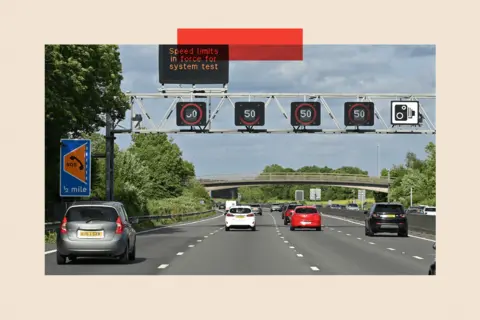
Technology offers promising solutions to current coordination challenges, with digital platforms capable of optimizing construction schedules across multiple agencies and contractors. Advanced traffic management systems can dynamically adjust signal timing and route recommendations based on real-time roadworks status. Some pilot programs have demonstrated remarkable success, with smart coordination reducing average delay times by 60% compared to traditional approaches. However, widespread implementation requires substantial investment in digital infrastructure and comprehensive training for planning authorities.
Public opinion research reveals growing frustration with the current state of roadworks management, with 78% of respondents believing that better coordination could significantly reduce disruption without compromising infrastructure improvements. Citizens express willingness to accept short-term intensive construction periods in exchange for longer stretches of uninterrupted road access. This suggests that the problem lies not with the necessity of infrastructure work itself, but with the manner in which it is currently planned and executed.
Industry leaders acknowledge that fundamental changes are necessary but cite regulatory complexity and competing commercial interests as significant barriers to improved coordination. Utility companies operate under different regulatory frameworks, each with distinct performance metrics and financial incentives. Water companies face penalties for service interruptions, encouraging rapid completion of individual projects regardless of broader traffic impacts. Telecommunications providers prioritize coverage expansion timelines over traffic management considerations. These misaligned incentives create a system where rational individual decisions produce collectively irrational outcomes.
The path forward requires unprecedented cooperation between government agencies, utility companies, and transport authorities. Regulatory reform must establish clear frameworks for coordination while maintaining necessary safety standards and service quality expectations. Investment in digital planning platforms could revolutionize how infrastructure projects are scheduled and managed, but only if all stakeholders commit to collaborative approaches. The alternative is a continuation of the current trajectory toward ever-increasing disruption and economic losses.
Recent pilot programs in several English counties demonstrate that effective coordination is achievable with sufficient political will and stakeholder cooperation. The West Midlands Integrated Infrastructure Initiative has reduced roadworks-related delays by 45% while accelerating project completion times through shared resource utilization. Similar programs in Scotland have achieved comparable results, suggesting that scalable solutions exist but require consistent implementation across the entire country.
As Britain stands at a crossroads between necessary infrastructure modernization and mounting public frustration, the choices made in the coming months will determine whether the country can successfully balance progress with livability. The costs of inaction are clear: continued economic losses, deteriorating public satisfaction, and ultimately, delayed infrastructure improvements that become more expensive and disruptive over time. The benefits of coordination are equally evident: reduced disruption, lower costs, and faster completion of essential infrastructure projects. The question is whether political leaders and industry stakeholders possess the vision and determination to implement necessary reforms before the situation becomes truly unmanageable.

Source: BBC News

