
UK Seals £3.7bn Trade Deal With Gulf States

Britain agrees landmark £3.7bn trade agreement with six Gulf nations, eliminating £580m in tariffs on exports despite rights group concerns.
The United Kingdom has successfully negotiated a significant trade agreement worth £3.7 billion with six Gulf Cooperation Council (GCC) states, marking a major milestone in Britain's post-Brexit international trade strategy. This bilateral trade deal represents one of the most substantial commercial arrangements the UK has forged since leaving the European Union, demonstrating the government's commitment to diversifying trade partnerships beyond Europe.
The agreement will systematically eliminate an estimated £580 million worth of tariffs on British exports destined for the Gulf region, creating substantial economic benefits for UK manufacturers, exporters, and service providers. This tariff reduction is expected to enhance the competitiveness of British goods and services in these crucial Middle Eastern markets, providing immediate financial relief to businesses struggling with increased global trade barriers. The removal of these trade impediments will particularly benefit sectors including automotive, machinery, pharmaceuticals, and food and beverage industries that have traditionally faced significant export challenges to the region.
The six Gulf states participating in this GCC trade agreement include Saudi Arabia, the United Arab Emirates, Qatar, Kuwait, Bahrain, and Oman. These nations collectively represent one of the world's most dynamic and economically significant regions, with substantial purchasing power and growing demand for quality British products and services. The Gulf Cooperation Council itself represents combined GDP figures exceeding $1.8 trillion, making this trade partnership strategically valuable for UK economic growth and long-term prosperity.
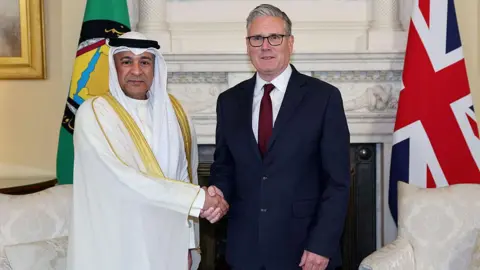
British government officials have emphasized the strategic importance of this Gulf trade deal in the context of broader geopolitical and economic realignment. The agreement provides the UK with enhanced access to critical energy markets, investment opportunities, and consumer bases that will support employment and innovation across multiple British sectors. Officials have highlighted that this partnership strengthens economic ties at a crucial moment when the global economy faces unprecedented challenges and trade relationships require constant nurturing and development.
However, the agreement has sparked considerable controversy among human rights organizations and advocacy groups who have raised serious concerns about trading relationships with countries that maintain contested records regarding labor practices and civil liberties. Several prominent rights groups have publicly criticized the deal, arguing that the UK government has prioritized short-term economic gains over fundamental human rights principles and ethical considerations. These organizations have called for the inclusion of robust human rights protections and labor standards enforcement mechanisms within the trade framework.
The concerns raised by civil society organizations focus on various documented issues within Gulf states, including restrictions on workers' rights, limitations on freedom of expression and assembly, and allegations of inadequate protections for migrant workers who comprise significant portions of these countries' workforces. Advocacy groups have specifically pointed to labor practices that differ substantially from International Labour Organization standards and Western employment norms. These criticisms reflect broader global debates about whether commercial interests should outweigh human rights considerations in international trade negotiations.
The British government has responded to these criticisms by emphasizing its commitment to maintaining high ethical standards while simultaneously pursuing economic growth and international partnerships. Officials argue that engagement through trade relationships can facilitate dialogue on human rights issues more effectively than isolation. The government has also noted that modern trade agreements increasingly incorporate labor standards chapters and sustainability provisions designed to encourage responsible business practices throughout supply chains.
The tariff elimination contained within this trade agreement will be implemented progressively over several years, allowing British businesses time to adapt to new market conditions and develop deeper relationships with Gulf counterparts. The phased approach provides stability for both British exporters and established Gulf-based suppliers, minimizing disruption while maximizing long-term commercial benefits. Industry analysts expect the gradual implementation will facilitate smoother market penetration and more sustainable business relationships.
Economic analysts have projected that this agreement could generate substantial benefits extending far beyond the direct tariff eliminations. The deal is expected to create opportunities for British service providers, including financial services, consulting, engineering, and technology sectors that have increasingly sought regional expansion. Furthermore, the agreement may incentivize Gulf investors to develop stronger economic ties with the UK, potentially bringing increased foreign direct investment into British enterprises and infrastructure projects.
The negotiation of this comprehensive bilateral partnership required extensive discussions addressing regulatory harmonization, intellectual property protection, dispute resolution mechanisms, and sectoral access. Both parties have acknowledged the complexity of aligning different regulatory frameworks and commercial practices while maintaining sovereignty over domestic policy decisions. The final agreement represents compromises on both sides, reflecting the intricate balance required in modern international trade negotiations.
Trade policy experts have noted that this agreement demonstrates the UK's strategic pivot toward the Indo-Pacific and Middle Eastern regions as part of its Indo-Pacific tilt strategy. The deal complements Britain's broader trade diversification efforts, which have included separate negotiations with Australia, India, and various other nations. This geographical rebalancing aims to reduce economic dependence on European markets and build resilient, diversified trade relationships that enhance British economic resilience.
Looking forward, British policymakers have indicated intentions to build upon this trade partnership through potential future negotiations addressing investment protections, services access, and technological cooperation. Additional agreements may encompass digital trade, financial services, and emerging technology sectors where British businesses maintain competitive advantages. The foundation established through this current agreement creates opportunities for deeper commercial integration and cooperation on shared economic challenges.
The agreement arrives at a significant moment for the UK economy, which continues adjusting to post-Brexit realities while seeking new growth opportunities in dynamic international markets. Business organizations across Britain have generally welcomed the deal as a concrete demonstration that the government is actively securing new commercial opportunities and supporting export-oriented sectors. Meanwhile, the ongoing debate regarding the balance between economic interests and human rights considerations will likely continue shaping discussions around future trade agreements and international partnerships.
Source: BBC News


