
UK Slavery in Barbados Cost 25M Years of Life

New research quantifies British slavery's devastation in Barbados: 25 million years of stolen labour and up to $2 trillion in estimated damages.
A comprehensive new study conducted by international experts has revealed the staggering human cost of British slavery in Barbados, documenting how the United Kingdom systematically extracted an estimated 25 million years of life and labour from the island's enslaved population over two centuries. The groundbreaking research provides unprecedented quantification of the profound economic and human damages inflicted through chattel slavery, offering a detailed accounting framework for understanding the lasting impact of this historical injustice on modern-day descendants of enslaved Africans.
The research team's findings underscore the immense scale of exploitation that characterized the slavery era in Barbados, one of the Caribbean's most significant sugar-producing colonies under British rule. Their meticulous analysis calculates that the total damages suffered by Barbados's population of African descent amount to approximately US$2 trillion (£1.5 trillion), a figure that represents an attempt to quantify what experts describe as an "accounting of the harm that was done" across 200 years of brutal and systematic enslavement. This valuation methodology considers not only the direct loss of labour and productivity but also the intergenerational psychological, social, and economic trauma that continues to affect descendants today.
The chattel slavery system in Barbados operated as one of the most extractive economic models in human history, with enslaved individuals treated as permanent property with no legal rights or protections. Barbados became one of Britain's most profitable colonial possessions, generating enormous wealth for British planters and merchants while reducing millions of Africans to conditions of perpetual servitude. The island's sugar plantations, powered entirely by enslaved labour, became the economic engine that fueled British prosperity and colonial expansion throughout the 17th, 18th, and 19th centuries.

The quantification of 25 million years represents an aggregation of all labour hours, reproductive capacity, and lost human potential across the entire enslaved population throughout the period of British control. International experts employed sophisticated economic and demographic models to calculate how many years of productive life were systematically stolen from enslaved individuals who were denied autonomy over their time, bodies, and futures. This methodology extends beyond simple accounting to recognize that slavery reparations calculations must account for the cumulative loss experienced by millions of people across generations, including those born into bondage with no possibility of freedom.
Barbados holds particular historical significance in the study of Atlantic slavery, as it was among the first Caribbean islands colonized by Britain and quickly transformed into a plantation economy almost entirely dependent on enslaved African labour. The island's demographic composition shifted dramatically as the enslaved population grew to vastly outnumber European settlers, creating a society fundamentally structured around racial domination and economic extraction. By the height of the plantation economy, enslaved Africans and their descendants comprised over 80 percent of the island's population, yet held virtually no property, freedom, or legal standing.
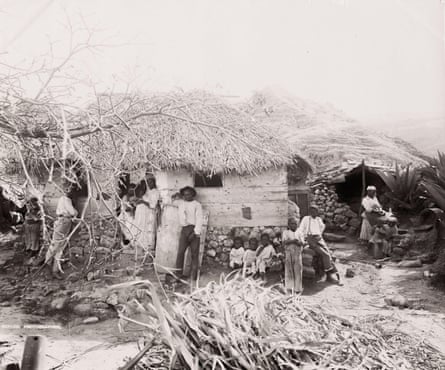
The research team's methodology for calculating the US$2 trillion figure incorporates multiple economic approaches, including lost wages and productivity, lost property rights and accumulated capital, diminished health outcomes, and educational deprivation that persisted long after formal emancipation. Experts emphasize that this valuation, while substantial, likely underestimates the true scope of harm, as it cannot fully capture immeasurable losses including cultural destruction, family separation, and the psychological toll of generations living under systematic dehumanization. The legacy of slavery in the Caribbean continues to manifest in contemporary economic inequality, healthcare disparities, and educational achievement gaps that disproportionately affect descendants of enslaved populations.
The formal abolition of slavery in the British Empire in 1833 did not bring immediate equality or reparative justice to formerly enslaved individuals in Barbados. Instead, the system of apprenticeship following slavery maintained many exploitative conditions for several additional years, and the colonial government's failure to provide land, education, or economic resources to newly freed people perpetuated cycles of poverty and marginalization. Furthermore, Britain compensated slave owners for their loss of "property," providing millions of pounds to white planters while offering nothing to those whose labour had generated the wealth and whose freedom had been delayed through these transitional arrangements.
Contemporary scholars and reparations advocates argue that understanding the precise economic dimensions of slavery's harm is essential for informed discussions about historical justice and remedies. By documenting the quantifiable losses in labour, life expectancy, wealth accumulation, and opportunity that slavery created, researchers provide evidence-based foundations for claims that descendants of enslaved people deserve compensation and recognition. The Barbadian context becomes particularly significant as the nation works toward reconciliation with its colonial past while addressing persistent socioeconomic challenges rooted in slavery's legacy.
The release of this research coincides with growing international momentum toward acknowledging slavery's historical injustices and exploring mechanisms for addressing its continuing consequences. Multiple Caribbean nations have established reparations commissions to investigate colonial crimes and formulate proposals for remedial action, while academic institutions and governments increasingly engage with questions of historical accountability. This Barbados slavery research contributes vital empirical evidence to these evolving discussions, offering concrete figures that make abstract historical harm tangible and measurable.
The international team's conclusions reflect broader scholarly consensus that slavery represented not merely a historical injustice but an ongoing structural phenomenon whose effects persist in modern inequality. When enslavement systematically prevented millions of people from accumulating property, education, and wealth over centuries, those initial deprivations compound across generations through inheritance patterns and reduced intergenerational mobility. The descendants of enslaved people inherited not just cultural memory but tangible economic disadvantage that contemporary data continues to document across health, education, employment, and wealth metrics.
As Barbados and other formerly enslaved societies continue examining their colonial histories with greater critical scrutiny, research like this study provides essential tools for understanding what historical justice might require. The quantification of slavery's harm does not reduce complex human experience to mere numbers, but rather translates profound injustice into frameworks that contemporary policymakers and international institutions can engage with and address. Moving forward, such evidence-based assessments will likely play increasingly important roles in shaping national and international responses to historical wrongs and contemporary inequality rooted in colonial exploitation.
Source: The Guardian


