
UK Speed Limit Cuts Proposed to Combat Iran War Oil Crisis

Think tank urges lower speed limits to reduce fuel demand and combat rising oil prices. Discover how speed restrictions could ease consumer costs.
A prominent British think tank has proposed a dramatic shift in transport policy, recommending that the United Kingdom implement significantly lower speed limits as part of a comprehensive strategy to mitigate the economic fallout from geopolitical tensions in the Middle East. The Institute for Public Policy Research (IPPR) argues that reducing legal driving speeds could play a crucial role in cushioning consumers from the economic impact of conflict-driven oil price volatility.
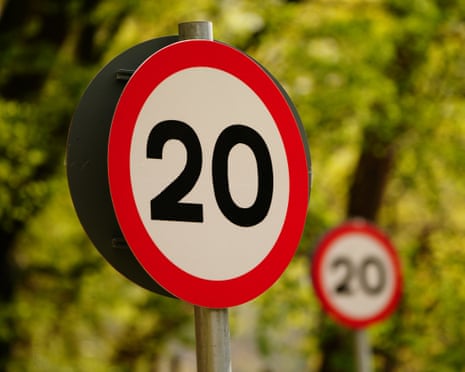
According to the IPPR's policy recommendations, Britain should establish a maximum speed limit of 20mph within towns and cities, while imposing a 60mph ceiling on motorway travel. These restrictions would represent a substantial departure from current speed limit regulations, which typically allow 30mph in residential areas and up to 70mph on motorways. The proposed changes are intended to work in tandem with other energy conservation measures to address the broader economic challenges facing UK households and businesses.
The underlying rationale for these proposals centers on reducing overall fuel demand across the nation's transport sector. Lower vehicle speeds are widely recognized to improve fuel efficiency, as aerodynamic drag and engine strain increase exponentially at higher velocities. By constraining driving speeds, the think tank argues that aggregate fuel consumption would decline measurably, thereby reducing pressure on global oil markets and helping to stabilize prices at the consumer level.
The timing of this proposal reflects genuine concerns about the stability of global energy markets in the face of ongoing tensions centered around Iran and the strategically vital Strait of Hormuz. Recent geopolitical developments have triggered notable fluctuations in crude oil prices, with significant consequences for consumers and businesses across the developed world. The IPPR's suggestion comes as oil prices have experienced considerable upward pressure, creating inflationary headwinds that threaten household budgets and economic competitiveness.
The Institute for Public Policy Research, which is recognized as one of Britain's leading independent research organizations, has long advocated for innovative policy solutions to complex economic challenges. Their analysis suggests that demand-side interventions—such as speed limit reductions—could prove more palatable and faster to implement than supply-side adjustments or strategic petroleum reserve releases. The think tank's research indicates that even modest reductions in driving speeds could yield measurable reductions in aggregate fuel consumption across the nation.
Implementation of such a policy would require substantial legislative and regulatory changes, necessitating coordination between the Department for Transport, local authorities, and various stakeholder organizations representing motorists and commercial vehicle operators. The practical challenges would be considerable, including public acceptance concerns, enforcement mechanisms, and potential impacts on freight distribution and commercial operations. Nevertheless, the IPPR maintains that the economic and strategic benefits would justify these implementation hurdles.
Critics of the proposal might emphasize the significant disruption such measures could cause to the transport sector, including increased delivery times, higher logistics costs, and potential economic inefficiencies. Commercial operators, in particular, might argue that reduced speed limits would compromise their ability to maintain competitive service delivery. However, proponents counter that the alternative—accepting volatile and rising fuel prices driven by geopolitical instability—represents a more profound long-term threat to economic stability and consumer welfare.
The IPPR's policy package extends beyond speed limit reductions to encompass broader energy conservation strategies. These complementary measures might include enhanced public transportation funding, incentives for vehicle electrification, improved urban planning to reduce transportation demand, and workplace policies encouraging remote work where feasible. The think tank's holistic approach recognizes that addressing energy security and price volatility requires multifaceted interventions rather than isolated measures.
International precedent offers some guidance on the potential effectiveness of speed limit reductions during energy crises. During the 1970s oil embargoes, numerous countries implemented temporary speed restrictions with measurable impacts on fuel consumption. More recently, various nations have experimented with variable speed limits as part of broader environmental and energy conservation agendas, with mixed but generally positive results in terms of fuel efficiency improvements.
The broader context for this proposal involves ongoing debates about Britain's energy security and long-term strategic resilience. The UK's continued dependence on global oil markets, combined with growing geopolitical uncertainties, has prompted policymakers and analysts to reconsider transportation policies and energy consumption patterns. Speed limit reductions represent one potential tool within a larger portfolio of potential interventions aimed at enhancing energy security and economic stability.
Public opinion regarding such proposals remains complex and contested. While many consumers express concern about rising fuel costs and recognize the connection to geopolitical instability, acceptance of speed limit reductions may prove limited, particularly among motorists accustomed to faster motorway travel. The implementation of such policies would likely require substantial government investment in public communication campaigns to build support and ensure compliance.
The IPPR's proposal ultimately reflects a recognition that traditional approaches to managing energy market volatility may prove insufficient in an increasingly unstable geopolitical environment. By proposing demand-side interventions that could be implemented relatively quickly through regulatory changes, the think tank is advancing a pragmatic approach to protecting British consumers from external shocks. Whether such proposals gain political traction remains uncertain, but they undoubtedly contribute to important conversations about energy security, economic resilience, and the appropriate balance between individual mobility and collective welfare.
As geopolitical tensions continue to influence global energy markets, British policymakers will likely face increasing pressure to consider unconventional responses to rising fuel prices and supply uncertainties. The IPPR's recommendations, while potentially controversial, provide a concrete framework for understanding how speed limit policy could contribute to broader energy security and economic stability objectives. The debate surrounding these proposals will undoubtedly continue as stakeholders weigh the costs and benefits of such significant regulatory changes.
Source: The Guardian


