
UK Steel Firms Warn of 'Back Door' Loophole in Trade Rules

Steel industry leaders caution that a loophole in new UK trade policies could lead to job losses and factory closures by allowing foreign-made steel products to bypass import tariffs.
UK steel industry leaders are sounding the alarm over a 'back door' loophole in new trade rules that they say could undermine domestic manufacturers and result in job cuts and factory closures. The issue centers around the exclusion of pre-made steel products from recently announced import tariffs.
According to reports, a wide range of foreign-manufactured steel parts and components - including bridge sections, columns, door frames, rods, and tubes - will be able to enter the UK tax-free, despite the government's efforts to protect domestic steel producers like Tata and British Steel.
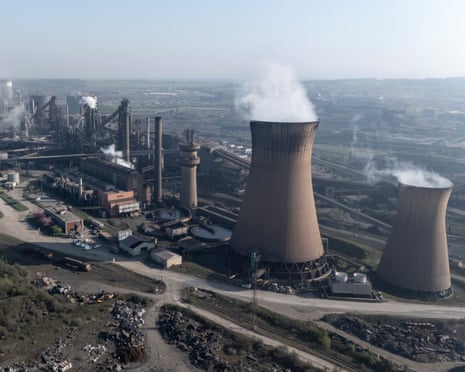
Industry leaders warn this 'back door' loophole could have devastating consequences, undermining UK steel producers and potentially leading to significant job losses and even factory closures. They argue the policy fails to properly safeguard the domestic steel industry and creates an unfair playing field.
"This loophole means a vast array of foreign steel products can still enter the UK without paying any tariffs," said one senior industry figure. "It's a major concern for us and the future of British manufacturing. We've raised this issue with the government, but so far they don't seem to grasp the full implications."
The revelation comes as the UK government attempts to shore up domestic industries in the wake of Brexit. But steel bosses say the current trade policy is flawed and does not adequately protect UK steel producers from foreign competition. They are urging the government to close this 'back door' loophole and ensure a level playing field for British manufacturers.
"We need robust trade rules that genuinely support our steel industry and British jobs," said another industry leader. "At the moment, this loophole undermines everything the government is trying to achieve. It's a real threat to the future of steel production in the UK."
Source: The Guardian


