
UK to Nationalise British Steel After Year of State Control

Prime Minister Starmer announces legislation to officially nationalise British Steel this week, following months of government management of the struggling steelworks.
Prime Minister Sir Keir Starmer has announced that British Steel nationalisation legislation will be introduced to Parliament this week, marking a formal transition of the struggling steelworks into permanent state ownership. The move comes after the facility has operated under government control for nearly a year, during which authorities have been managing the company's operations and financial difficulties. This legislative action represents a significant milestone in the government's commitment to preserving the nation's steel production capacity and protecting thousands of manufacturing jobs across the sector.
The steelworks facility, a cornerstone of British industrial heritage, has faced mounting challenges in recent years as global steel markets have become increasingly competitive and volatile. The decision to bring British Steel into full public ownership follows a period of intensive assessment and negotiations regarding the company's future viability and strategic importance to the national economy. Government officials have emphasized that nationalisation is essential to secure long-term investment in modernisation and to maintain Britain's domestic steel production capabilities, which are critical for numerous downstream industries.
During the interim period of government management, the steelworks has continued operations while authorities evaluated various options for the company's future direction. The state control arrangement allowed policymakers to stabilize operations, prevent immediate collapse, and maintain employment for the facility's workforce. This transitional period has provided valuable time for detailed planning and consultation with stakeholders, including workers, unions, industry representatives, and trade partners who depend on British steel production.
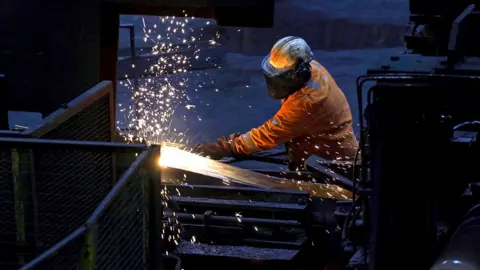
The formal nationalisation legislation being introduced this week will provide the legal framework for the government's full acquisition and operation of the facility. This legislative step is expected to address various technical and financial matters related to the transfer of ownership, including asset valuations, employee protections, and pension obligations. The government has signaled its intention to ensure that workers' interests are protected throughout this transition and that operations continue with minimal disruption to production schedules and supply chains.
Steel manufacturing remains a strategically important sector for the United Kingdom, with applications spanning construction, automotive production, defense manufacturing, and renewable energy infrastructure development. The preservation of domestic steel production ensures that British industries maintain access to reliable supply sources and reduces dependency on international suppliers for this critical material. Industry analysts have noted that steel nationalisation aligns with broader government objectives to strengthen manufacturing capabilities and support the transition to sustainable industrial practices.
Prime Minister Starmer's announcement reflects the government's recognition of the steelworks' importance not only as an economic entity but also as a major employer in its region. The facility supports thousands of direct employees and generates significant economic activity through supply chains and related services. Beyond immediate employment considerations, the steelworks represents a crucial component of Britain's industrial infrastructure and manufacturing reputation on the global stage.
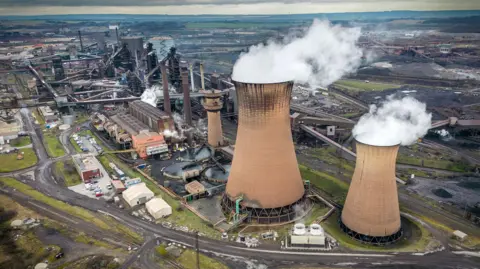
The journey toward state ownership has involved considerable discussion about the appropriate role of government in managing industrial assets and the best mechanisms for ensuring long-term sustainability. Various stakeholders, including regional economic development agencies, trade unions, and industry bodies, have contributed perspectives on how British Steel can be positioned for future competitiveness. The government has committed to engaging with these stakeholders throughout the implementation of nationalisation and beyond, recognizing that successful steelworks management requires cooperation across multiple sectors.
Financial considerations have been central to discussions surrounding the nationalisation decision. The government has evaluated the costs associated with full ownership against the economic and social benefits of maintaining steel production within the public sector. These calculations have included assessments of potential productivity gains, technological improvements, and the avoidance of supply chain disruptions that could result from facility closure or private sector withdrawal from the market.
The timing of this nationalisation announcement reflects changing perspectives on the role of state intervention in key industries, particularly those with significant strategic importance. Government officials have emphasized that this action does not represent a wholesale shift toward nationalizing private industry but rather a targeted intervention to preserve essential manufacturing capabilities. The focus remains on ensuring that the steelworks can compete effectively in global markets while maintaining high environmental and labor standards.
Looking forward, the government has indicated its intention to develop a comprehensive strategy for the nationalised British Steel facility that addresses modernization needs, environmental sustainability, workforce development, and market competitiveness. Investment in new technologies and processes will be critical to enhancing productivity and meeting increasingly stringent environmental regulations. The government's ownership structure is expected to enable longer-term strategic planning compared to previous private management arrangements, potentially facilitating the substantial capital investments required for facility upgrades and environmental compliance improvements.
The introduction of British Steel nationalisation legislation represents a pivotal moment for British manufacturing and industrial policy. As Parliament considers the proposed legislation this week, discussions will likely encompass detailed provisions regarding operational management, financial oversight, employment protections, and performance targets for the facility. The outcome of these legislative deliberations will shape not only the future of this individual steelworks but also broader expectations regarding government support for other strategic industries facing similar challenges.
Regional communities and workforce representatives have expressed cautious optimism about the nationalisation process, viewing state control as preferable to potential closure or foreign acquisition under private ownership. The announcement has generated significant attention from international observers, as decisions regarding state ownership of industrial facilities often influence broader trade relationships and industrial policy discussions. The government's commitment to transparent management and regular stakeholder engagement will be crucial to maintaining public confidence in this substantial intervention in the industrial sector.
As the nationalisation legislation progresses through Parliament, attention will focus on the specific mechanisms for governance, accountability, and performance measurement that will guide the public steelworks. The government's vision for British Steel under public ownership will ultimately determine whether this intervention successfully addresses the company's challenges and positions it for sustainable growth in an increasingly competitive global market. The coming weeks will be critical as policymakers, industry experts, and stakeholders work to ensure that this significant industrial transition is executed effectively and in a manner that serves the long-term interests of workers, communities, and the broader British economy.
Source: BBC News


