
UK Unemployment Drops to 4.9% in Surprise Fall

UK unemployment rate falls unexpectedly to 4.9%, defying analyst predictions. Latest labor market data shows stronger job creation than forecast.
The United Kingdom's unemployment rate has experienced an unexpected decline, falling to 4.9% in a development that has surprised economic observers and defied widespread market expectations. This encouraging figure represents a marked improvement from the previously recorded rate of 5.2%, signaling potential resilience in the nation's labor market despite ongoing economic uncertainties and inflationary pressures facing households and businesses across the country.
The latest employment statistics released by the Office for National Statistics (ONS) have caught many financial analysts and economic forecasters off guard. Prior to the announcement, the vast majority of experts and institutional investors had anticipated that the unemployment rate would remain flat at its previous level of 5.2%, with few anticipating the positive movement that materialized. This unexpected improvement in joblessness figures has prompted renewed discussion about the underlying strength of Britain's job market and what these developments may mean for future economic policy decisions.
The downward revision in unemployment comes at a significant moment for the UK economy, which has been grappling with multiple headwinds including persistent inflation, rising interest rates, and consumer spending concerns. The stronger-than-expected employment performance suggests that employers across various sectors continue to demonstrate confidence in hiring and workforce expansion, even as broader economic sentiment has remained cautious. This disconnect between labor market resilience and overall economic anxiety presents an intriguing puzzle for policymakers and economists seeking to understand the current state of the British economy.

The improvement in UK employment figures reflects activity across multiple economic sectors, from services and retail to manufacturing and construction. Despite challenges facing certain industries, employers appear to be maintaining or even expanding their workforce levels, which typically signals confidence about future business prospects and economic growth. This hiring activity has been particularly notable given the challenging macroeconomic environment, where businesses must balance growth aspirations against rising operational costs and staffing expenses.
Wage growth and job creation patterns have also drawn attention from economists analyzing these latest labor statistics. The ability of the UK job market to continue generating employment opportunities, even as the Bank of England has pursued an aggressive interest rate hiking campaign to combat inflation, demonstrates the relative resilience of the employment sector compared to other economic indicators. Many sectors have reported difficulty finding qualified workers, which may be contributing to continued hiring despite economic headwinds.
The labor market performance revealed in these statistics offers important context for understanding consumer behavior and household finances across the United Kingdom. Employment security and job availability have profound effects on consumer confidence and spending decisions, which in turn drive economic growth and business investment. A stronger job market may help support consumer spending even as interest rate increases make borrowing more expensive, potentially providing some counterbalance to recessionary pressures.
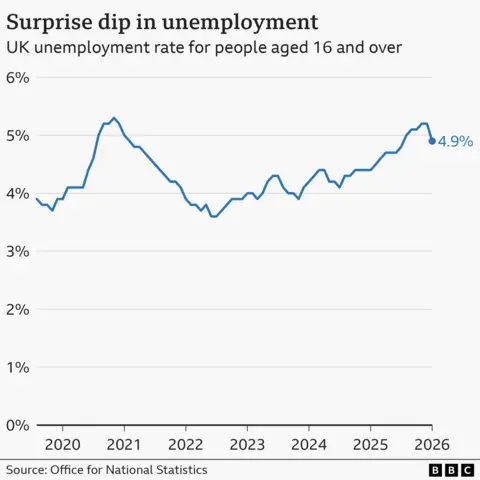
Economic analysts and policymakers will undoubtedly scrutinize this data closely to determine whether it represents a sustained positive trend or a temporary anomaly in otherwise challenging economic conditions. The divergence between economic growth concerns and robust employment figures raises questions about the underlying dynamics driving the job market. Some economists suggest that businesses may be hoarding labor in anticipation of future growth, while others point to demographic factors and long-term skills shortages as explanatory factors.
The implications of this unemployment decline extend beyond simple statistical interest, carrying potential consequences for monetary policy decisions and government economic strategy. The Bank of England and Treasury officials will need to evaluate whether continued labor market strength justifies maintaining higher interest rates or whether signs of economic weakness elsewhere warrant policy adjustments. These employment figures provide valuable information as decision-makers assess the appropriate balance between combating inflation and supporting economic growth.
Comparisons with other developed economies may also illuminate the significance of the UK's improving employment statistics. While many advanced economies have experienced labor market tightening in recent years following pandemic-related disruptions, the British job market continues to navigate unique challenges related to Brexit-related labor supply adjustments and sectoral shifts. The ability to achieve declining unemployment amid these structural changes suggests underlying strength in demand for British workers and skills.

Looking forward, the trajectory of UK unemployment will likely remain a crucial economic indicator as observers assess the sustainability of this positive trend. Future data releases will reveal whether this decline represents the beginning of a sustained improvement in labor market conditions or a temporary fluctuation. Regional variations in employment rates and sector-specific trends will also provide valuable insights into the underlying health and distribution of job opportunities across the British economy.
The surprise fall in unemployment to 4.9% reminds policymakers and observers that economic forecasting remains inherently uncertain, with unexpected developments frequently challenging even expert predictions. While consensus opinion had aligned around stability at 5.2%, the actual outcome demonstrates the dynamic nature of labor markets and the potential for positive surprises. This unexpected improvement provides a welcome counterpoint to broader economic pessimism, though questions remain about whether the trend can be sustained given ongoing macroeconomic challenges and uncertainties in the global economic environment.
Source: BBC News


