
UK Worker Taxes Hit Record High Among Rich Nations

OECD data reveals Britain's tax wedge surged to 32.4% in 2025, the fastest increase among wealthy economies, intensifying economic pressure on Labour.
A comprehensive analysis by the OECD has unveiled a troubling trend for British workers, revealing that taxes on UK workers have increased at an unprecedented pace compared to other wealthy nations. The Organisation for Economic Cooperation and Development, which represents 38 of the world's most developed economies, documented this significant shift in its latest economic assessment, drawing attention to mounting fiscal pressures facing the British workforce.
According to the OECD's detailed survey findings, the tax wedge in Britain—a critical metric that measures the combined burden of income taxes and social security contributions paid by both employees and employers—climbed to 32.4% of worker income during 2025. This substantial figure represents the proportion of earnings consumed by taxation and mandatory contributions, effectively reducing the disposable income available to British workers after all tax obligations are met.
The research demonstrates that Britain's tax burden expanded more rapidly than any other member nation within the OECD's exclusive club of industrialized economies. This development arrives during a particularly challenging period for the Labour government, which faces mounting scrutiny regarding its economic management and tax policies. The administration continues to navigate complex geopolitical challenges, including heightened tensions in the Iran region, which have added further pressure to the already strained economic landscape.

The tax wedge concept encompasses a broader understanding of the true cost of employment beyond simple income tax calculations. It includes various forms of taxation and mandatory contributions such as National Insurance, pension contributions, and employer payroll taxes. For workers in Britain, this comprehensive measure reveals that nearly one-third of their earnings are consumed by the state through various tax mechanisms, leaving considerably less for personal spending and investment.
Comparatively, Britain's rate of increase in the tax burden on workers outpaced all other wealthy nations tracked by the OECD in 2025. This distinction highlights how British tax policy has diverged from international trends, with the government implementing measures that have collectively contributed to a steeper tax trajectory than comparable developed economies. The implications extend beyond individual worker finances, affecting consumer spending patterns, household budgeting, and overall economic vitality.
Economic analysts and policymakers are examining the factors behind this accelerated tax increase, which stem from a combination of fiscal adjustments, inflation-related bracket creep, and deliberate policy modifications enacted by the current administration. The convergence of these elements has created a particularly acute situation for British workers, whose real purchasing power continues to erode as tax obligations mount faster than wage growth in many sectors.
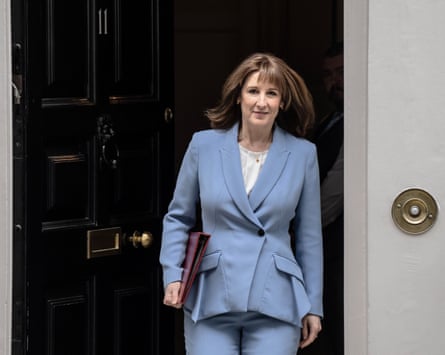
The OECD's findings carry significant political ramifications for the Labour government, which inherited an already challenging economic environment and must now contend with criticism regarding its tax policies. The party, which entered office with promises to support working families and stimulate economic growth, faces questions about whether current taxation levels are sustainable and whether they undermine the government's broader economic objectives. Critics argue that elevated tax wedges can discourage work incentives, reduce entrepreneurial activity, and potentially slow economic expansion.
The burden falls particularly heavily on middle-income earners and families who constitute the backbone of the British economy. These workers face substantial combined tax and contribution obligations that significantly reduce the financial benefits of employment. The psychological impact of taxation levels cannot be underestimated, as workers become increasingly aware of the gap between gross and net income, potentially affecting morale and productivity across the economy.
International comparisons suggest that Britain's trajectory differs markedly from other G7 nations and European counterparts, many of whom have managed to control their overall tax burden more effectively or have redistributed obligations in different ways. This divergence raises questions about Britain's competitiveness as a destination for investment and talent, particularly in sectors sensitive to employment costs and taxation levels. Multinational corporations and skilled workers may increasingly consider relocation if tax pressures continue to mount.
The implications of elevated UK tax rates extend throughout the economic ecosystem, affecting not only individual workers but also businesses that must pay employer contributions and payroll taxes. Small and medium-sized enterprises, in particular, report that increased employment costs squeeze profitability and constrain hiring and wage growth capacity. These second-order effects amplify the overall economic impact beyond the direct tax payments made by workers themselves.
Looking forward, policymakers face difficult choices regarding the sustainability and equity of current taxation levels in Britain. The government must balance revenue needs for public services, including the NHS and social support systems, against the economic drag created by excessive taxation. This tension defines much of the contemporary policy debate, with various stakeholders advocating for different approaches to resolving the fiscal challenge.
The OECD assessment serves as a crucial data point in broader discussions about economic policy, competitiveness, and living standards in Britain. As workers grapple with cost-of-living pressures and stagnating real wages, the revelation that British tax burdens are rising faster than in peer nations adds another dimension to concerns about economic fairness and opportunity. The coming months will likely see intensified political debate about whether current tax levels represent sound policy or unsustainable burdens that require adjustment.
The OECD data ultimately underscores a critical challenge facing modern economies: balancing legitimate public financing needs with the imperative to maintain competitive, growth-friendly environments for workers and businesses. Britain's experience in 2025 demonstrates how quickly tax burdens can escalate and the importance of careful policy consideration when implementing fiscal measures that affect the entire working population.
Source: The Guardian


