
Ukraine Claims Israel Received Russian-Stolen Grain

Ukraine accuses Israel of receiving grain shipments allegedly stolen by Russia from occupied territories. Israel's foreign minister denies receiving evidence of the claim.
Tensions between Ukraine and Israel have escalated over allegations that grain shipments stolen by Russia from occupied Ukrainian territories have made their way to Israeli ports. Ukraine's government has formally accused Israel of receiving these controversial cargo deliveries, claiming that Russia has been systematically extracting grain resources from areas under its military control and redirecting them to international markets, including Israel.
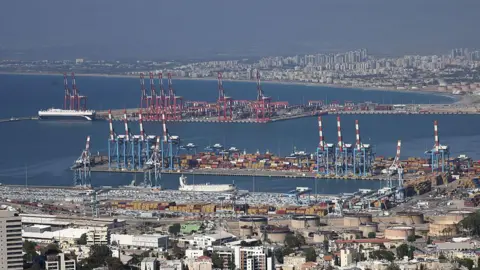
The accusation represents a significant diplomatic challenge for Israel, which has attempted to maintain a delicate balance in its international relations during the ongoing conflict in Eastern Europe. Israeli Foreign Minister has publicly responded to these claims, stating categorically that the nation has received no credible evidence supporting Ukraine's allegations regarding stolen grain shipments reaching Haifa port. This denial comes as international scrutiny of Russian resource extraction from occupied territories has intensified significantly.
According to Ukrainian officials, Russia's grain theft from occupied regions constitutes not only an economic crime but also a violation of international law and humanitarian principles. The allegations suggest a coordinated effort to exploit Ukraine's agricultural resources while simultaneously bypassing international sanctions and restrictions placed on Russian exports. Ukraine has been working with international organizations to document and publicize these claims, hoping to pressure countries into refusing deliveries of questionable origin.
The grain trade has become a critical point of contention since Russia's invasion of Ukraine in February 2022. Ukraine is one of the world's largest grain producers, and the disruption of its agricultural exports has had global ramifications on food security and commodity prices. The accusation that stolen Ukrainian grain is being funneled through international shipping channels raises serious questions about supply chain transparency and enforcement of sanctions regimes.
Israel's position on this matter reflects the broader complexity of its diplomatic stance throughout the Russian-Ukrainian conflict. While Israel has condemned Russia's invasion and voted in favor of United Nations resolutions criticizing Russian military actions, it has simultaneously maintained pragmatic economic and security relationships with Moscow. The grain shipment allegations now test this carefully maintained equilibrium, as Ukraine seeks greater support from international allies.
The Haifa port incident specifically has become emblematic of the broader issue of gray-market trade and sanctions evasion. If confirmed, such shipments would represent a notable example of how Russian resources extracted from conflict zones continue to reach global markets despite international efforts to isolate Russia economically. The port of Haifa, as one of Israel's primary maritime gateways, would serve as a significant hub in such a distribution network.
International maritime tracking systems and port records theoretically provide transparency regarding cargo origins and shipment destinations. However, grain shipments can be obscured through various means, including bill-of-lading manipulation, transshipment through neutral ports, and relabeling of cargo. These practices have historically been used to circumvent sanctions and conceal the true origins of commodities being traded internationally.
Ukraine's accusations must be evaluated within the context of broader documented evidence regarding Russian resource extraction from occupied territories. International investigations and humanitarian organizations have documented systematic removal of agricultural products, industrial materials, and other valuable resources from areas under Russian control. These practices appear designed to benefit the Russian state and military efforts while simultaneously undermining Ukraine's economic capacity for post-conflict recovery.
The Israeli government's response emphasizing the lack of evidence has prompted questions about the depth of investigation into the matter. Israel maintains sophisticated intelligence and customs capabilities that would theoretically enable verification of cargo origins. The Foreign Ministry's statement suggests that either such verification has been conducted with negative results, or that Ukraine has not provided specific vessel names, dates, or other identifying information necessary for investigation.
This diplomatic friction occurs at a time when Ukraine has been actively seeking greater support from nations worldwide in its conflict against Russia. The grain shipment accusations represent an attempt to mobilize international opinion against facilitating Russian economic activity, particularly regarding the exploitation of Ukrainian resources. Ukraine's strategy appears designed to make purchasing or receiving potentially stolen grain diplomatically costly for other nations.
The broader context of sanctions enforcement and international compliance becomes relevant here. Many countries have implemented varying degrees of sanctions against Russia, yet enforcement mechanisms and international coordination remain inconsistent. Grain and agricultural products often fall into gray areas where sanctions frameworks may be less stringent than for military equipment or technology sectors.
For Israel specifically, the accusation creates pressure on multiple fronts. Relations with Ukraine have been important for Israel's diplomatic standing in Eastern Europe and among Western allies. Simultaneously, Israel maintains significant security and economic interests in its relationship with Russia, particularly regarding coordination in Syria and other regional matters. How Israel addresses these grain allegations will signal its prioritization of these competing interests.
The technical aspects of tracking grain shipments involve detailed examination of bills of lading, port records, insurance documentation, and satellite imagery. Modern supply chain transparency initiatives have attempted to create more robust tracking systems, yet determined actors can still obscure origins through intermediary transactions. The grain market's traditional reliance on less transparent trading mechanisms compared to other commodities compounds these challenges.
Looking forward, this situation may prompt closer examination of cargo arriving at Israeli ports, particularly commodities that could plausibly originate from Russian-occupied territories. International pressure, combined with Ukraine's diplomatic campaign, could incentivize more rigorous verification procedures. The incident also highlights ongoing tensions regarding how nations balance maintaining diplomatic relations with Russia against supporting Ukraine and enforcing international norms.
The Ukraine-Russia grain dispute encompasses not merely economic considerations but also symbolic and strategic dimensions regarding international law and state sovereignty. Resources extracted from occupied territories under international law constitute war crimes when used to support occupation efforts. Ukraine's insistence that other nations avoid facilitating such transactions reflects broader principles about accountability and the costs of aggression.
As this situation develops, it will likely remain an area of diplomatic negotiation between Ukraine, Israel, and other stakeholders. Whether additional evidence emerges supporting or refuting the allegations, the incident demonstrates how the conflict's impacts extend into complex international supply chains and relationships. The resolution, or lack thereof, may influence how similarly situated disputes are handled in the future, particularly regarding resource extraction in conflict zones.
Source: BBC News


