
Ukraine Faces Relentless Russian Strikes for Second Day

Russia continues large-scale missile and drone attacks on Ukraine. At least 8 killed in Kyiv as Moscow attempts to overwhelm air defenses.
Ukraine is enduring an unprecedented barrage of Russian missile and drone strikes that has now stretched into a second consecutive day of intense bombardment. The relentless assault has transformed the conflict landscape, with military analysts warning that Moscow is executing a calculated strategy to systematically disable and overwhelm Ukraine's increasingly strained air defence systems. The capital city of Kyiv has emerged as the primary target, absorbing the heaviest concentration of attacks as explosions continue to echo across residential neighborhoods and critical infrastructure.
The human toll of this escalating campaign has proven devastating. At least eight people have been confirmed killed in Kyiv alone, with the tragic toll including a 13-year-old child caught in the violence. Additionally, 44 more residents have sustained injuries ranging from moderate to severe, with emergency services overwhelmed by the sheer volume of casualties arriving at hospitals across the city. These numbers represent only the initial assessment, with rescue workers continuing to search through rubble and damaged buildings throughout the capital for potential additional victims trapped beneath the destruction.
The Wednesday daylight raids that preceded the overnight attacks were themselves extraordinary in scope and duration. Military observers described Wednesday's assault as one of the longest single-day attacks since the beginning of the full-scale invasion, stretching over many hours with successive waves of both cruise missiles and unmanned aerial vehicles striking targets across Ukraine's entire territory. The intensity and coordination of these attacks suggests careful strategic planning by Russian command, designed to maximize damage while testing the limits of Ukrainian defensive capabilities.

Military strategists have begun analyzing the broader tactical implications of this two-day campaign. The widespread nature of the attacks appears deliberately designed to force Ukrainian air defences to spread their resources impossibly thin across multiple simultaneous targets. By coordinating strikes on numerous locations simultaneously, Russian forces are attempting to create a scenario where no single location can mount an adequate defensive response, effectively saturating the existing anti-air missile inventory and creating openings for additional strikes to penetrate defenses.
Ukraine's air defence network, which has become increasingly sophisticated through Western military aid and domestic innovation, faces unprecedented stress under this relentless pressure. The air defence systems deployed throughout the country, including advanced battery units around Kyiv, have been operating at maximum capacity for extended periods. Military officials acknowledge that sustaining this level of defensive activity while managing limited munitions stocks presents one of their most critical operational challenges in the current phase of the war.
The timing and scope of these attacks raise important questions about Russian military strategy at this stage of the conflict. Rather than focusing on specific military objectives, the raids appear aimed at psychological impact and infrastructure degradation. Energy infrastructure remains a primary target, with power generation facilities and distribution networks sustaining repeated damage that further degrades civilian living conditions and strains the already fragile humanitarian situation across the country.
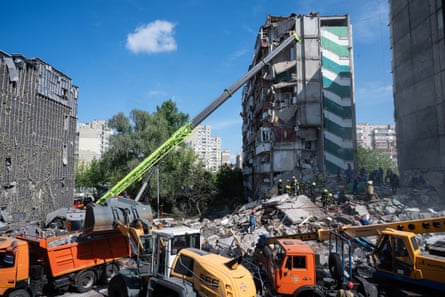
Civilian response to the ongoing attacks has evolved into a sophisticated routine born from months of similar bombardments. Air raid sirens have become a constant feature of daily life, with residents across Kyiv and other major cities maintaining awareness of shelter locations and safe zones. However, the cumulative psychological impact of sustained attacks continues to take its toll on the population, with mental health professionals noting increased anxiety, sleep disruption, and trauma-related symptoms among both adults and children exposed to the violence.
International observers and military analysts have closely monitored the Russian approach to understand potential shifts in overall strategy. The emphasis on sustained large-scale strikes rather than focused military campaigns suggests Moscow may be attempting to force Ukrainian concessions through attrition and civilian hardship rather than achieving specific battlefield objectives. This approach, however, has not deterred Ukrainian resolve or international support for the country's defense efforts.
The impact on critical infrastructure extends beyond the immediate damage to buildings and installations. The cascading effects of repeated strikes on power systems, water treatment facilities, and medical infrastructure create secondary humanitarian crises that compound the direct consequences of military action. Hospitals struggling with limited power must depend on backup generators that fuel supplies may not sustain for extended periods, while water distribution systems face similar challenges in maintaining service to affected populations.
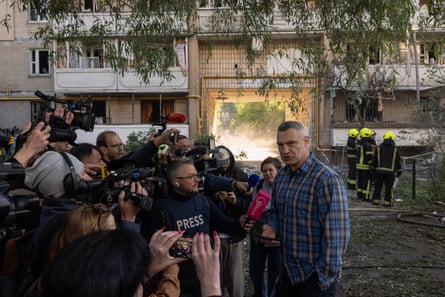
Western military assistance, particularly in the form of air defence systems and associated munitions, remains critical to Ukraine's ability to continue resisting these attacks. Countries providing support have accelerated delivery schedules and increased quantities of defensive systems being transferred to Ukrainian forces. However, the rate of consumption during sustained attacks like those observed over the past two days means that munitions depletion remains a pressing concern for Ukrainian military planners.
The coordination required to sustain attacks at this intensity across such geographic distances demonstrates the significant capabilities that Russia maintains despite months of intensive warfare. Command and control structures, missile production facilities, and drone manufacturing operations continue functioning at sufficient capacity to launch waves of attacks that number in the hundreds. This capacity, combined with Russia's apparent willingness to absorb significant costs and casualties in pursuing this strategy, suggests such attacks may continue as a primary feature of the conflict.
Looking ahead, military experts anticipate continued periods of intense bombardment interspersed with calmer phases, creating an unpredictable operational environment that demands constant vigilance from Ukrainian forces and the civilian population alike. The effectiveness of these attacks in degrading Ukrainian capabilities versus their cost in resources and international standing remains a subject of intense debate among analysts assessing the trajectory of the conflict.
As the second day of attacks continues, the resilience of Ukrainian civilian and military response remains evident despite the obvious hardship and danger. Medical personnel work tirelessly to treat casualties, rescue workers coordinate search and recovery operations, and military personnel continue their vigilant defense against ongoing threats. The broader international community continues monitoring developments closely while maintaining commitment to supporting Ukraine's resistance and eventual recovery from this devastating conflict.
Source: The Guardian


