
Ukraine Strikes Back: 600 Drones Hit Russia

Ukraine launches massive retaliatory attack with 600 drones across 14 Russian regions and Moscow. At least 4 killed as tensions escalate.
In a significant escalation of the ongoing conflict, Ukraine has launched a large-scale retaliatory strike against Russian territory, deploying an unprecedented wave of unmanned aerial vehicles across multiple regions. The coordinated drone assault, which unfolded overnight and struck targets spanning 14 Russian regions alongside the Crimean peninsula and both the Black and Azov seas, represents one of the most extensive aerial operations conducted by Ukrainian forces since the beginning of the military conflict. Russian defense officials confirmed that the attack resulted in at least four confirmed deaths, with Moscow and its surrounding areas experiencing particularly heavy bombardment.
The retaliatory drone strike campaign comes as a direct response to Moscow's sustained three-day assault on Ukrainian civilian and military infrastructure conducted the previous week. Ukrainian military planners coordinated what officials describe as a precisely targeted operation, with the almost 600 unmanned aerial vehicles representing a substantial commitment of resources and capability. The Russian defense ministry acknowledged the scope and scale of the attack in an official statement released on Sunday morning, providing details of the geographic distribution and intensity of the drone strikes across the vast expanse of Russian territory.
Moscow and the surrounding metropolitan region bore the brunt of the overnight assault, with multiple reports indicating widespread impacts on infrastructure in the capital's vicinity. The Ukraine retaliatory operation targeted installations across a geographically dispersed area, demonstrating the extended reach of Ukrainian drone technology and operational planning. Defense infrastructure, military installations, and logistical facilities in the 14 affected Russian regions reportedly sustained varying degrees of damage from the coordinated aerial assault. The scale of the operation underscores the growing sophistication of Ukrainian military capabilities and the strategic calculation behind the timing and scope of the response.
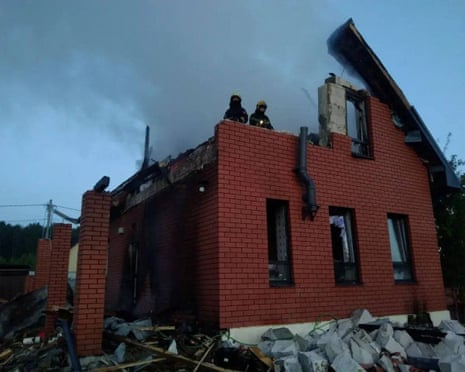
The confirmed casualty figures, while still being assessed by Russian authorities, include at least four individuals killed in the strikes. Emergency response teams and civil defense personnel mobilized across the affected regions to manage the aftermath of the attack and assess the full extent of damage to civilian and military infrastructure. The 600 Ukrainian drones employed in the operation represented a massive deployment of unmanned systems, reflecting the intensity and strategic importance Ukraine's military leadership assigned to this particular retaliatory measure. Russian officials have pledged to provide additional casualty and damage assessments as investigation and cleanup efforts continue in the impacted areas.
The geographical scope of the drone attack across Russian regions encompassed areas ranging from the western periphery near Ukraine to more distant locations, demonstrating the extended operational reach that Ukrainian forces have developed. The inclusion of strikes on the Crimean peninsula, a strategically significant territory annexed by Russia in 2014, adds particular weight to the operational significance of the assault. Maritime targets in both the Black Sea and Azov Sea regions also fell within the scope of the Ukrainian strike campaign, suggesting a comprehensive approach to degrading Russian military capability across multiple domains of warfare.
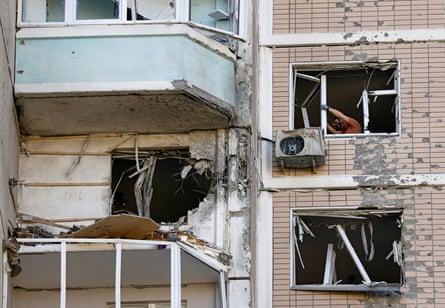
This retaliatory operation represents a critical inflection point in the escalating cycle of attacks and counter-attacks that has characterized the conflict in recent months. The Ukraine-Russia military escalation has progressively involved larger-scale operations, longer-range weapons systems, and more sophisticated targeting strategies on both sides. Ukrainian military officials have indicated that such operations will continue in response to Russian aggression, signaling a commitment to matching Moscow's offensive capabilities with increasingly ambitious retaliatory strikes. The deployment of almost 600 drones in a single coordinated operation pushes the boundaries of what had previously been considered possible in terms of unmanned aerial vehicle deployment on this scale.
Russian air defense systems engaged the incoming drone swarms throughout the night, with mixed results in terms of interception rates. The Russian air defense response to the Ukrainian assault involved multiple layers of defensive systems, though the sheer volume of incoming targets presented significant challenges to defensive capabilities. Defense ministry officials indicated that air defense forces claimed to have intercepted a substantial portion of the drones, though the acknowledgment of at least four deaths and confirmed impacts suggests that a notable percentage of the attacking drones successfully reached their intended targets or detonated in proximity to critical infrastructure.
The strategic implications of this operation extend beyond the immediate tactical impacts to encompass broader questions about the trajectory of the conflict and the capabilities each side continues to develop. Ukraine's ability to mount an operation of this scale demonstrates sustained access to drone manufacturing capacity, intelligence regarding Russian target locations, and sophisticated command-and-control systems capable of coordinating hundreds of airborne assets simultaneously. Such capabilities would have been difficult to imagine at the outset of the conflict, yet they represent the culmination of rapid technological advancement, learning from operational experience, and international support for Ukrainian military modernization.
The timing of the retaliatory strike, occurring in the immediate aftermath of Moscow's three-day assault on Ukrainian targets, reflects the accelerating pace of the conflict and the shortened reaction times between provocative actions and counter-responses. Both sides have demonstrated increasing willingness to engage in sustained large-scale operations that inflict civilian casualties and damage to infrastructure, representing a troubling escalation in the intensity and scope of the military campaign. The military escalation between Ukraine and Russia shows no signs of abating, with each side responding to the other's actions with progressively larger and more ambitious operations designed to inflict maximum strategic and psychological impact.
International observers and military analysts continue to monitor the developing situation closely, recognizing the potential for further escalation if the current trajectory persists. The ongoing conflict between Ukraine and Russia has already resulted in hundreds of thousands of casualties and displaced millions of civilians across the region. Each new round of large-scale operations like this drone strike campaign raises questions about the sustainability of current military operations and the humanitarian toll of sustained warfare at this intensity and scale.
As both sides assess the consequences of the latest round of strikes and prepare for potential future operations, the international community watches with growing concern about the broader implications for regional stability and the potential for further escalation. The retaliatory nature of Ukraine's operation underscores the cycle of action and reaction that has become the defining characteristic of this conflict. With Russian authorities still conducting damage assessments and casualty investigations, the full scope and strategic impact of Ukraine's operation may take several days to become completely clear, but the scale and ambition of the attack have already established it as one of the most significant drone operations of the entire conflict to date.
Source: The Guardian


