
Ukraine Strikes Back: Massive Drone Attack on Russian Oil Infrastructure

Ukraine launches large-scale drone offensive against Russian regions and Ryazan refinery after three days of devastating missile strikes killed 24 in Kyiv.
In a significant escalation of military operations, Ukraine has launched a comprehensive long-range drone attack targeting multiple Russian regions, including the strategically important Ryazan oil refinery. This coordinated strike represents a decisive response to an intense three-day bombardment campaign conducted by Russian forces against Ukrainian territory.
The timing of Friday's Ukrainian offensive comes directly after Moscow unleashed a series of devastating drone and missile attacks on Ukraine that lasted 72 hours. The Russian campaign focused heavily on populated civilian areas, with particular attention paid to the capital city of Kyiv. The scale and intensity of these preliminary strikes underscored the ongoing military tensions and the vulnerability of Ukrainian civilian infrastructure to aerial assault.
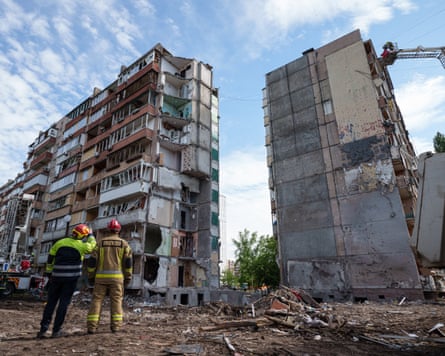
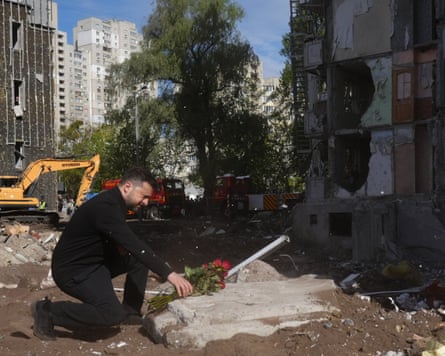
On Thursday, the situation reached a tragic crescendo when a cruise missile struck a residential apartment building in central Kyiv, resulting in significant loss of life. The attack claimed 24 civilian casualties, including at least three children who were among those killed in the strike. This incident exemplified the indiscriminate nature of Russia's aerial campaign and highlighted the continued risks faced by ordinary citizens in Ukraine's major metropolitan areas.
The apartment block attack in Kyiv served as a clear trigger for Ukraine's retaliatory response. Military planners in Kyiv determined that a coordinated drone offensive was necessary to degrade Russian military capabilities and demonstrate Ukraine's ability to strike back at critical infrastructure targets within Russian territory. The decision to target the Ryazan oil refinery reflected strategic thinking aimed at disrupting Russia's energy production capacity.
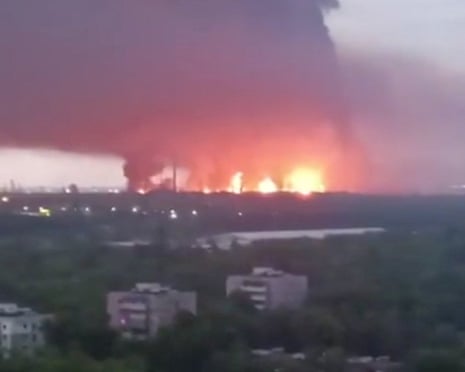
The Ryazan oil refinery represents one of Russia's most important petroleum processing facilities, contributing significantly to the country's domestic energy supply and export capabilities. A successful strike against this installation would have wide-ranging implications for Russian energy security and economic stability. The selection of this target indicated that Ukrainian military leadership was pursuing a strategy of economic attrition alongside conventional military operations.
Long-range drone technology has emerged as a critical component of Ukraine's asymmetrical military strategy against Russia's larger conventional forces. Over the course of the conflict, Ukraine has demonstrated considerable ingenuity in developing and deploying unmanned aerial systems capable of striking targets deep within Russian territory. These technological innovations have allowed Ukrainian forces to project power far beyond their immediate borders.
The three-day Russian bombardment preceding Ukraine's response demonstrated the continued intensity of aerial warfare in the conflict. Russian forces employed various weapons systems including cruise missiles and attack drones to target multiple objectives across Ukrainian territory. The concentration of these attacks on Kyiv and other major cities suggested an attempt to maximize civilian casualties and psychological impact alongside military objectives.
Ukrainian civil defense systems worked overtime during the Russian onslaught, attempting to intercept incoming missiles and minimize casualties. Air raid sirens sounded repeatedly throughout major population centers as residents sought shelter in subway stations, basements, and designated bunkers. The frequency of these alerts reflected the relentless pace of Russian attacks throughout the three-day campaign.
The cycle of attack and counterattack has become a defining characteristic of the contemporary phase of the Ukraine-Russia conflict. Each side responds to strikes from the opposing force with escalatory measures of their own, creating a dangerous spiral of military escalation. The pattern observed in these recent operations mirrors similar exchanges that have occurred repeatedly throughout the conflict's duration.
Civilian impact remains a central concern amid these military exchanges. The death toll from the Thursday apartment building strike in Kyiv underscores the humanitarian cost of aerial warfare conducted in urban environments. Families were displaced, homes destroyed, and communities traumatized by the violence. Ukrainian authorities worked to provide emergency assistance to survivors and coordinate rescue and recovery operations.
The strategic implications of Ukraine's drone strikes extend beyond immediate military calculations. By demonstrating the ability to strike Russian territory and critical infrastructure, Ukrainian forces send an important message regarding their operational capabilities and determination to resist. This psychological dimension complements the material damage inflicted on targeted facilities.
International observers have closely monitored the escalating exchanges between Ukrainian and Russian forces. The apparent acceleration in the intensity and scope of military operations raises concerns about potential further escalation. Military analysts point to the growing sophistication of Ukrainian drone capabilities and Russia's continued investment in long-range strike systems as indicators that this phase of conflict may involve increasingly destructive exchanges.
Russia's three-day campaign appeared designed to test Ukrainian air defenses and inflict maximum disruption on civilian life and infrastructure. By concentrating attacks on major urban centers, Russian planners likely aimed to create humanitarian crises and strain Ukrainian emergency response capabilities. The civilian casualties resulting from these strikes provided additional propaganda material for both sides of the conflict.
Ukraine's retaliatory drone attack demonstrated that despite facing a numerically superior adversary with greater conventional military resources, Ukrainian forces retain the capability to project power into Russian territory. The ability to strike the Ryazan refinery and other Russian regional targets represents a significant military and psychological achievement for Ukrainian commanders.
The continued cycle of strikes and counterstrikes underscores the intractable nature of the current conflict phase. Neither side appears willing to accept a negotiated settlement, and military operations continue to intensify despite enormous human and material costs. The targeting of civilian areas and critical infrastructure by both belligerents raises serious humanitarian concerns and international law questions regarding proportionality and distinction in warfare.
Looking forward, military strategists anticipate that drone warfare and precision strikes will continue to feature prominently in both Russian and Ukrainian military operations. The relative accessibility of drone technology, combined with the difficulty of defending against aerial attacks, suggests that these tactics will remain central to military planning on both sides. The development and deployment of countermeasures will likely spur further technological innovation in this domain.
The humanitarian dimension of this conflict continues to demand international attention and support for affected civilian populations. Organizations providing emergency medical care, shelter, and humanitarian assistance face overwhelming demands across Ukraine. The destruction of residential infrastructure and the continued targeting of civilian areas create ongoing displacement and hardship for millions of Ukrainian citizens.
Ukraine's capacity to sustain both defensive operations against incoming Russian strikes and offensive operations against Russian targets will depend on continued access to military support from international allies. Western nations have provided substantial military aid including air defense systems and support for drone development, enabling Ukraine to conduct operations like the Ryazan refinery attack.
The pattern of escalating military exchanges suggests that the conflict may enter a more destructive phase in the coming weeks and months. The willingness of both sides to target civilian infrastructure and population centers indicates that humanitarian concerns are subordinate to military objectives in current strategic calculations. International diplomatic efforts to negotiate a ceasefire or settlement face mounting challenges amid the intensifying military operations.


