
Ukraine Strikes Russian Oil Fleet as 10 Die in Fresh Attacks

Russian strikes kill 10 civilians across Ukraine while Kyiv reports successful drone attacks on Moscow's shadow fleet tankers and terminal facilities.
The ongoing conflict between Russia and Ukraine has escalated with fresh military operations on both sides, resulting in significant casualties and damage to critical infrastructure. Russian strikes have claimed at least 10 lives across various locations in Ukraine, marking another deadly round of attacks targeting civilian areas and infrastructure. Simultaneously, Ukraine's military has reported successful operations against what officials describe as Russia's shadow fleet, a network of aging tankers used to circumvent international sanctions imposed on Moscow's energy sector.
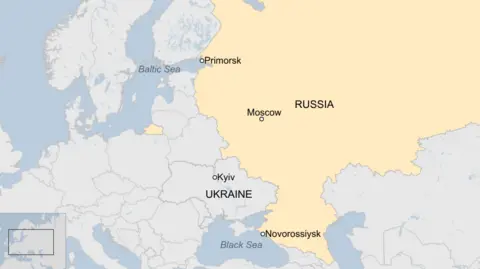
Ukrainian President Volodymyr Zelensky confirmed that his armed forces have targeted Russian oil tankers and a strategic petroleum terminal, striking at the heart of Russia's energy logistics network. The drone attacks represent a significant escalation in Ukraine's strategy to degrade Russia's ability to generate revenue and maintain its war effort. These operations underscore Ukraine's determination to strike back at Russian economic assets, even as civilian infrastructure continues to bear the brunt of Moscow's aerial bombardment campaign.
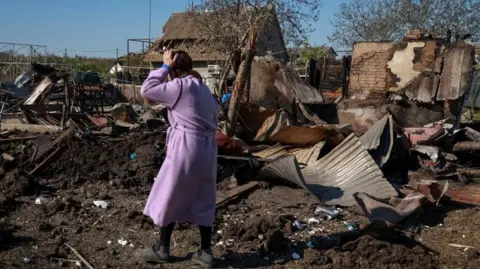
The casualties reported from Russian strikes occurred in multiple Ukrainian cities and towns, with emergency services working to rescue survivors from damaged buildings and coordinate medical responses. Local authorities have not yet released comprehensive details about the specific locations and nature of the Russian attacks, though reports indicate widespread damage to residential and commercial areas. The loss of civilian life continues to be a defining characteristic of the conflict, with each new round of strikes adding to the mounting humanitarian toll on the Ukrainian population.
The shadow fleet has become an increasingly important focus for Ukrainian military strategy and Western policy makers tracking sanctions evasion. These vessels, many of which are decades old and operate under flags of convenience, have allowed Russia to maintain significant oil exports despite international restrictions. The tankers operate through complex shipping networks that deliberately obscure their origins and destinations, making them difficult to track and target. Ukraine's recent attacks on these assets represent a direct challenge to Russia's ability to finance its military operations through energy sales.
Russia's petroleum terminal, which serves as a crucial node in the country's energy export infrastructure, has become an increasingly vulnerable target for Ukrainian forces. These terminals are essential for loading crude oil and refined products onto vessels bound for international markets, making them strategically significant to Russia's economy. The disruption of even a single terminal can have cascading effects on Russia's ability to export energy products and generate crucial foreign exchange revenues. Ukraine has made multiple attempts to damage or destroy these facilities in recent months, recognizing their critical importance to sustaining the Russian war effort.
The timing of Ukraine's drone operations comes amid continued Russian pressure on multiple fronts, with Moscow maintaining an intensive aerial campaign against Ukrainian cities and military positions. This pattern of tit-for-tat escalation has characterized much of the conflict, with both sides seeking to inflict maximum damage on the opponent's military and economic capacity. The ability of Ukrainian forces to conduct long-range strikes against Russian targets hundreds of kilometers away demonstrates the technological sophistication of their drone programs and the training of their operators.
International observers have noted that Ukraine's attacks on the Russian shadow fleet represent a significant shift in tactics, moving beyond traditional military targets to directly strike economic infrastructure. This strategy aims to increase the costs of Russia's continued war effort and pressure Moscow into negotiations by degrading its economic performance. The targeting of energy assets reflects a broader understanding among Ukrainian strategists that Russia's ability to sustain military operations depends heavily on revenues from oil and gas exports. By systematically attacking these assets, Ukraine seeks to undermine Russia's financial capacity to continue the war.
The Russian shadow fleet has come under increased scrutiny from international maritime authorities and intelligence agencies tracking sanctions violations. These vessels often operate with minimal transparency, frequently changing names, flags, and routes to avoid detection and targeting. The advanced age of many ships in the fleet has raised concerns about environmental risks, including the potential for catastrophic spills if damaged vessels sink or suffer hull breaches. Ukraine's attacks on these tankers therefore carry both military and environmental dimensions, with potential consequences extending beyond the immediate combat zone.
Zelensky's confirmation of the oil terminal strikes demonstrates Ukraine's commitment to maintaining an offensive posture despite the challenges of defending its territory against Russian attacks. The Ukrainian military has invested considerable resources in developing and deploying drone capabilities suitable for extended-range operations against distant targets. These technological achievements represent years of development and adaptation, reflecting Ukraine's determination to offset Russian advantages in conventional military power through innovation and technological superiority.
The civilian toll from the reported Russian strikes highlights the ongoing human cost of the conflict, with families displaced, infrastructure destroyed, and communities devastated by the violence. Emergency response teams across Ukraine continue to work around the clock to rescue survivors from collapsed buildings and provide medical assistance to the wounded. The psychological impact on the civilian population of continued bombardment and the threat of sudden, indiscriminate attacks cannot be overstated, as residents live in constant fear of incoming strikes.
Analysts tracking the conflict suggest that Ukraine's ability to strike back at Russian economic targets may provide important leverage in any future negotiations, as it demonstrates the capacity to impose costs on the Russian economy. The shadow fleet operations have particular significance because they represent attempts to maintain revenues essential to sustaining Russia's war effort. By degrading these capabilities, Ukraine sends a message that the continuation of the conflict will carry increasing economic penalties for Russia.
The escalating nature of the conflict, with each side targeting increasingly significant assets and infrastructure, raises concerns among international observers about the trajectory of the war. The willingness of both sides to conduct strikes deep in opponent territory suggests that neither nation is preparing for imminent peace talks or de-escalation. Instead, military commanders and political leaders appear focused on achieving maximum damage and degradation of opponent capabilities, suggesting the conflict may continue for a prolonged period without significant progress toward a negotiated settlement.
The reported attacks represent the latest chapter in an increasingly intense cycle of military operations spanning multiple months. Ukrainian military officials have steadily improved their ability to conduct precision strikes at considerable distances, utilizing intelligence gathering and targeting information to identify and strike high-value assets. These capabilities represent significant achievements for a nation defending against a much larger military power with greater resources and industrial capacity. The success of these operations demonstrates that technological innovation and tactical flexibility can partially compensate for disparities in raw military power and resources.
Source: BBC News


