
Ukrainian Commander Fired Over Starving Soldiers

Ukraine's defense ministry removes top commander after social media reveals emaciated frontline soldiers lacking food and water for months.
Ukraine's defence ministry has taken decisive action by dismissing a high-ranking military commander following the emergence of disturbing photographs depicting a group of severely malnourished soldiers positioned on the frontline. These soldiers have allegedly endured months of inadequate nutrition and insufficient access to clean water, raising serious concerns about the welfare and logistics support provided to combat personnel in active conflict zones.
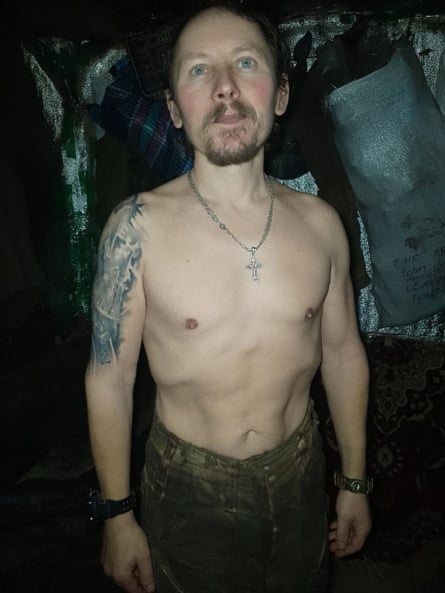
The scandal became public after Anastasiia Silchuk, the wife of one of the affected soldiers, shared the shocking images across social media platforms. The photographs reveal four men in a visibly deteriorated physical condition, with their skeletal frames, pale complexions, and prominently visible ribcages serving as stark evidence of severe malnutrition. Their thin arms and weakened appearance have sparked widespread outrage among the Ukrainian public and international observers monitoring the ongoing conflict.
The viral nature of these images prompted immediate governmental response and investigation into the circumstances surrounding the soldiers' treatment. Ukrainian military leadership recognized the severity of the situation and the public relations crisis it represented, leading to the decision to relieve the commander of his duties. This action signals a commitment to accountability within military ranks, though it also highlights potential systemic issues within the supply chain and command structure supporting frontline operations.

The incident underscores the broader challenges facing Ukraine's armed forces as they contend with prolonged military engagement and resource constraints. Soldier welfare and nutrition are critical factors in maintaining combat effectiveness, troop morale, and overall military readiness. When these basic needs go unmet, it not only compromises individual health but also undermines the operational capabilities of entire units and raises questions about command competency.
Anastasiia Silchuk's decision to publicize her husband's suffering and that of his comrades reflects the growing role of social media in bringing attention to military issues that might otherwise remain hidden from public scrutiny. Her courage in exposing these conditions has demonstrated how civilian family members can serve as important accountability mechanisms, ensuring that military leadership remains responsive to the needs of soldiers under their command.
The food and water shortage on the frontline appears to have been a chronic problem rather than an isolated incident, suggesting deeper logistical failures within the military apparatus. Soldiers stationed in combat zones require consistent, adequate nutrition to maintain their physical and mental health, sustain their strength for demanding operations, and preserve their ability to make critical tactical decisions under pressure. The apparent neglect of these fundamental requirements raises disturbing questions about supply chain management, resource allocation, and command oversight in affected units.
Military command accountability has become increasingly important as the conflict continues and public awareness of soldier conditions grows. The decision to fire the commander serves as both a corrective measure and a warning to other military leaders that inadequate care for troops will not be tolerated. However, observers have noted that removing a single commander, while necessary, may not address the underlying systemic issues that allowed such conditions to persist unchecked.
The incident also raises important questions about the broader support systems in place for Ukrainian soldiers deployed across various frontline positions. Different units may experience vastly different supply situations depending on their location, accessibility, and the efficiency of their local supply chains. Understanding these variations is crucial for military planners attempting to standardize soldier welfare across the entire armed forces.
International humanitarian organizations and foreign military advisors assisting Ukraine have likely taken note of this situation and may increase their scrutiny of soldier welfare conditions across the conflict zone. Such oversight, while potentially complicated by the active military situation, serves an important function in ensuring that basic humanitarian standards are maintained even in wartime contexts. The eyes of the world are increasingly focused on how Ukraine treats its military personnel, and public confidence in military leadership depends partly on visible commitments to soldier welfare.
The social media exposure of these conditions has also sparked broader conversations within Ukrainian society about the costs of the ongoing conflict and the sacrifices demanded of young men serving in combat. Citizens have become more attuned to the realities of frontline service, leading to increased pressure on government officials and military commanders to prioritize troop support and ensure that soldiers receive the resources necessary to perform their duties effectively.
Looking forward, Ukraine's defence ministry will face the challenge of implementing systemic reforms to prevent similar situations from occurring in the future. This may require enhanced monitoring mechanisms, improved supply chain management, clearer accountability structures, and better communication channels between frontline soldiers and higher military authorities. The incident serves as a wake-up call that military logistics and soldier care cannot be secondary concerns in a prolonged conflict.
The firing of the commander represents an initial response to public outcry, but sustained improvement will require broader institutional changes and continued vigilance by both military leadership and the public. As the conflict continues, Ukraine must balance the demands of ongoing military operations with the fundamental responsibility to care for those risking their lives in defense of the nation. The soldiers who endured malnutrition and inadequate water supplies deserve not only immediate relief but also systemic changes that ensure such conditions never recur.
Source: The Guardian


