
UN Accuses Denmark of Ethnic Discrimination in Greenlandic Mother Case

UN warns Denmark over removal of Greenlandic mother's newborn after controversial parenting tests. Case raises serious concerns about ethnic discrimination and child welfare practices.
In a significant development regarding child welfare practices in Nordic countries, the United Nations has formally notified Denmark that its treatment of a Greenlandic mother whose newborn was forcibly removed may constitute ethnic discrimination. The case has drawn international attention and sparked broader conversations about cultural bias in social services systems across Europe.
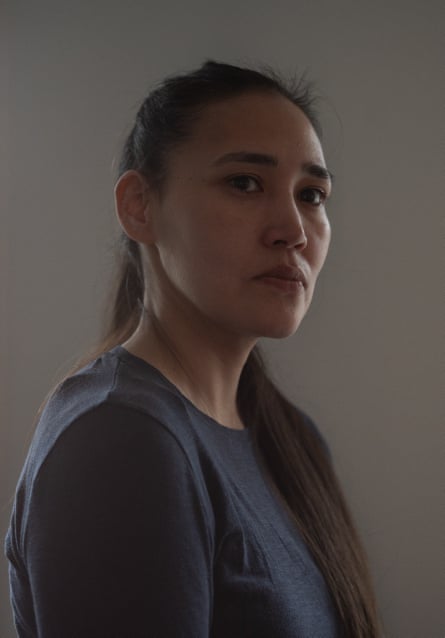
The matter centers on Keira Alexandra Kronvold, an Inuit woman from Greenland whose daughter, Zammi, was taken into custody just two hours after birth in November 2024. Danish authorities placed the infant in foster care following controversial parental competence assessments known as FKU (Familiebeskyttelsesudvalget) tests. At the time of the removal, Kronvold was informed that the evaluation would determine whether she was "civilised enough" to raise her child—language that has since become central to allegations of discriminatory treatment.
The UN's formal correspondence to the Danish government represents a pivotal moment in scrutinizing how child welfare systems function in developed nations, particularly regarding minority populations. The letter, shared exclusively with international media outlets, indicates that UN human rights experts have identified potential violations of international conventions protecting against discrimination based on ethnicity and national origin.
The FKU assessment system, which has now been banned following public outcry, was designed to evaluate parental capacity before or immediately after childbirth. However, the manner in which these tests were administered to Kronvold—combined with the predetermined nature of the outcome—has raised serious questions about whether systemic bias influenced the decision to remove her child.

The circumstances surrounding Zammi's removal have prompted broader investigations into how Denmark's child protection services have historically handled cases involving Greenlandic and other minority families. Kronvold's experience was not isolated; multiple similar cases have emerged, suggesting a pattern rather than an isolated incident. The timing of the removal—mere hours after birth—stands out as particularly concerning to international observers who specialize in family law and child welfare ethics.
Legal experts have pointed out that the use of culturally specific assessments without proper contextualization can inherently disadvantage families from different ethnic and cultural backgrounds. The FKU test, which emphasized Western-centric parenting models and expectations, may not have accounted for the distinct cultural practices, social structures, and family dynamics present in Greenlandic communities. This misalignment between the assessment framework and cultural reality raises fundamental questions about the fairness of child welfare evaluations.
Denmark's social services have long been regarded as exemplary by international standards, but this case has exposed potential vulnerabilities in how systems designed with good intentions can produce discriminatory outcomes when applied without sufficient cultural competency. The removal of Zammi from her mother, based on assessments that many now view as culturally inappropriate and biased, contradicts principles of family unity and child welfare best practices that prioritize keeping families together whenever safely possible.
The UN's intervention reflects growing international concern about how wealthy, developed nations handle minority populations within their territories. Greenland, an autonomous territory within the Kingdom of Denmark, has its own distinct culture, language, and traditions. The imposition of Danish standards and expectations on Greenlandic families without adequate consideration of cultural differences represents a form of what critics call "institutional colonialism."

The broader implications of this case extend to how human rights standards are applied in Scandinavian countries, which are often viewed as progressive leaders in social services. If Denmark's treatment of Kronvold constitutes ethnic discrimination, it suggests that even well-intentioned systems require constant evaluation and adjustment to ensure they serve all populations equitably. The UN's formal warning serves as a reminder that structural discrimination can persist in modern democracies through bureaucratic procedures and institutional practices that appear neutral on their surface.
Kronvold's case has mobilized advocacy groups, human rights organizations, and political figures both within Greenland and Denmark to demand systemic reform. The call for change includes not only the immediate reversal of the FKU ban (which already occurred) but also comprehensive reviews of how cultural competency is integrated into child welfare training, assessment protocols, and decision-making processes. Policymakers are now confronted with the necessity of redesigning systems that can serve diverse populations fairly.
The role of language in this case deserves particular attention. The phrase "civilised enough" used to describe the assessment revealed deeply problematic assumptions embedded in the evaluation process. Such language carries historical baggage, evoking colonial-era rhetoric used to justify the marginalization and forced assimilation of Indigenous and minority populations. The fact that these words were used in an official capacity within modern Denmark underscores how discriminatory frameworks can persist in contemporary institutions.
International law and conventions, including the UN Convention on the Rights of the Child and the International Convention on the Elimination of All Forms of Racial Discrimination, provide frameworks for addressing such cases. The UN's formal notification to Denmark signifies that experts believe this situation violated these international standards. Such findings can lead to recommendations for legislative changes, policy reforms, and compensation for affected families.
The path forward for Kronvold and her daughter remains uncertain, but the UN's formal intervention has elevated the case to an international level where it will receive sustained scrutiny. The outcome of this matter will likely influence how other Nordic nations and developed democracies evaluate their own child welfare practices and their treatment of minority populations. It also serves as a cautionary tale about how systems, regardless of their intention, require ongoing examination to prevent discrimination.
As the case continues to unfold, it represents a critical juncture in discussions about institutional ethnic discrimination, family rights, and the power dynamics between state authorities and vulnerable populations. The international community will be watching how Denmark responds to the UN's concerns and whether it implements meaningful reforms to prevent similar cases in the future.
Source: The Guardian


